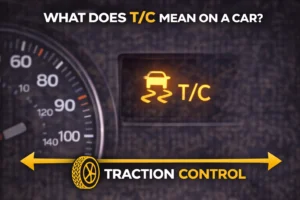
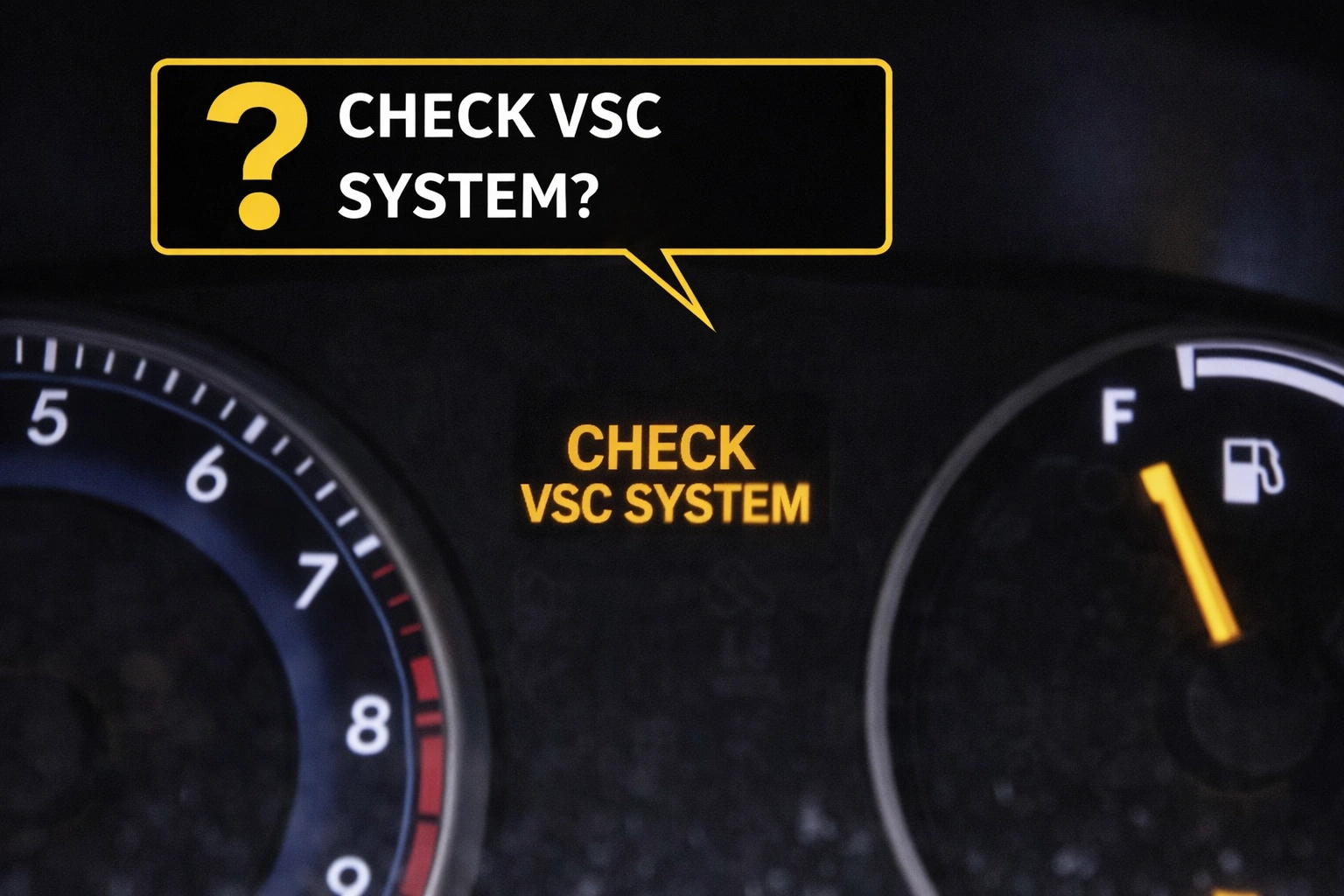
Modern vehicles are built with layers of electronic safety systems designed to assist drivers during sudden maneuvers or low-traction situations. One of those systems is Vehicle Stability Control, commonly referred to as VSC. When the dashboard displays a “Check VSC System” message, it usually appears alongside other warning lights such as traction control or the check engine light. That combination often creates confusion because the car may still feel normal while driving.
VSC works silently in the background. It monitors steering input, wheel speed, throttle position, and vehicle direction hundreds of times per second. When it detects that the vehicle is beginning to skid or deviate from the intended path, it intervenes by adjusting engine power or applying brake pressure to individual wheels. A warning message means the system is no longer operating as intended. While the issue is sometimes minor, ignoring it removes an important safety layer designed to maintain control in challenging conditions.
What The VSC System Does And Why It Is Important
How Vehicle Stability Control Monitors Movement And Corrects Skidding
Vehicle Stability Control compares driver input with actual vehicle behavior. Sensors track steering wheel angle, lateral acceleration, yaw rate, and individual wheel speed. If the vehicle begins to slide outward during a turn or loses traction on a wet surface, the system reacts immediately.
For example, if the front tires lose grip while turning, the system may reduce engine power and apply brake force to a specific wheel. This corrective action helps bring the vehicle back in line. Models such as the Toyota Camry and Toyota RAV4 rely heavily on this technology for everyday safety.
The driver may feel a slight vibration or hear a brief noise during intervention. That response indicates the system is actively maintaining stability. When the warning light appears, this assistance is no longer available.
Relationship Between VSC, Traction Control, And ABS
VSC does not operate alone. It works closely with the traction control system and anti-lock braking system. Traction control limits wheel spin during acceleration, while ABS prevents wheels from locking during braking. All three systems share data from wheel speed sensors and braking components.
If one system experiences a fault, the others may deactivate as well. For instance, a malfunctioning ABS sensor can disable traction control and VSC simultaneously. That is why multiple warning lights often appear together.
Vehicles such as the Lexus ES use integrated stability systems similar to Toyota models. The design ensures all related components communicate continuously. When one link in the chain fails, the vehicle alerts the driver immediately.
Most Common Causes Behind Check VSC System Warning
Engine Related Issues That Trigger Stability System Alerts
In many cases, the VSC warning does not originate from the stability system itself. Instead, it is triggered by an engine fault code. The vehicle’s control module may disable stability functions when it detects an engine performance issue.
A loose fuel cap, faulty oxygen sensor, or misfire can activate the check engine light. When this happens, the VSC system may also shut down as a precaution. This is common in vehicles such as the Toyota Corolla.
Once the engine issue is repaired and the code cleared, the VSC warning often disappears automatically. This highlights the importance of scanning diagnostic codes before replacing stability system components unnecessarily.
Wheel Speed Sensor Failure And Wiring Problems
Wheel speed sensors provide constant data about how fast each wheel is rotating. These sensors are critical for traction and stability calculations. If one sensor fails or produces inconsistent readings, the system cannot determine whether the vehicle is losing grip.
Road debris, corrosion, or damaged wiring can interrupt sensor signals. Even a small crack in the wiring harness may cause intermittent faults. When this occurs, the VSC warning light appears.
Replacing the defective sensor usually restores system functionality. However, proper testing should confirm the issue before parts are replaced. Electrical inspection often prevents misdiagnosis.
Steering Angle Sensor Calibration Issues
The steering angle sensor measures the exact position of the steering wheel. This information allows the system to compare intended direction with actual vehicle movement. If the sensor becomes misaligned or loses calibration, the stability system may register inaccurate data.
Battery disconnection, suspension repairs, or wheel alignment procedures can sometimes disturb sensor calibration. Recalibrating the steering angle sensor using diagnostic equipment often resolves the issue.
If recalibration fails, replacement may be necessary. Accurate steering input data is essential for proper VSC operation and vehicle stability.
Step By Step Diagnostic Approach For Accurate Repair
Retrieving Trouble Codes With Proper Equipment
The first and most important step in diagnosing a “Check VSC System” message is scanning for stored trouble codes. A professional grade diagnostic tool can access stability control modules and reveal specific error codes.
Generic code readers may only display engine codes, leaving stability system faults hidden. Once codes are retrieved, they provide a clear direction for inspection.
For example, a wheel speed sensor code identifies a specific wheel location. This narrows down troubleshooting quickly and prevents unnecessary part replacement.
Accurate code reading saves time and reduces repair costs.
Inspecting Sensors, Wiring, And Brake Components
After identifying codes, a thorough inspection of related components is necessary. Check wheel speed sensor connectors for corrosion or loose connections. Inspect wiring harnesses for visible damage or wear.
Brake system components should also be examined because ABS modules are closely connected to VSC operation. Low brake fluid or damaged tone rings may interfere with sensor readings.
Testing sensor voltage and resistance confirms whether components are functioning within specification. Proper inspection ensures the correct part is repaired or replaced.
Skipping this step may result in recurring warnings.
Can You Continue Driving With The Warning Active
When the “Check VSC System” message appears, the vehicle often remains operational. However, stability assistance is disabled until the issue is resolved. This means the vehicle will not automatically correct skidding or loss of traction.
In normal dry conditions, the difference may not be noticeable. During rain, snow, or sudden maneuvers, the absence of stability intervention increases risk.
Drivers should exercise caution and avoid aggressive steering or acceleration until repairs are completed. Prompt attention ensures full safety systems remain active.
Restoring proper function protects both driver and passengers during unexpected road conditions.
The “Check VSC System” warning indicates that the vehicle’s stability control system has detected a malfunction or related issue. Causes commonly include engine fault codes, wheel speed sensor failure, steering angle sensor calibration problems, or wiring damage.
Accurate diagnosis using proper scanning equipment ensures effective repair. While the vehicle may still operate, addressing the warning quickly restores full electronic stability support and maintains optimal safety performance.