Practical advice for everyday car ownership, written in simple language for real drivers.
Modern vehicles rely on electronic safety systems that help maintain control during acceleration and slippery road conditions. One of the most important of these systems is traction control. It monitors…
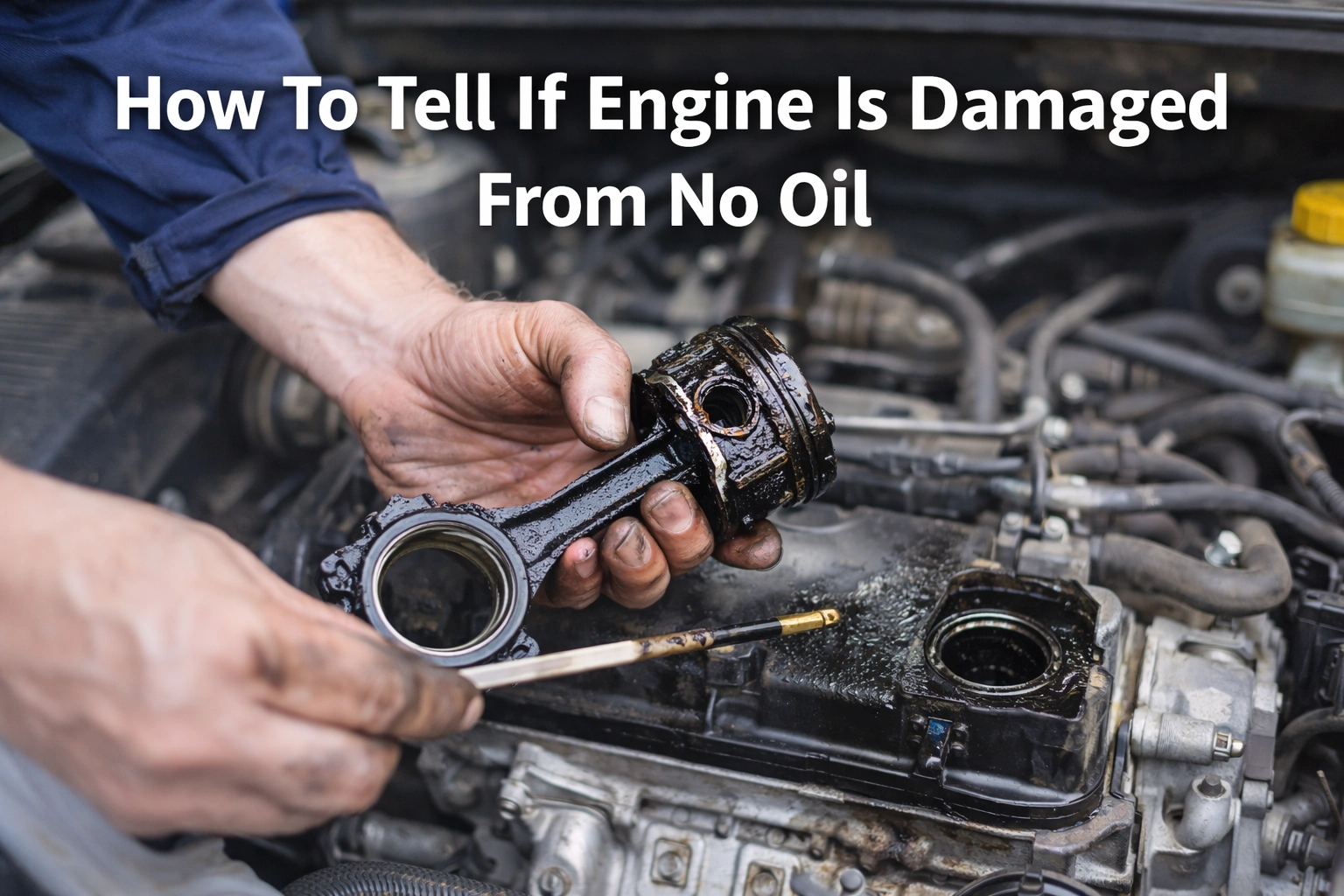
Engine oil is one of the most critical fluids inside any vehicle. It lubricates moving components, reduces friction, removes heat, and helps protect internal metal surfaces from wear. When oil…
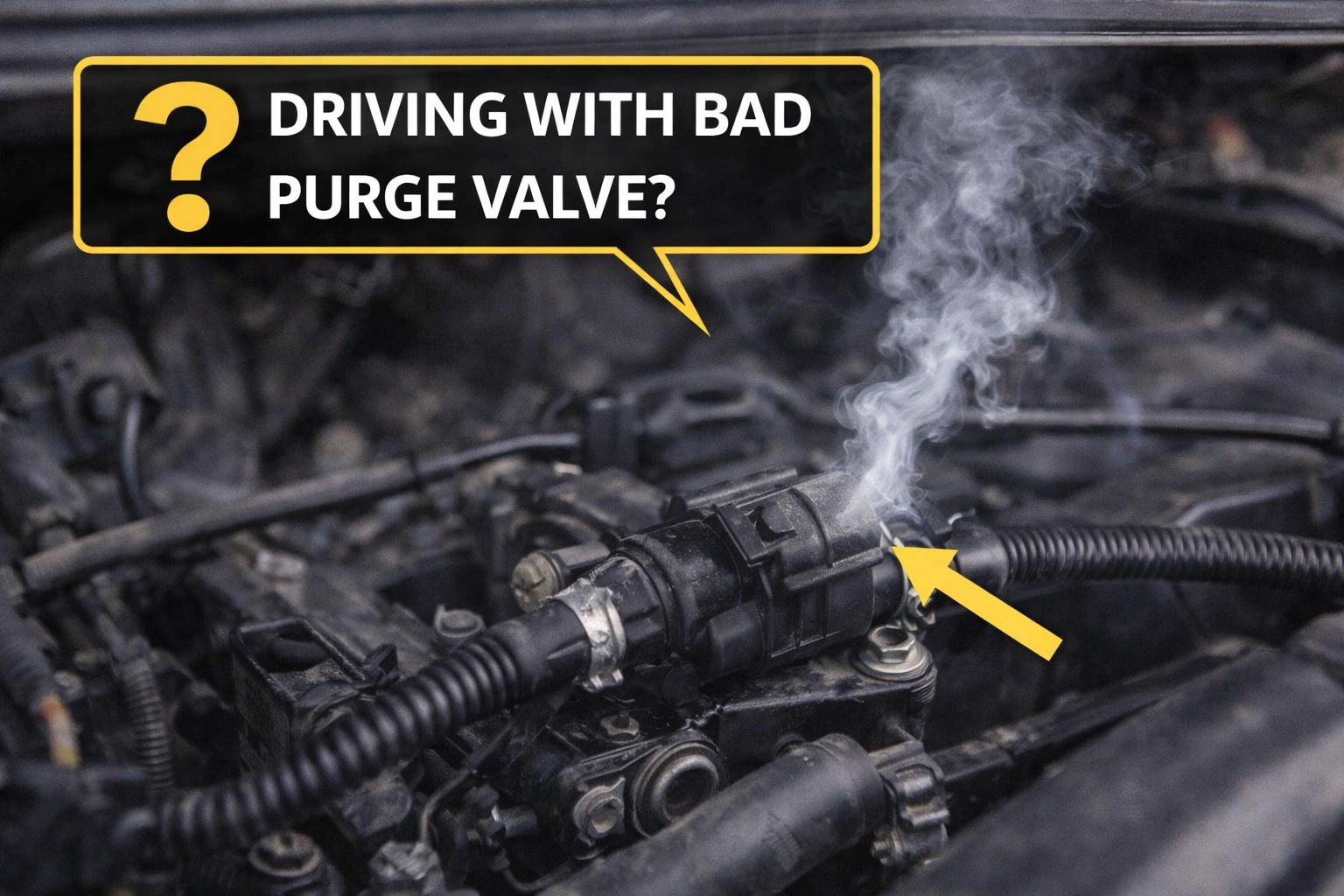
Modern vehicles rely on several emission control components that work quietly in the background to manage fuel vapors and reduce pollution. Among these parts is the purge valve, a small…
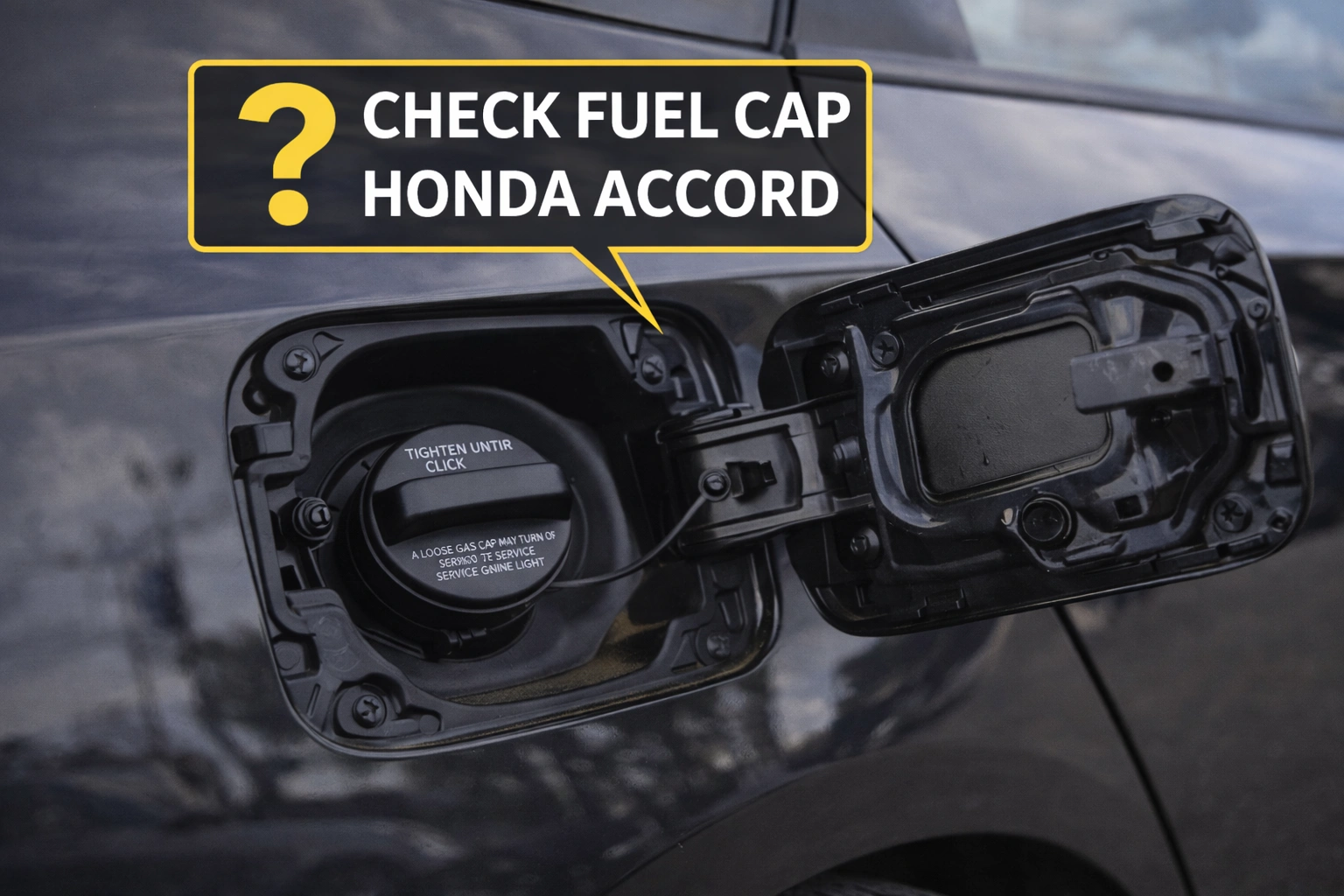
Modern vehicles rely on complex emission control systems to manage fuel vapors and reduce pollution. When a message such as “Check Fuel Cap” appears on the dashboard of a Honda…
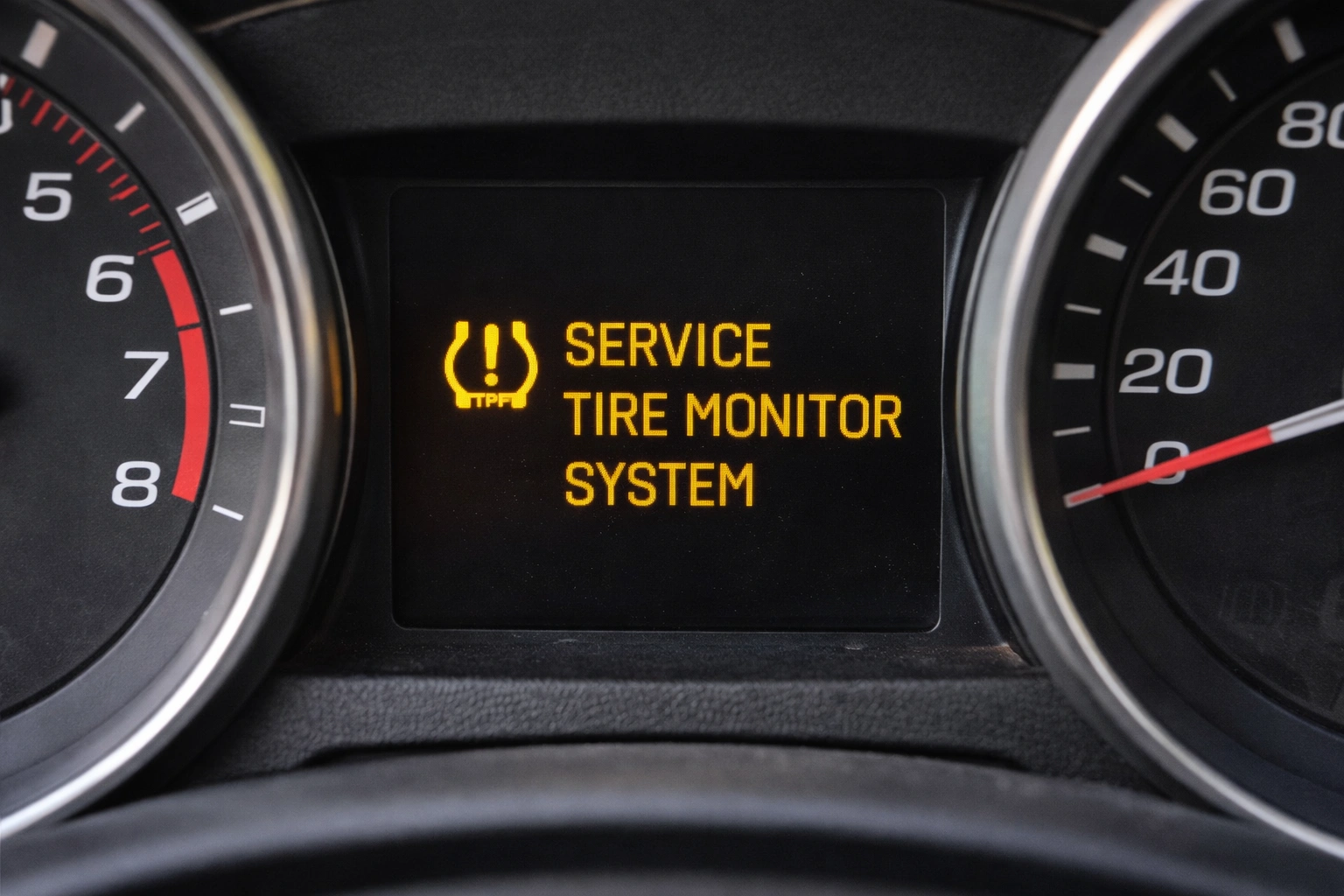
Modern vehicles rely on advanced safety systems to keep drivers informed about potential problems. One such feature is the Tire Pressure Monitoring System, commonly known as TPMS. When a dashboard…
Construction projects rely on powerful machines built to move earth, lift heavy materials, and shape landscapes. From towering cranes to compact loaders, each vehicle serves a specific purpose. These machines…
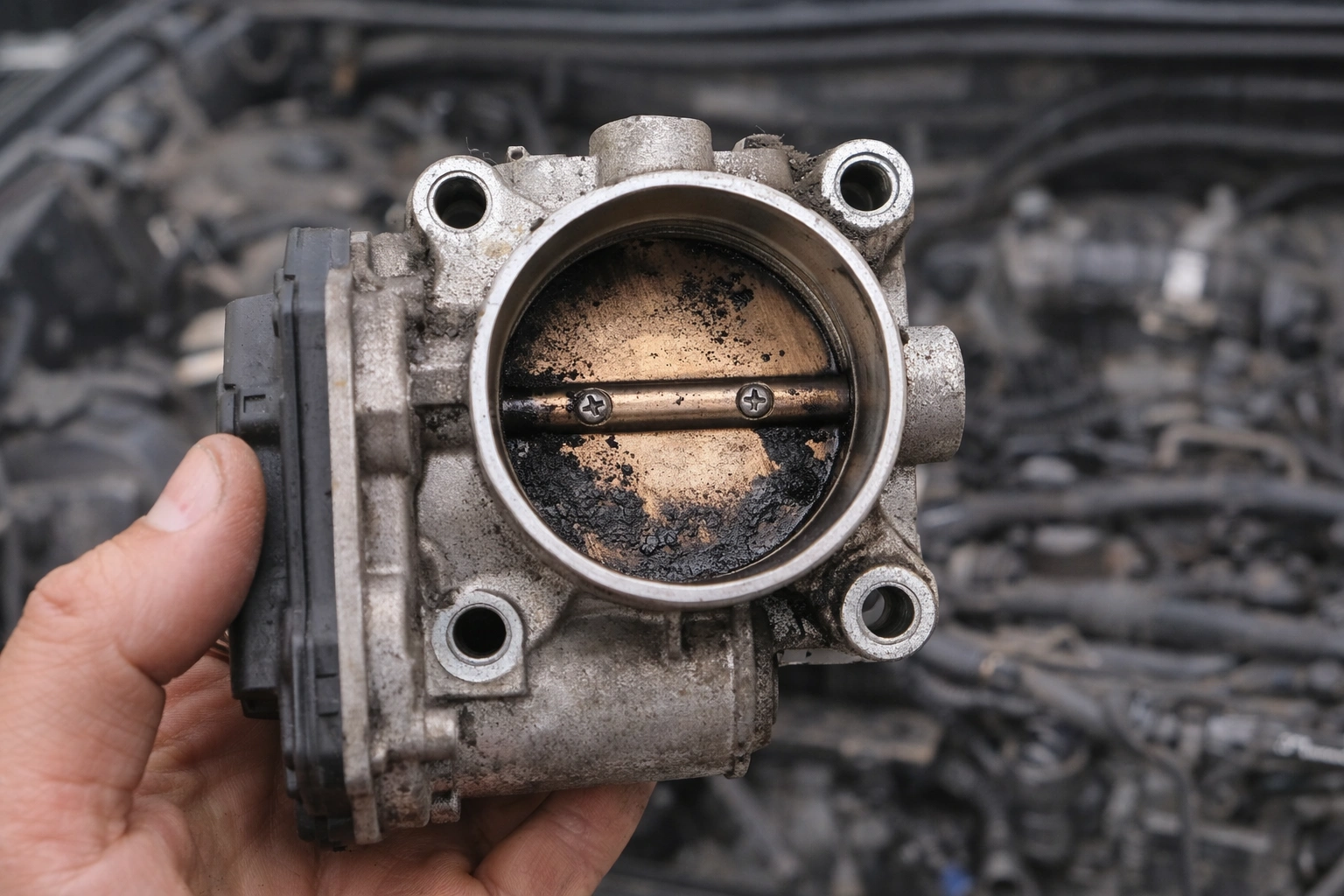
Modern engines depend on precise airflow control. One small component plays a central role in that process: the throttle body. It regulates how much air enters the engine when you…
Car dimensions influence everything from parking comfort to highway stability. Among those dimensions, width plays a bigger role than many drivers realize. It affects how easily a vehicle fits into…
Modern engines rely on precision. Every drop of fuel, every spark, and every burst of air is calculated by the vehicle’s computer to keep performance smooth and emissions low. At…
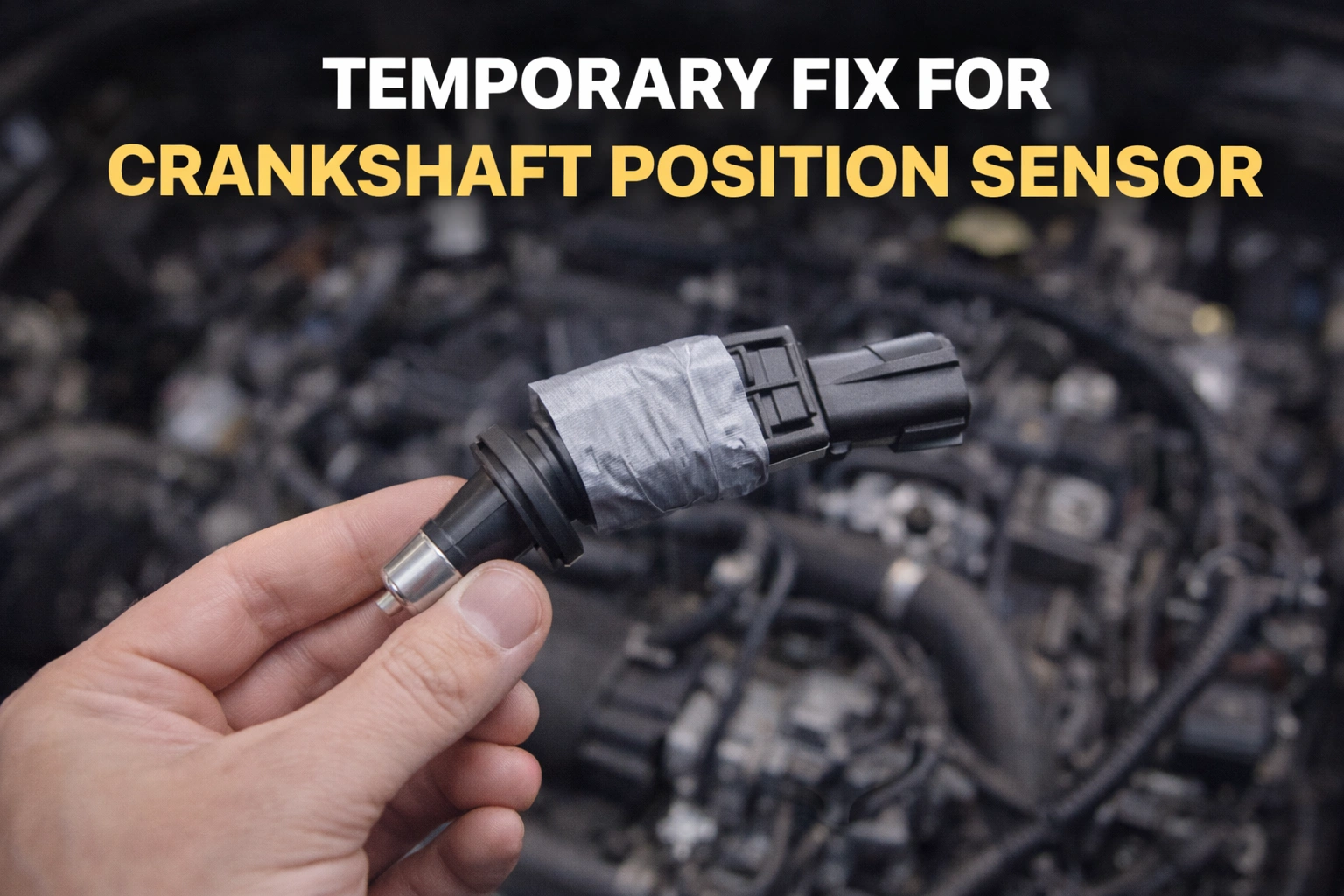
Modern engines rely heavily on sensors to operate with precision. Among the most critical is the crankshaft position sensor. This small component monitors the rotation and position of the crankshaft,…