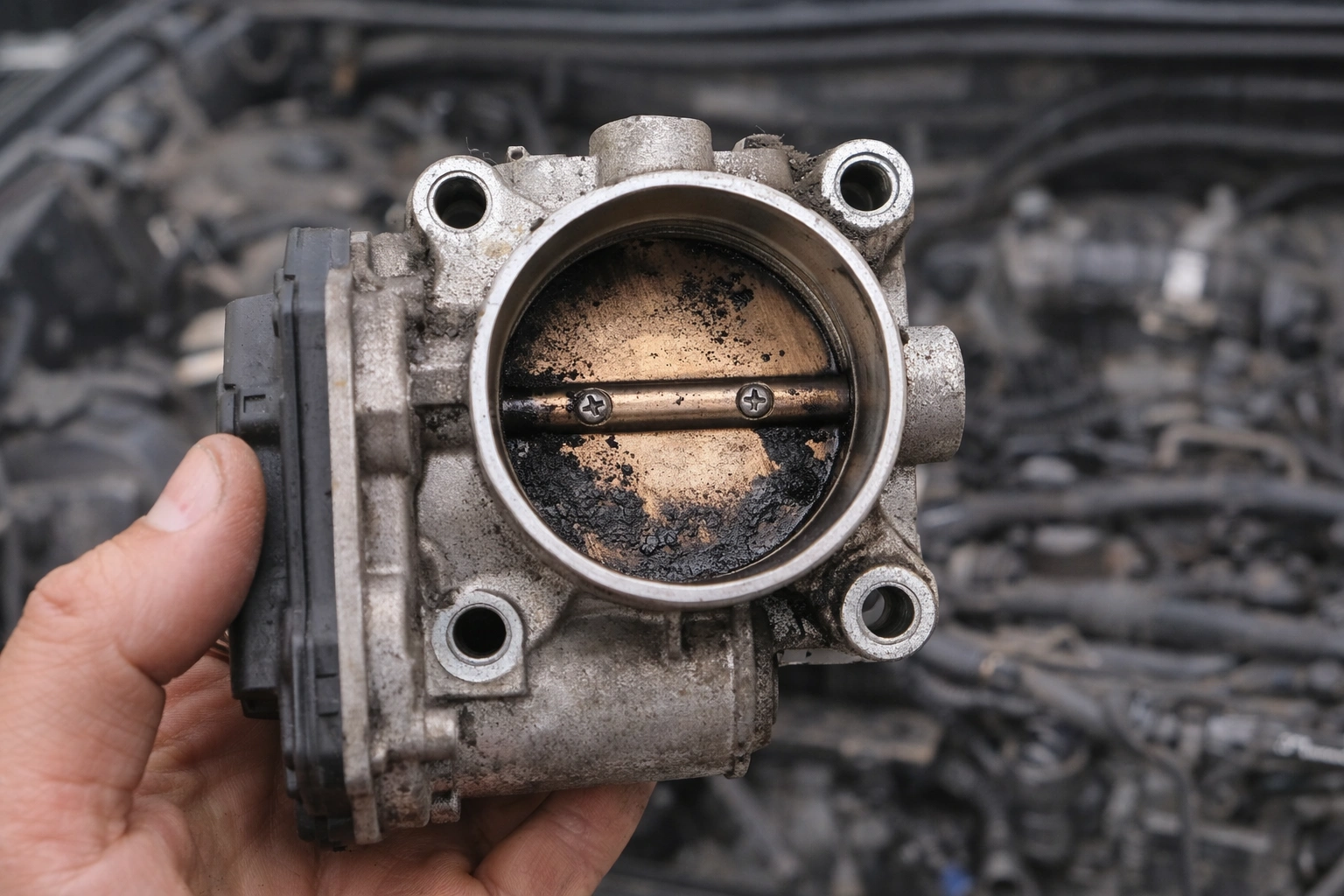
Modern engines depend on precise airflow control. One small component plays a central role in that process: the throttle body. It regulates how much air enters the engine when you press the accelerator. Over time, carbon deposits, oil vapors, and dirt can build up inside the throttle body housing. When that happens, airflow becomes restricted or uneven, and the engine may begin to behave differently.
A dirty throttle body does not always cause immediate failure. Instead, it often creates subtle changes that gradually become more noticeable. Rough idle, hesitation, stalling, or delayed throttle response are common warning signs.
These symptoms may resemble other issues such as vacuum leaks or sensor malfunctions, which makes proper inspection important. Cleaning the throttle body is usually straightforward and affordable, yet ignoring the problem can lead to increased fuel consumption and unnecessary strain on engine components.
What The Throttle Body Does And Why It Gets Dirty
Role Of The Throttle Body In Engine Operation
The throttle body sits between the air intake system and the intake manifold. Inside it is a butterfly valve that opens and closes based on accelerator input. When you press the pedal, the valve opens wider, allowing more air into the engine. The engine control module adjusts fuel delivery accordingly to maintain proper combustion.
In older vehicles, a physical cable connects the accelerator pedal to the throttle plate. Most modern vehicles use electronic throttle control. Sensors monitor pedal position and send signals to a motorized throttle body.
Vehicles such as the Toyota Camry and Honda Civic rely on electronic throttle systems for accurate airflow control. Even slight buildup around the throttle plate can disrupt idle stability and response.
Clean airflow ensures smooth acceleration and efficient combustion.
Causes Of Carbon And Dirt Buildup
Air entering the engine passes through a filter, but microscopic particles still find their way inside. Additionally, crankcase ventilation systems route oil vapors back into the intake system. These vapors mix with dust and create sticky deposits along the throttle plate and housing walls.
Short trips and frequent idling can accelerate buildup. Over time, residue thickens and restricts movement of the throttle plate.
Fuel quality and engine condition also influence deposit formation. Engines with worn piston rings may introduce additional oil vapor into the intake.
Routine cleaning prevents excessive accumulation and preserves consistent airflow.
Common Symptoms Of A Dirty Throttle Body
Rough Or Unstable Idle
One of the earliest signs of throttle body contamination is rough idle. The engine may shake slightly or fluctuate in rpm while stopped. This occurs because the throttle plate struggles to maintain precise airflow at low speeds.
When deposits narrow the opening around the plate, airflow becomes inconsistent. The engine control module attempts to compensate by adjusting fuel delivery, but idle may remain unstable.
Drivers may notice the engine nearly stalling at traffic lights or after cold starts.
Cleaning the throttle body often restores smooth idle quickly.
Hesitation And Delayed Acceleration
A dirty throttle body can cause delayed response when pressing the accelerator. The vehicle may hesitate briefly before gaining speed.
This hesitation happens because airflow does not increase smoothly when the throttle plate opens. Deposits can interfere with plate movement or disrupt airflow measurement.
In vehicles like the Ford F-150, hesitation may feel more noticeable during towing or heavy acceleration.
Prompt cleaning improves throttle response and reduces lag.
Additional Warning Signs To Watch
Stalling And Hard Starting
Severe buildup can lead to stalling, especially when the engine transitions from idle to acceleration. If the throttle plate cannot open correctly, airflow may not support stable combustion.
Hard starting can also occur if idle airflow is restricted during engine warm up. The engine may crank longer than usual before stabilizing.
These symptoms often resemble issues related to idle air control valves or vacuum leaks.
Inspection of the throttle body should be part of the diagnostic process.
Check Engine Light Activation
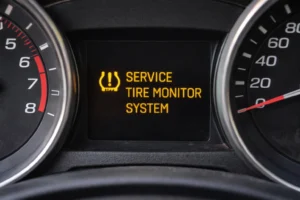
Modern vehicles monitor throttle position through sensors. If airflow readings fall outside expected parameters, the check engine light may illuminate.
Diagnostic codes related to throttle position or airflow imbalance may appear during scanning.
Cleaning the throttle body may clear these codes if buildup is the cause.
Ignoring warning lights can lead to reduced performance and increased fuel consumption.
How To Clean A Dirty Throttle Body
Begin by disconnecting the negative battery terminal for safety. Remove the air intake hose to access the throttle body.
Use a throttle body cleaner specifically designed for this purpose. Spray the cleaner onto a lint free cloth and gently wipe the inside housing and throttle plate.
Avoid forcing the throttle plate open aggressively, especially on electronic systems.
Reassemble components carefully and reconnect the battery. Allow the engine to idle briefly so the control module can recalibrate airflow.
Regular cleaning every 30,000 to 50,000 miles helps maintain performance.
Preventing Future Buildup
Replacing the air filter at recommended intervals reduces incoming dirt. Maintaining proper engine oil condition limits excessive vapor formation.
Using high quality fuel and keeping the engine tuned properly also minimizes deposit accumulation.
Routine inspection during maintenance services prevents severe buildup from developing.
Consistent care ensures smooth operation and stable throttle response.
A dirty throttle body can cause rough idle, hesitation, stalling, and warning lights. These symptoms often develop gradually but should not be ignored.
Cleaning the throttle body is a straightforward maintenance task that restores airflow accuracy and engine stability. With regular attention and proper care, this small component continues to support efficient and reliable engine operation.