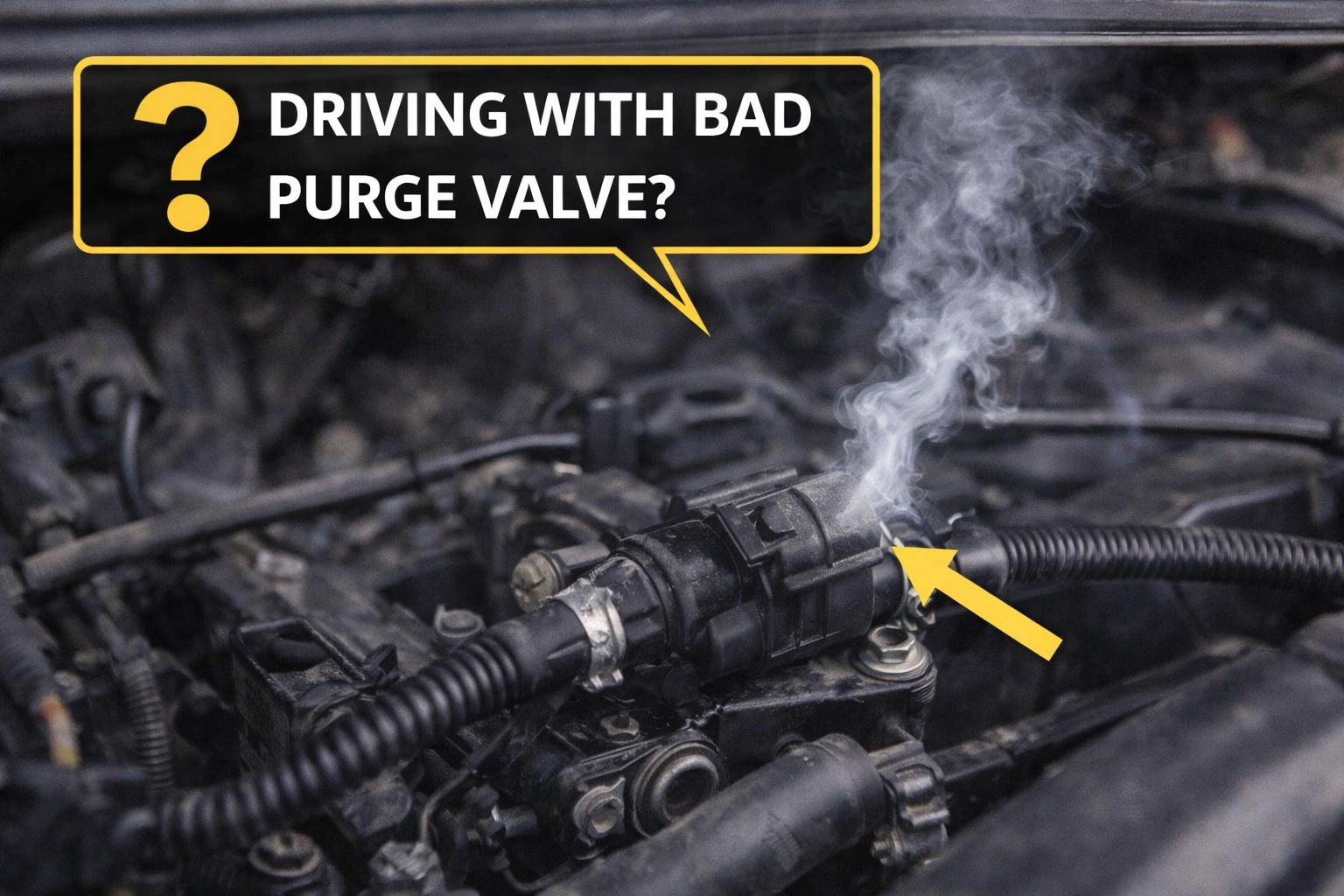
Modern vehicles rely on several emission control components that work quietly in the background to manage fuel vapors and reduce pollution. Among these parts is the purge valve, a small but essential device that regulates how fuel vapors move from the charcoal canister into the engine. Even though it is small, its role affects engine performance, fuel efficiency, and emission control systems.
When a purge valve fails or begins to malfunction, fuel vapors may flow incorrectly or remain trapped inside the evaporative emissions system. This imbalance can cause rough engine operation, starting problems, or warning lights on the dashboard. Some drivers continue using their vehicle while the purge valve is faulty, often assuming the issue is minor. However, a failing purge valve may lead to several mechanical and efficiency problems over time. Learning how the system works and recognizing symptoms early helps prevent unnecessary repairs and ensures the engine continues running smoothly.
Purpose Of The Purge Valve In The Evaporative Emissions System
Role Of The EVAP System In Modern Vehicles
Automotive emission systems are designed to prevent fuel vapors from escaping into the atmosphere. Gasoline naturally evaporates, especially in warm temperatures, producing hydrocarbon vapors. Instead of allowing these vapors to escape, vehicles capture them inside a charcoal canister.
The purge valve controls when these vapors are sent back into the engine for combustion. When the engine computer determines the conditions are right, it opens the purge valve and allows the stored vapors to mix with incoming air and fuel.
Vehicles such as the Toyota Camry and Honda Civic rely on this system to meet strict emission regulations. The system ensures that fuel vapors are recycled efficiently rather than wasted.
Without proper purge valve operation, vapor flow becomes unpredictable, which can disrupt engine air fuel balance.
How The Purge Valve Works With The Engine Computer
The purge valve operates under the control of the vehicle’s engine control module. Sensors measure engine temperature, throttle position, and airflow before allowing vapor flow into the intake manifold.
When the engine is warm and operating steadily, the computer opens the purge valve. Vacuum from the intake manifold pulls fuel vapors from the charcoal canister into the engine where they burn during combustion.
If the valve becomes stuck open or closed, vapor flow becomes uncontrolled. This can result in excess fuel vapor entering the engine or vapors remaining trapped in the canister.
Vehicles like the Ford Escape depend on precise electronic control to maintain efficient operation. Even a small malfunction in the purge valve can interfere with this balance.
Symptoms Of A Faulty Purge Valve
Rough Idle And Hard Starting Conditions
One of the most common symptoms of a malfunctioning purge valve is rough engine idle. When the valve sticks open, fuel vapors continuously enter the intake manifold. This disrupts the air fuel mixture, causing unstable engine speed.
Drivers may notice engine hesitation or shaking when the vehicle is idling at traffic lights. In some cases, the engine may stall shortly after starting.
Hard starting is another frequent symptom. When the purge valve leaks vapor into the intake while the engine is off, the mixture becomes overly rich during startup. This can make ignition more difficult.
Models such as the Chevrolet Malibu may show these symptoms when purge valve failure occurs.
Persistent rough idle often indicates that the EVAP system is allowing unregulated vapor flow.
Check Engine Light And Fuel Smell
The engine control module constantly monitors emission system operation. When the purge valve fails to operate within expected parameters, diagnostic trouble codes may trigger the check engine light.
Codes related to EVAP system flow or purge valve performance frequently appear during diagnostic scans. These codes help technicians identify whether the valve is stuck open, stuck closed, or experiencing electrical failure.
Another possible symptom is the smell of gasoline around the vehicle. Trapped vapors may escape through vents or leaks within the EVAP system.
Vehicles such as the Nissan Altima can display these warning signs when vapor pressure within the fuel system becomes unstable.
Ignoring these signals may allow the issue to worsen over time.
Risks Of Driving With A Bad Purge Valve
Reduced Fuel Efficiency And Performance Issues
When the purge valve fails, the engine may receive inconsistent amounts of fuel vapor. This imbalance affects combustion efficiency and may lead to increased fuel consumption.
Engines rely on precise air fuel ratios for optimal performance. Extra vapors entering the intake manifold can cause the mixture to become overly rich. This results in incomplete combustion and wasted fuel.
Drivers may notice sluggish acceleration or uneven throttle response. While the vehicle may still run, overall efficiency declines.
Vehicles like the Hyundai Sonata are engineered to maintain careful fuel control. A malfunctioning purge valve interferes with these systems and reduces operating efficiency.
Over time, this inefficiency contributes to higher fuel costs and additional strain on engine components.
Potential Damage To Other Emission Components
A faulty purge valve may also affect other parts of the EVAP system. Excess vapor pressure can stress hoses, seals, and the charcoal canister.
If the valve remains stuck closed, vapors accumulate inside the canister and fuel tank. Pressure buildup may eventually damage seals or cause vapor leaks.
In contrast, a valve stuck open allows constant vapor flow into the engine, which can contaminate intake components and sensors.
Vehicles such as the Jeep Grand Cherokee rely on integrated emission systems where each component works together. A malfunction in one part often spreads stress to other components.
Prompt repair prevents these secondary problems from developing.
Diagnosing And Fixing A Faulty Purge Valve
Basic Inspection And Testing Procedures
Diagnosing a purge valve issue typically begins with a visual inspection. Technicians examine vacuum hoses and electrical connectors for damage or loose connections.
Next, a scan tool reads diagnostic trouble codes stored in the engine control module. These codes provide clues about EVAP system performance.
Technicians may also perform a purge valve function test. By applying voltage to the valve, they can determine whether it opens and closes correctly.
In some cases, smoke testing is used to detect vapor leaks within the EVAP system.
Careful diagnostic steps ensure the correct component is replaced rather than guessing at the problem.
Replacement And Maintenance Considerations
Replacing a purge valve is usually straightforward and relatively affordable compared to major engine repairs. The valve is often mounted near the intake manifold or charcoal canister.
Once replaced, technicians clear diagnostic codes and verify proper system operation through test drives and system monitoring.
Regular maintenance helps prevent EVAP system issues. Avoid overfilling the fuel tank, as excess fuel can enter the vapor system and damage components.
Vehicles such as the Toyota RAV4 benefit from routine inspections that ensure emission components remain clean and functional.
Early repair restores proper vapor control and engine efficiency.
Driving with a bad purge valve may seem harmless at first, but the issue can gradually affect engine performance, fuel efficiency, and emission system reliability. Symptoms such as rough idle, starting difficulty, and warning lights often appear when vapor flow becomes uncontrolled.
Addressing purge valve problems promptly protects the engine and prevents additional EVAP system damage. Maintaining emission components ensures cleaner operation and keeps the vehicle performing as intended for many miles.