EVAP System Not Ready Meaning And Fix Guide
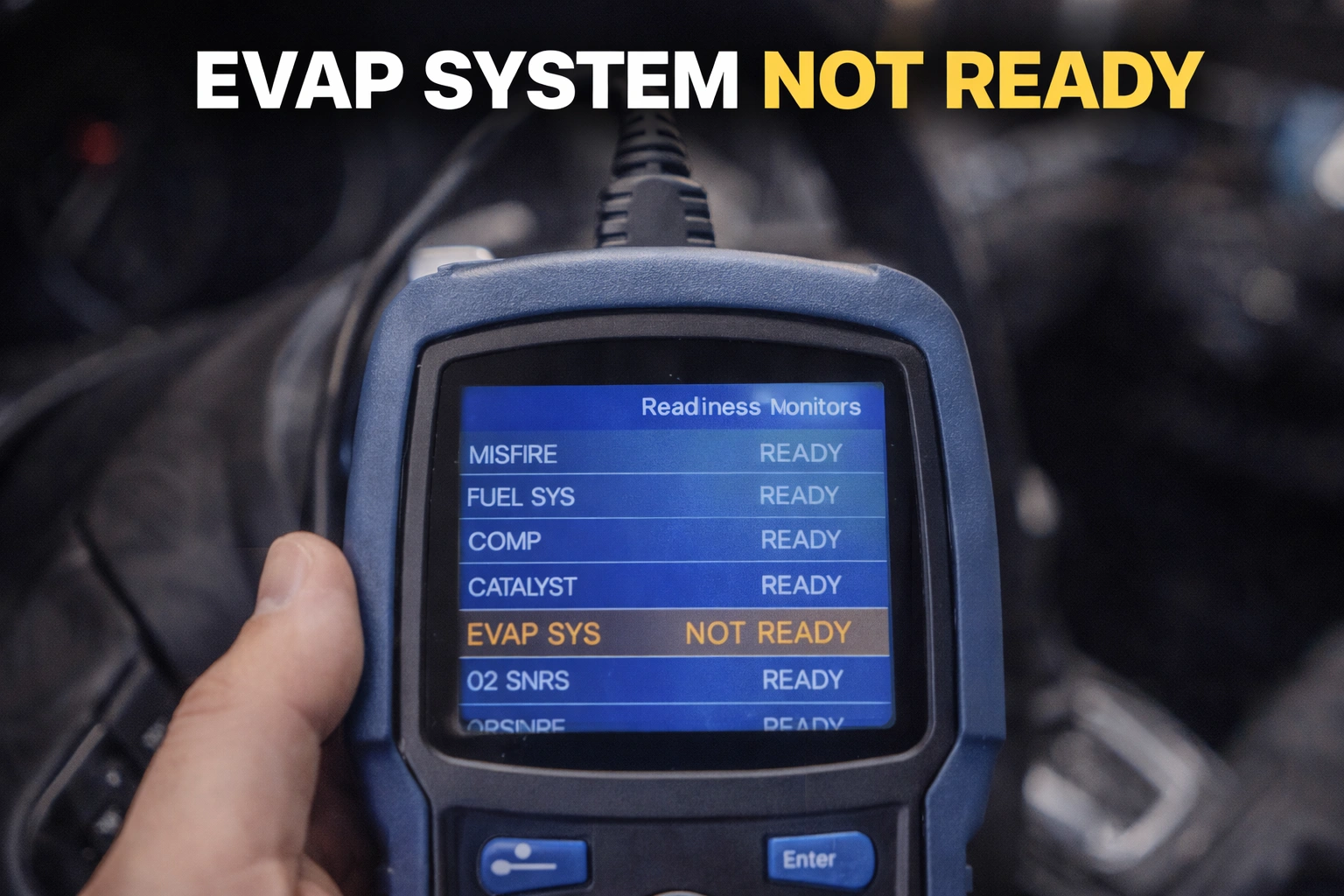
Modern vehicles are designed not only for performance and efficiency but also for strict emission control. Hidden beneath the hood and along the fuel system sits a network of components responsible for preventing fuel vapors from escaping into the atmosphere. This system, known as the evaporative emission control system, works quietly in the background. Most drivers never think about it until a scan tool displays the phrase “EVAP System Not Ready.”
That message often appears before emissions testing or after recent repairs. It does not necessarily mean something is broken. Instead, it indicates that the onboard computer has not yet completed its self-check of the system. Still, the warning can cause confusion and delay vehicle inspection.
A clear explanation of what “not ready” means, why it happens, and how to complete the required drive cycle removes uncertainty. Knowing how the system operates and what triggers readiness monitors helps restore compliance without unnecessary repairs.
What EVAP System Not Ready Actually Means
How The EVAP System Works In Simple Terms
The evaporative emission system prevents gasoline vapors from escaping into the air. Fuel naturally evaporates, especially in warm conditions. Instead of releasing those vapors directly into the atmosphere, the system captures them in a charcoal canister. Later, under specific engine conditions, those stored vapors are drawn back into the engine and burned during combustion.
Several components manage this process. A purge valve controls vapor flow into the engine. A vent valve regulates air movement in and out of the system. Pressure sensors monitor for leaks. The vehicle’s onboard computer continuously checks these parts through automated tests called readiness monitors.
When the EVAP monitor status shows “Not Ready,” it means the computer has not yet completed or verified its diagnostic check since the last reset.
Why Readiness Monitors Matter For Emissions Testing
Most modern vehicles include multiple readiness monitors that track emission-related systems. Before passing an emissions inspection, these monitors must report “Ready.” If the EVAP monitor remains “Not Ready,” the vehicle may fail inspection even if no warning lights are present.
Monitors reset whenever battery power is disconnected, codes are cleared, or certain repairs are made. After a reset, the system requires specific driving conditions to perform its self-test. Until those conditions are met, the monitor will not change to “Ready.”
This status is informational rather than a direct failure warning. However, it must be addressed before inspection.
Common Reasons The EVAP Monitor Stays Not Ready
Recently Cleared Check Engine Codes
Clearing diagnostic trouble codes resets all readiness monitors. Many drivers clear codes shortly before inspection, hoping to turn off a warning light. While the light may disappear, the readiness monitors revert to incomplete status.
The EVAP system often requires the longest drive cycle to complete testing. If not enough driving time has passed, the monitor will remain incomplete. This is one of the most common reasons for a “Not Ready” reading.
Allowing adequate time for the vehicle to perform its self-tests resolves this issue naturally.
Battery Disconnection Or Replacement
Disconnecting the battery resets the engine control module’s memory. When power is restored, readiness monitors return to incomplete status.
Battery replacement is a frequent trigger. After installation, the vehicle must go through a full drive cycle under specific conditions before monitors update.
This reset does not indicate a system fault but simply requires time and proper driving patterns.
Incomplete Drive Cycle Conditions
The EVAP monitor requires specific conditions to run. These include a certain fuel level, engine temperature, ambient temperature range, and steady driving speeds.
For example, the fuel tank typically must be between one-quarter and three-quarters full. If the tank is nearly empty or completely full, the monitor may not initiate testing. Short trips without steady cruising speeds may also prevent the system from completing checks.
Meeting these precise conditions ensures successful monitor completion.
How To Complete The EVAP Drive Cycle
Prepare The Vehicle Properly
Before attempting to complete the drive cycle, confirm that the fuel tank level is within the recommended range. Most manufacturers require fuel between 25 percent and 75 percent capacity. Ensure there are no active warning lights present.
Start with a cold engine. Allow the vehicle to idle for several minutes to stabilize temperature. Avoid aggressive acceleration during the drive cycle.
Preparation increases the likelihood that the EVAP monitor will run successfully.
Follow A Steady Driving Pattern
A typical EVAP drive cycle includes city and highway driving. Begin with moderate acceleration and maintain steady speeds between 40 and 60 miles per hour for several minutes. Avoid rapid throttle changes.
After highway cruising, allow the vehicle to idle again for a short period. Some manufacturers require multiple cold starts before the monitor completes.
Consistency is key. Random short trips rarely provide ideal conditions for monitor testing.
Allow Time Between Drive Cycles
The EVAP monitor may not complete on the first attempt. Several drive cycles may be necessary. Continue normal driving patterns while keeping fuel within proper range.
Using a scan tool to check monitor status helps confirm progress. Patience prevents unnecessary part replacement.
Completing the cycle naturally is usually the best solution.
When EVAP Not Ready Signals A Deeper Issue
Persistent Incomplete Status After Multiple Cycles
If the monitor remains incomplete after several proper drive cycles, a hidden issue may exist. Small leaks, faulty purge valves, or vent valve malfunctions can prevent the system from completing its test.
In such cases, the vehicle may not display a check engine light but still fail readiness. Advanced diagnostic tools can command the EVAP system to run self-tests and identify irregularities.
Professional evaluation ensures accurate identification.
Gas Cap Or Seal Problems
A loose or damaged gas cap can disrupt pressure balance in the system. Even if tightened properly, a worn seal may allow vapor leaks that prevent readiness completion.
Replacing the gas cap is inexpensive and often resolves minor EVAP concerns.
Simple components sometimes cause significant monitoring delays.
Sensor And Valve Malfunctions
Faulty pressure sensors or malfunctioning purge valves interfere with system testing. If these components do not respond correctly during self-check, the monitor may remain incomplete.
Diagnostic scanning reveals irregular readings. Repairing defective parts restores monitor functionality.
Ignoring sensor issues can lead to future check engine warnings.
Practical Tips To Avoid EVAP Readiness Delays
Maintain consistent fuel levels within recommended range. Avoid clearing codes unnecessarily before inspection. After battery replacement, plan to drive the vehicle normally for several days before scheduling testing.
Routine maintenance reduces the chance of EVAP leaks. Inspect hoses and connections during service intervals.
Using a basic scan tool at home provides visibility into monitor status before heading to inspection.
Preparation saves time and prevents repeat testing fees.
The Bottom Line
An EVAP system showing “Not Ready” does not automatically mean something is broken. In most cases, it reflects a reset condition following battery disconnection or code clearing. The system simply needs proper driving conditions to complete its self-test.
Fuel level, temperature, and steady cruising speeds all influence readiness. Completing a full drive cycle often resolves the issue without repair. However, if the monitor remains incomplete after multiple attempts, further diagnosis may be required to identify hidden leaks or faulty components.
Paying attention to readiness status before emissions inspection prevents unnecessary stress. With proper preparation and consistent driving patterns, the EVAP monitor will update to ready and restore compliance.