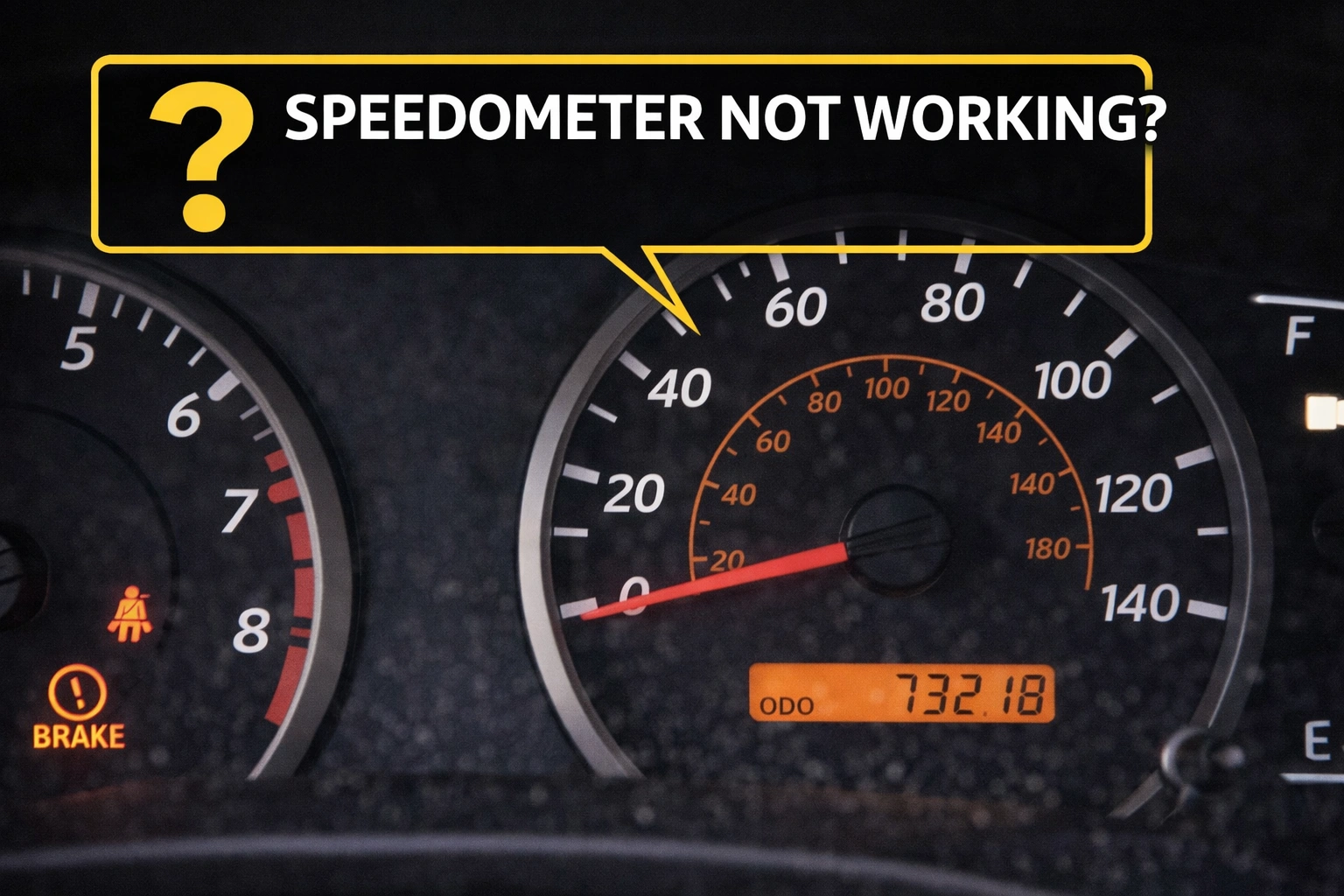
A speedometer is one of the most essential instruments inside a vehicle. Every time a car moves, the speedometer provides the driver with real time information about how fast the vehicle is traveling. This simple display helps drivers maintain safe speeds, follow traffic regulations, and monitor vehicle behavior on the road. When the speedometer stops working correctly, driving becomes uncertain and potentially unsafe.
A faulty speedometer may show zero speed, move erratically, or display incorrect readings. Sometimes the gauge stops responding completely while the vehicle is in motion. In other situations, the needle jumps unpredictably. These problems can originate from several sources including sensors, wiring, electronic control modules, or the instrument cluster itself. Modern vehicles rely heavily on electronic data communication, so even a small sensor malfunction can interrupt speed readings. Identifying the root cause requires attention to vehicle systems that measure wheel rotation and transmit data to the dashboard display.
How A Vehicle Speedometer System Works
Role Of The Vehicle Speed Sensor
The vehicle speed sensor is the primary component responsible for measuring road speed. It is typically mounted on the transmission or differential and monitors how fast the output shaft is rotating. As the shaft spins, the sensor generates electrical signals that represent wheel speed.
These signals are transmitted to the vehicle’s engine control module or body control module. The computer processes the data and sends speed information to the instrument cluster, where the speedometer needle or digital display updates in real time.
Vehicles such as the Toyota Camry and Honda Civic rely on this sensor to calculate speed accurately. The system continuously measures rotation and converts it into miles per hour or kilometers per hour.
If the sensor fails or produces inaccurate signals, the speedometer may stop working or show inconsistent readings.
Communication Between Sensors And Instrument Cluster
Modern vehicles use electronic communication networks to share information between modules. The vehicle speed sensor sends signals to the engine control module, which then transmits speed data to the dashboard through a digital network.
This network allows multiple systems to use speed information. For example, cruise control, transmission shifting, and traction control systems rely on accurate speed signals.
Vehicles like the Ford Escape use this integrated communication system to coordinate several functions simultaneously.
If a wiring fault, software issue, or module malfunction interrupts communication, the speedometer may lose the signal required to display speed. In these cases, the problem may not lie within the gauge itself but somewhere along the electronic data path.
Common Causes Of Speedometer Failure
Faulty Vehicle Speed Sensor
A defective vehicle speed sensor is one of the most common reasons a speedometer stops functioning. Over time, sensors may wear out due to heat, vibration, or contamination from transmission fluid.
When the sensor fails, it may send no signal at all or produce irregular pulses. This results in a speedometer that either remains at zero or fluctuates unpredictably.
Vehicles such as the Chevrolet Malibu sometimes display both speedometer failure and transmission shifting issues when the sensor malfunctions.
Because the transmission control module also relies on speed data, a faulty sensor may affect gear changes and cruise control operation.
Replacing the speed sensor usually restores proper speed readings if this component is the source of the problem.
Wiring And Electrical Connection Problems
Electrical wiring connects the vehicle speed sensor to the control modules and instrument cluster. Over time, wiring insulation can degrade or connectors may loosen due to vibration.
Damaged wiring interrupts the signal between components. When the connection becomes unstable, the speedometer may behave erratically. In some cases, the needle jumps suddenly or stops responding entirely.
Vehicles like the Nissan Altima rely on clean electrical connections for reliable instrument cluster operation.
Inspecting wiring harnesses near the transmission and dashboard often reveals corrosion, broken wires, or loose connectors.
Repairing these connections can restore proper communication within the system.
Instrument Cluster And Gauge Malfunctions
Internal Failure Of The Speedometer Gauge
Sometimes the problem originates within the instrument cluster itself. Mechanical gauges contain small electric motors that move the speedometer needle based on electronic signals.
If the internal motor fails, the needle may stop moving even though the vehicle speed sensor is functioning correctly. Digital speed displays may also stop responding if the cluster electronics malfunction.
Vehicles such as the Ford F-150 occasionally experience instrument cluster issues after years of use. Temperature fluctuations and electrical stress can damage circuit boards inside the cluster.
Repairing or replacing the instrument cluster may be required in these situations.
Cluster diagnostics often confirm whether the gauge itself is defective.
Software Or Control Module Issues
Modern vehicles rely on complex software to manage instrument displays. A malfunction within the engine control module or body control module can prevent speed data from reaching the dashboard.
In rare cases, software glitches or outdated firmware disrupt communication between modules. This may cause the speedometer to stop updating while other systems appear normal.
Vehicles like the Hyundai Sonata use advanced electronic control systems that occasionally require software updates or recalibration.
Diagnostic scanning tools help identify module errors and communication faults.
Updating software or resetting control modules may restore speedometer operation.
Steps To Diagnose And Fix A Speedometer That Is Not Working
Checking Sensors And Diagnostic Codes
Diagnosing a speedometer issue usually begins with a scan tool that reads diagnostic trouble codes stored in the vehicle’s computer. Codes related to the vehicle speed sensor often appear when the sensor fails.
Technicians also inspect the sensor location for debris, corrosion, or fluid leaks that could affect operation.
Vehicles such as the Toyota Corolla may display warning codes indicating communication loss between the sensor and control module.
Testing sensor output using diagnostic equipment helps confirm whether the component is producing accurate signals.
Proper testing ensures that the correct part is replaced.
Inspecting Electrical Systems And Instrument Cluster
After sensor testing, technicians examine wiring harnesses and connectors for damage. Loose or corroded connections can interrupt signal transmission.
If wiring and sensors appear functional, attention shifts to the instrument cluster. Cluster diagnostic procedures verify whether the gauge responds to electronic commands.
Vehicles like the Jeep Grand Cherokee often require specialized tools to test instrument cluster functions.
Repair may involve replacing damaged wiring, installing a new speed sensor, or rebuilding the instrument cluster.
Systematic diagnosis prevents unnecessary replacement of working components.
A non functioning speedometer can originate from several sources including faulty sensors, damaged wiring, control module errors, or instrument cluster failures. Because modern vehicles rely on electronic communication between multiple systems, even a small fault can interrupt speed readings.
Proper diagnostic testing helps identify the exact cause and ensures accurate repair. Maintaining sensor connections and addressing warning signs early keeps the vehicle’s speed monitoring system reliable and safe for everyday travel.