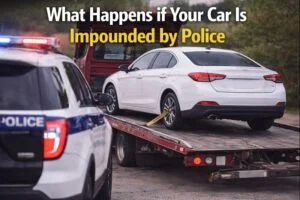
A police impound is one of those events that can turn an ordinary day into a stressful and expensive situation. One moment the car is parked, pulled over, or left on the roadside, and the next it is gone, replaced by confusion and unanswered questions.
Unlike a breakdown or routine ticket, an impound immediately removes access to your vehicle and places it into a legal process that follows strict rules. Many drivers only learn how this system works after they are already dealing with it.
An impound does not always mean criminal activity. Vehicles are taken into custody for a wide range of reasons, including paperwork issues, parking violations, or safety concerns.
Once the police order an impound, the process moves quickly and does not pause for convenience. Storage fees begin accumulating, deadlines apply, and specific steps must be followed to get the vehicle back.
The details vary by location, but the structure is largely the same everywhere. Knowing what unfolds after an impound helps reduce panic and prevents costly mistakes during an already difficult moment.
Reasons Police Impound A Vehicle
Legal And Administrative Violations
Police commonly impound vehicles due to administrative issues. Driving without a valid license, operating a vehicle with expired registration, or lacking required insurance are frequent triggers. In these cases, the impound is used to prevent further illegal operation of the vehicle.
Unpaid tickets or outstanding fines can also result in impoundment, especially when prior notices have been ignored. Some jurisdictions authorize towing after repeated violations.
Safety And Roadway Concerns
A vehicle may be impounded if it poses a safety risk. This includes cars involved in accidents that cannot be driven safely, vehicles blocking traffic, or cars abandoned in hazardous locations.
Police also impound vehicles suspected of being mechanically unsafe, such as those with severe defects that make continued driving dangerous.
Criminal Investigations And Evidence Holds
When a vehicle is connected to a criminal investigation, it may be impounded as evidence. This applies whether the owner is suspected or the vehicle is simply involved.
In these cases, release timelines are longer because law enforcement must complete investigative procedures before authorization is given.
What Happens Immediately After Impoundment
Towing And Transfer To An Impound Lot
Once the impound decision is made, a towing company authorized by law enforcement removes the vehicle. The car is taken to a secured impound lot or storage facility.
The owner is usually given a notice explaining why the vehicle was impounded and where it has been taken. If the owner is not present, this notice is often mailed.
Documentation And Vehicle Intake
At the impound facility, the vehicle is logged into the system. Photos may be taken, mileage recorded, and contents documented. This protects both the owner and the facility from disputes.
Personal belongings inside the car are typically not removed unless required for safety or investigation. Access to these items varies by location and reason for impound.
Fees Begin Accumulating
From the moment the vehicle enters the impound lot, fees begin to add up. These usually include a towing charge and a daily storage fee.
Delays in retrieval directly increase the total cost, which is why timing matters greatly.
The Legal Process And Owner Responsibilities
Receiving The Official Impound Notice
Most jurisdictions require formal notification of impoundment. This notice outlines the reason, location, and steps required for release.
It may also include deadlines for action. Ignoring the notice can lead to additional penalties or loss of the vehicle.
Proving Ownership And Eligibility
To retrieve an impounded car, proof of ownership is required. This usually includes a title or registration and valid identification.
If the impound resulted from licensing or insurance issues, those problems must be resolved before release is approved.
Court Hearings And Appeals
Some impounds allow for a hearing to challenge the decision. This must be requested within a specific time frame.
If successful, fees may be reduced or waived. If unsuccessful, costs continue to accrue.
Costs Associated With An Impounded Car
Towing Fees
Towing fees vary widely depending on distance, vehicle size, and time of day. Standard rates range from moderate to high, especially for after-hours tows.
Heavy-duty or specialty vehicles cost more to tow.
Daily Storage Charges
Storage fees are charged per day and can add up quickly. Rates are set by local regulations or contracts with towing companies.
Even a few days of delay can double the original towing cost.
Administrative And Release Fees
In addition to towing and storage, administrative fees may apply. These cover paperwork, processing, and release authorization.
Some areas also require payment of outstanding tickets before release.
How To Get Your Car Back
Step One: Contact The Impound Facility
Confirm the vehicle location, operating hours, and required documents. Impound lots often have limited hours, which can cause delays.
Asking about accepted payment methods is also important, as many facilities require payment in full before release.
Step Two: Resolve The Underlying Issue
If the impound was caused by lack of insurance, expired registration, or licensing problems, those must be corrected first.
Proof of compliance is usually required at the time of pickup.
Step Three: Pay All Required Fees
Fees must typically be paid before the vehicle is released. Partial payments are rarely accepted.
Receipts should be kept for records and possible disputes.
What Happens If The Car Is Not Retrieved
Extended Storage And Increased Costs
Storage fees continue to accumulate until the vehicle is retrieved or disposed of. This can quickly exceed the value of older vehicles.
Many owners are surprised how fast costs escalate.
Lien Placement And Auction
If fees remain unpaid beyond a legal period, the impound facility may place a lien on the vehicle.
Eventually, the car may be sold at auction to recover costs. Any remaining balance may still be owed by the owner.
Loss Of Personal Property
Items left inside the vehicle may be removed and stored separately or disposed of, depending on local laws.
Retrieving personal property becomes more difficult as time passes.
Long-Term Consequences Of Police Impoundment
Financial Impact
Impoundment often results in significant unexpected expenses. Between towing, storage, fines, and repairs, costs can reach thousands.
Repeated impounds can create ongoing financial strain.
Insurance And Driving Record Effects
Some impound reasons may affect insurance premiums or driving records. Driving without insurance or license violations often carry long-term consequences.
These impacts extend beyond the immediate impound.
Vehicle Condition After Release
Cars stored outdoors for extended periods may suffer cosmetic or mechanical issues. Battery drain, tire flat-spotting, and weather exposure are common.
Prompt retrieval minimizes these risks.
Common Misconceptions About Police Impound
Many people believe impoundment only happens for serious crimes. In reality, minor administrative issues are among the most common causes.
Another misconception is that fees stop accumulating after a few days. Storage charges usually continue until resolution.
Clarifying these points helps prevent false assumptions.
Ways To Reduce The Risk Of Future Impoundment
Keeping Documents Current
Valid registration, insurance, and licensing are the simplest protections against impoundment.
Regular checks prevent overlooked expirations.
Addressing Tickets And Notices Promptly
Unpaid fines often escalate into more serious consequences. Resolving them early avoids vehicle seizure.
Parking And Traffic Awareness
Understanding local parking rules reduces the risk of tow-away zones and impound actions.
Small habits prevent big problems.
When Professional Help Is Useful
Legal counsel may help in cases involving disputes, evidence holds, or improper impoundment. This is especially useful when fees are high or timelines are unclear.
Professional advice often saves money in complex situations.
Final Thoughts
A police impound places a vehicle into a legal and financial process that moves quickly and does not pause for convenience. From the moment the car is towed, costs begin accumulating and responsibilities shift to the owner. While the experience is stressful, it follows a structured system with defined steps, deadlines, and requirements.
Prompt action, clear communication, and resolving the underlying issue as soon as possible make a significant difference. Delays almost always increase costs and complications. While an impound can feel overwhelming, approaching it methodically helps restore control and limits long-term consequences. A clear grasp of the process turns a frustrating situation into one that can be managed and resolved with fewer surprises.