
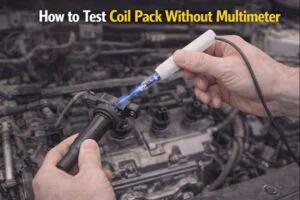
Ignition problems often show up without warning. A rough idle, sudden hesitation, flashing warning light, or noticeable loss of power can turn a normal drive into a frustrating experience. In many cases, the root cause traces back to a single component: the ignition coil pack.
This part is responsible for delivering high-voltage current to the spark plugs, allowing fuel to ignite properly inside the engine. When it begins to fail, symptoms can feel dramatic even though the fix may be simple.
Many guides immediately point toward using a multimeter to confirm coil condition. That tool is helpful, but it is not always available, especially for drivers diagnosing issues at home or on the roadside.
Fortunately, coil packs can still be evaluated using practical, real-world methods that rely on observation, engine response, and safe mechanical checks.
These approaches do not replace professional diagnostics, but they often provide a clear answer about whether a coil pack is working or failing. With patience and attention to detail, meaningful conclusions can be drawn without electronic measuring tools.
What A Coil Pack Does And Why It Fails
Role Of The Coil Pack In Engine Operation
A coil pack converts low-voltage battery power into the high-voltage energy needed to fire spark plugs. Each ignition event must occur at precisely the right moment for smooth combustion.
Modern vehicles may use one coil per cylinder or a shared coil serving multiple cylinders. When one coil fails, the affected cylinder stops firing correctly, leading to misfires and imbalance.
Common Reasons Coil Packs Go Bad
Heat is the biggest enemy of ignition coils. They sit near the engine and experience constant temperature changes. Over time, internal insulation breaks down.
Moisture intrusion, oil leaks, vibration, and age also contribute. Once insulation weakens, spark energy leaks instead of reaching the plug.
Early Signs That Point To A Coil Pack Problem
Engine Misfires And Rough Idle
A failing coil often causes the engine to shake at idle. The vibration feels uneven, as if the engine cannot settle into a steady rhythm.
Misfires may come and go, especially when the engine warms up.
Loss Of Power Under Acceleration
When a coil struggles, the engine may hesitate during acceleration. Power delivery feels delayed or uneven, particularly under load.
This is because the spark is too weak to ignite fuel consistently.
Flashing Warning Light
A flashing warning light usually signals active misfires. While multiple issues can cause this, coil failure is one of the most common.
Ignoring this symptom can damage the catalytic converter.
Visual Inspection Without Tools
Checking For Cracks And Burn Marks
Start by turning the engine off and allowing it to cool. Remove the engine cover if present and locate the coil packs.
Look closely for cracks in the plastic housing, burn marks, or melted areas. These signs indicate internal failure caused by heat or electrical leakage.
Inspecting For Oil Or Moisture
Oil leaking from valve cover gaskets often pools around coil packs. Oil contamination weakens insulation and leads to misfires.
Moisture intrusion, especially after heavy rain or washing, can also cause temporary or permanent coil failure.
Examining Coil Boots And Springs
Remove the coil from the spark plug well. Inspect the rubber boot for tears, brittleness, or carbon tracking, which appears as thin black lines.
Inside the boot, the metal spring should be clean and corrosion-free. Rust or residue suggests poor electrical contact.
Engine Behavior Tests That Reveal Coil Issues
Cylinder Drop Test Using Engine Response
With the engine idling, carefully unplug one coil at a time. When a healthy coil is disconnected, engine idle should worsen noticeably.
If unplugging a coil makes little or no difference, that coil or cylinder is already not contributing properly.
Always reconnect each coil before moving to the next one.
Listening For Rhythm Changes
Healthy engines have a consistent exhaust rhythm. A misfiring cylinder causes irregular beats or popping sounds.
Standing near the engine bay with the hood open often reveals audible changes as coils are disconnected and reconnected.
Smell And Heat Clues
A failing coil may cause unburned fuel to exit the exhaust. This creates a strong fuel smell, especially at idle.
Some faulty coils also run hotter than others. Carefully feeling near the coil area after shutdown can reveal unusual heat differences, though direct contact should be avoided.
The Coil Swap Method
Why Swapping Works
The coil swap method is one of the most reliable non-electronic tests. It uses logic rather than measurement.
If a misfire follows the coil when it is moved to another cylinder, the coil is the problem.
How To Perform A Safe Coil Swap
Identify the cylinder suspected of misfiring. Remove that coil and swap it with a coil from a different cylinder.
Start the engine and observe behavior. If the misfire moves to the new cylinder location, the coil is faulty.
If the misfire stays in the original cylinder, the issue lies elsewhere.
Mistakes To Avoid During Swapping
Always ensure coils are seated fully and connectors are secure. Loose connections can mimic coil failure.
Do not swap coils on a hot engine. Heat increases the risk of damaging components or causing injury.
Spark Plug Condition As An Indirect Test
Reading Spark Plug Clues
Remove the spark plug from the affected cylinder. A plug fouled with fuel, oil, or heavy carbon buildup suggests poor ignition.
A healthy coil usually leaves a plug with light, even deposits.
Comparing Plugs Between Cylinders
Comparing plugs side by side reveals differences. A cylinder with a weak coil often has a plug that looks wetter or darker than others.
This comparison strengthens conclusions drawn from other tests.
Using Engine Sound And Vibration Patterns
Idle Quality Assessment
Engines with strong ignition systems idle smoothly. Coil failure introduces irregular vibration that can be felt through the steering wheel or seat.
These vibrations often worsen when accessories are turned on.
Acceleration Feel During Road Test
During gentle acceleration, misfires caused by coil issues feel like brief stumbles.
Hard acceleration may temporarily mask the issue, which helps distinguish ignition problems from fuel delivery issues.
When Coil Failure Is Not The Real Cause
Wiring And Connector Problems
Damaged wiring or loose connectors can interrupt coil operation. Always inspect connectors for bent pins or corrosion.
Wiggling the connector gently while the engine runs may reveal intermittent faults.
Faulty Spark Plugs Or Fuel Injectors
Worn spark plugs place extra stress on coils and cause misfires that resemble coil failure.
Fuel injector issues also mimic ignition problems. Coil testing should be part of a broader evaluation.
Engine Control Module Influence
In rare cases, the engine control unit limits spark due to sensor data. This is uncommon but possible.
Persistent misfires after coil replacement warrant professional diagnosis.
Safety Precautions During Testing
Avoiding Electrical Shock
Ignition systems produce high voltage. Never touch coil connectors or spark plug terminals while the engine is running.
Always turn the engine off before removing components.
Preventing Damage To Components
Do not pry or force coils out of place. Gentle twisting helps release them from spark plug wells.
Reconnect everything properly after testing to avoid new issues.
When Professional Testing Becomes Necessary
If multiple coils test inconclusively or symptoms persist after replacement, professional diagnostics are recommended.
Advanced tools can analyze ignition timing, dwell, and live misfire data that home testing cannot provide.
Cost Considerations After Diagnosis
Replacing One Coil Versus Multiple Coils
If one coil has failed due to age, others may not be far behind. Some owners replace all coils together to avoid repeat labor.
This decision depends on budget and vehicle mileage.
Choosing Quality Replacement Parts
Low-quality coils often fail early. Choosing reputable brands improves longevity and reliability.
Saving money upfront can lead to repeat repairs later.
Preventing Future Coil Problems
Addressing Oil Leaks Early
Valve cover gasket leaks are a leading cause of coil damage. Fixing leaks protects ignition components.
Replacing Spark Plugs On Schedule
Old spark plugs increase electrical demand on coils. Timely plug replacement reduces stress.
Avoiding Water Intrusion
Be cautious when washing the engine bay. Excess water can damage coils and connectors.
Common Misconceptions About Coil Testing
Many believe a coil either works or does not. In reality, coils often fail gradually, making diagnosis tricky.
Another misconception is that coil failure always triggers a warning light. Some misfires occur without immediate alerts.
Recognizing these realities helps set realistic expectations.
Final Thoughts
Testing a coil pack without a multimeter relies on observation, logic, and careful comparison rather than numbers on a screen. Visual checks, engine response tests, coil swapping, and spark plug inspection together paint a clear picture of ignition health. These methods have been used successfully by technicians and experienced drivers long before digital tools became common.
While these techniques are effective, they work best when performed patiently and safely. Coil packs play a central role in engine performance, and early detection of failure prevents further damage and frustration. When simple testing points clearly to a bad coil, timely replacement restores smooth operation and confidence behind the wheel.