
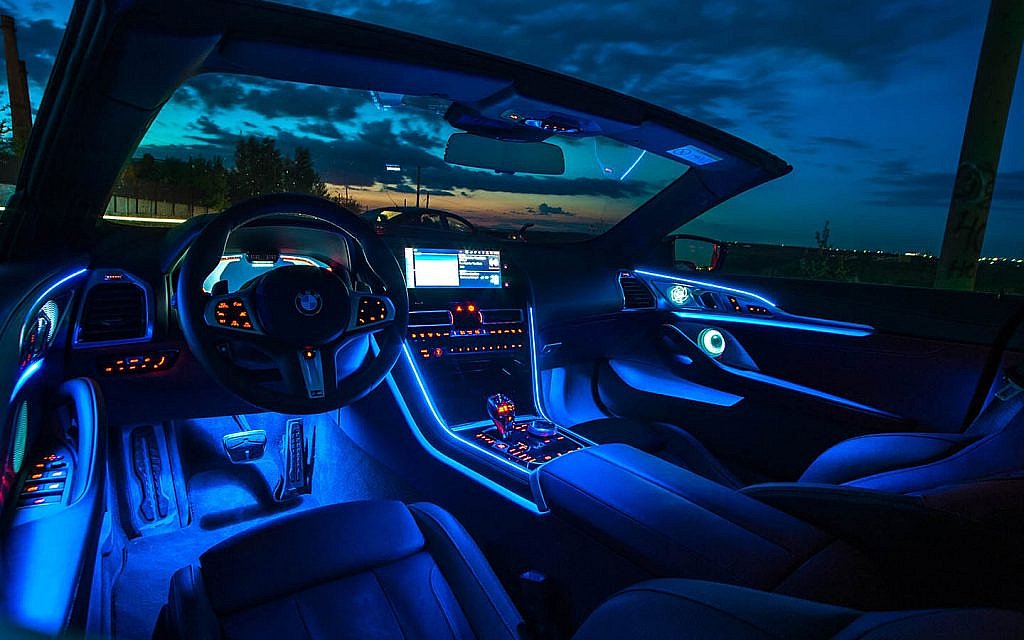
Automotive interiors have changed dramatically over the past decade. Once focused mainly on durability and layout, cabins are now designed to influence mood, comfort, and perception of quality.
One feature that has quietly become a symbol of modern design is ambient lighting. Soft illumination along dashboards, doors, and footwells has transformed how a car feels the moment the doors close.
Ambient lighting is not about brightness or visibility in the traditional sense. It is about the atmosphere. Subtle color tones and carefully placed light strips add depth to the cabin, making even everyday commutes feel more refined. What was once reserved for luxury sedans has now spread across hatchbacks, SUVs, and electric vehicles.
Manufacturers use ambient lighting to express brand identity and enhance interior design without altering physical materials. For buyers, it offers both visual appeal and functional benefits, such as improved orientation at night.
Knowing how ambient lighting works, where it adds value, and which cars offer the best implementations helps buyers choose interiors that feel comfortable and modern for years to come.
What Ambient Lighting Means In Cars
Ambient lighting refers to low-intensity interior illumination designed to enhance atmosphere rather than provide direct visibility.
Purpose Of Ambient Lighting
The primary goal is to create a calm and visually pleasing environment. Soft light reduces harsh contrasts at night and makes the cabin feel more spacious and welcoming.
It also helps occupants locate controls, storage areas, and door handles without relying on overhead lights.
How It Differs From Interior Lamps
Standard interior lamps focus on brightness. They turn on when doors open or when manually activated. Ambient lighting remains subtle and constant, blending into the interior design rather than standing out.
Its placement is intentional, often following trim lines and contours.
Evolution From Luxury To Mainstream
Ambient lighting first appeared in premium vehicles as a way to differentiate interiors. Over time, costs decreased and technology improved.
Today, it is available across a wide range of segments, from compact cars to full-size SUVs.
How Ambient Lighting Is Designed And Controlled
Ambient lighting systems rely on modern electronics and thoughtful design integration.
Light Sources And Placement
Most systems use LED strips due to their low power consumption and flexibility. These strips are placed along dashboards, door panels, center consoles, and footwells.
Some vehicles extend lighting to cup holders, speaker surrounds, and seat contours.
Color Options And Themes
Many cars offer multiple color choices. Drivers can select calm tones for relaxed cruising or brighter hues for a sportier feel.
Advanced systems link colors to drive modes, changing automatically based on vehicle settings.
Control Interfaces
Ambient lighting settings are usually controlled through the infotainment system. Some vehicles also offer steering wheel shortcuts or voice commands.
Brightness levels can be adjusted independently to avoid distraction during night driving.
Benefits Of Ambient Lighting In Everyday Use
Ambient lighting is more than a design feature. It affects comfort, usability, and perception of quality.
Enhanced Cabin Comfort
Soft lighting reduces eye strain at night by eliminating sharp contrasts between dark interiors and bright displays.
This creates a more relaxed environment, especially during long drives.
Improved Nighttime Orientation
Subtle illumination helps occupants locate door handles, storage areas, and controls without activating dome lights.
This is particularly useful when driving at night, as it minimizes distraction.
Stronger Perception Of Quality
Ambient lighting adds depth to interior surfaces. Even simple materials appear more refined when highlighted correctly.
This visual upgrade often makes the cabin feel more expensive than it actually is.
Customization And Personal Expression
Color selection allows drivers to tailor the interior to their preferences.
This sense of personalization strengthens emotional connection with the vehicle.
Popular Cars Known For Ambient Lighting
Several manufacturers have become known for their distinctive ambient lighting designs. Each approaches the feature differently.
German Luxury Approach
Brands like Mercedes-Benz have set benchmarks with multi-color systems that span the entire cabin. Their lighting often integrates with climate controls and infotainment alerts, creating a cohesive visual language.
BMW focuses on clean lines and subtle accents, emphasizing precision rather than brightness.
Mainstream Brands With Premium Touches
Volkswagen offers ambient lighting in many models, balancing affordability with modern design. Lighting often highlights dashboard contours and door trims.
Hyundai and Kia have expanded ambient lighting into mid-range trims, making the feature accessible without luxury pricing.
Electric Vehicle Design Philosophy
Electric vehicles emphasize minimalism. Brands like Tesla use lighting sparingly, focusing on screen illumination and subtle accents.
Other EV makers use ambient lighting to reinforce futuristic themes and highlight clean interior layouts.
Ambient Lighting In Different Vehicle Segments
The role of ambient lighting varies based on vehicle type and target audience.
Sedans And Hatchbacks
In smaller cars, ambient lighting enhances perceived space. Thin light strips along doors and dashboards add width and depth.
These implementations focus on simplicity to avoid overwhelming compact interiors.
SUVs And Crossovers
Larger cabins allow more extensive lighting. Footwell illumination, rear passenger lighting, and panoramic integration are common.
This helps maintain a cohesive feel across multiple rows.
Performance-Oriented Models
Sport-focused cars use ambient lighting to emphasize aggressive design. Red or contrasting colors often dominate, reinforcing performance themes.
Lighting may also respond to drive mode changes for added drama.
Choosing A Car Based On Ambient Lighting
Ambient lighting should complement overall priorities rather than serve as the sole deciding factor.
Evaluating Practical Value
Consider whether lighting enhances usability or simply adds visual appeal. Adjustable brightness and color options increase long-term satisfaction.
Fixed or overly bright systems may become distracting over time.
Long-Term Reliability
LED systems are generally reliable, but complex integrations may increase repair costs if components fail.
Checking warranty coverage and replacement costs provides peace of mind.
Interior Design Harmony
Ambient lighting works best when integrated thoughtfully. Poor placement can feel gimmicky rather than refined.
Look for designs that follow natural lines and surfaces.
Aftermarket Ambient Lighting Options
Some owners choose to add ambient lighting after purchase.
Advantages Of Factory Systems
Factory-installed lighting integrates seamlessly with interior design and electrical systems.
Controls are centralized, and reliability is generally higher.
Considerations With Aftermarket Kits
Aftermarket lighting offers customization but varies in quality. Poor installation can lead to electrical issues or uneven illumination.
Professional installation reduces risk and improves results.
Future Trends In Automotive Ambient Lighting
Ambient lighting continues to evolve alongside vehicle technology.
Integration With Driver Assistance Systems
Future systems may use lighting to provide subtle alerts, such as lane departure warnings or navigation cues.
This adds functional value without relying solely on screens.
Adaptive And Biometric Lighting
Emerging concepts explore lighting that responds to mood or stress levels, adjusting color and intensity automatically.
Such systems aim to enhance comfort and focus.
Sustainable And Energy-Efficient Designs
Manufacturers continue improving efficiency, reducing power consumption while expanding design possibilities.
This aligns with broader sustainability goals.
Final Thoughts
Ambient lighting has moved beyond decoration. It plays a meaningful role in shaping how a car feels, both visually and emotionally. By enhancing comfort, improving nighttime usability, and elevating interior design, it contributes to a more enjoyable ownership experience.
The best ambient lighting systems feel natural rather than forced. They complement materials, follow design lines, and adapt to driver preferences. Whether found in luxury sedans or everyday hatchbacks, this feature reflects how automotive interiors now prioritize atmosphere as much as function.
Choosing a car with well-designed ambient lighting means investing in an interior that remains inviting long after the novelty fades. It is a subtle detail, but one that quietly transforms every journey.
