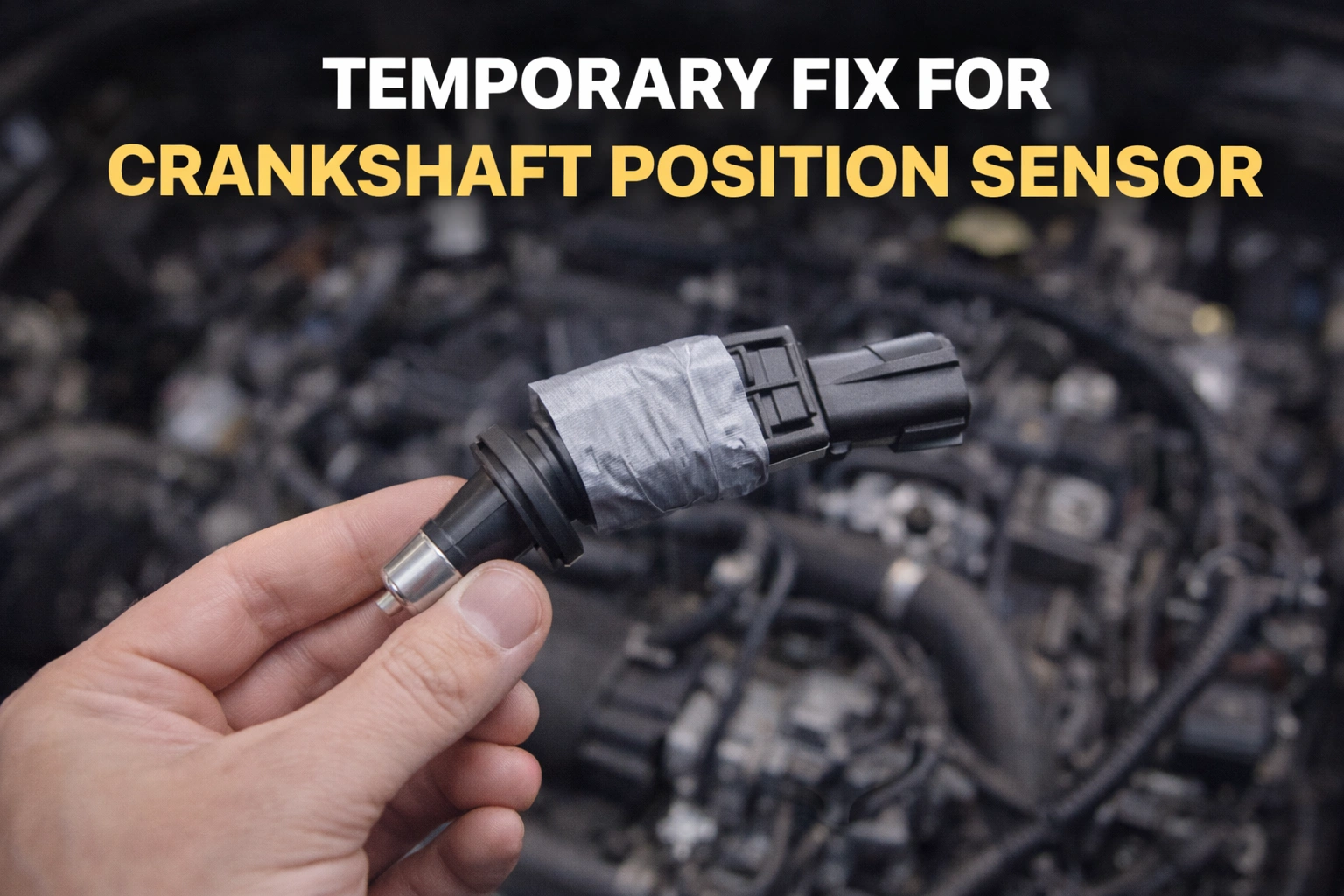
Modern engines rely heavily on sensors to operate with precision. Among the most critical is the crankshaft position sensor. This small component monitors the rotation and position of the crankshaft, allowing the engine control module to manage ignition timing and fuel injection accurately. When it begins to fail, symptoms can appear suddenly—hard starting, engine stalling, misfires, or even complete shutdown.
A failing crankshaft position sensor often leaves drivers stranded without warning. In some cases, the problem develops gradually and allows limited operation before total failure. Because of this unpredictability, many drivers search for a temporary solution to keep the vehicle running long enough to reach home or a repair facility.
Temporary fixes are not permanent repairs. They may buy time but cannot restore full reliability. Understanding what steps are safe to take, what signs to watch for, and when replacement becomes unavoidable prevents additional damage and reduces the risk of breakdown at the worst possible moment.
What A Crankshaft Position Sensor Does And Why Failure Matters
Role In Engine Timing And Fuel Delivery
The crankshaft position sensor tracks the exact position and rotational speed of the crankshaft. It sends signals to the engine control module, which uses that data to determine when to fire spark plugs and inject fuel. Accurate timing ensures smooth combustion and efficient performance.
Without reliable crankshaft position data, the engine cannot synchronize spark and fuel properly. The result may include hesitation, misfires, rough idle, or stalling. In severe cases, the engine may crank but fail to start entirely.
This sensor works constantly while the engine runs. Because it operates in high heat and vibration environments, wear and internal electronic failure can occur over time.
Common Symptoms Of Sensor Failure
Early warning signs may include intermittent stalling, especially when the engine is warm. The vehicle might restart after cooling down. This heat-related pattern is common because internal sensor components expand when hot, interrupting signal output.
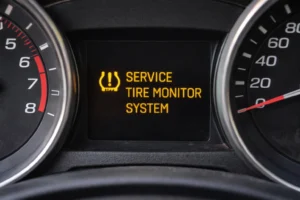
Other symptoms include reduced power, sudden shutdown while driving, or inconsistent tachometer readings. A check engine light often accompanies these issues.
Recognizing early symptoms helps prevent unexpected complete failure.
Temporary Fixes That May Restore Operation Briefly
Allow Engine To Cool Down
Heat-related failure is common with crankshaft position sensors. If the engine stalls after warming up, allowing it to cool for 20 to 30 minutes may temporarily restore signal function. As internal components contract, electrical continuity may return.
This method does not repair the sensor. It only addresses temporary heat expansion issues. Still, it may allow the vehicle to restart and reach a safer location.
Repeated reliance on cooling indicates imminent sensor replacement.
Inspect And Clean Electrical Connections
Loose or corroded wiring connectors can interrupt signal transmission. Carefully disconnecting the sensor harness and inspecting for dirt, oil contamination, or corrosion may improve electrical contact.
Cleaning terminals with appropriate electrical cleaner and reconnecting securely can sometimes restore consistent signal output. Ensure connectors are dry before reattachment.
This step is simple and low risk. However, it only helps if connection problems are present rather than internal sensor failure.
Check For Damaged Wiring
Sensor wiring runs close to the engine and may be exposed to heat or friction. Inspecting for frayed insulation, cracked wires, or loose mounting clips can reveal signal disruption.
Temporary electrical tape wrapping may prevent short circuits if insulation is damaged. However, proper wiring repair or replacement is necessary for long-term reliability.
Temporary insulation prevents worsening of electrical faults but should not be considered permanent.
Diagnostic Steps Before Attempting Temporary Measures
Scan For Trouble Codes
Using an OBD-II scanner helps identify crankshaft position sensor codes. Codes related to signal loss or intermittent failure confirm suspicion.
Clearing codes may temporarily remove warning lights, but if the underlying issue remains, codes will return quickly.
Scanning provides direction before attempting quick fixes.
Test Sensor Output If Possible
Some technicians use a multimeter to test resistance or signal output. Comparing readings to manufacturer specifications determines whether the sensor is within operating range.
If readings are inconsistent or outside specification, replacement becomes necessary.
Testing ensures accurate identification rather than guessing.
Inspect Sensor Mounting Position
The crankshaft position sensor must maintain proper alignment with the crankshaft reluctor ring. If mounting bolts loosen, the sensor gap may change and disrupt signal accuracy.
Tightening mounting hardware carefully may restore proper alignment. However, damaged reluctor rings require professional repair.
Correct positioning ensures accurate signal detection.
Risks Of Relying On A Temporary Fix
Sudden Engine Stall While Driving
A failing sensor may cut a signal without warning. Engine shutdown at highway speed reduces power steering assist and may create hazardous conditions.
Temporary fixes do not guarantee consistent operation. Planning repair quickly reduces safety risk.
Unpredictable stalling is the greatest concern with sensor failure.
Potential Damage To Other Components
Incorrect timing due to erratic crankshaft signals can affect ignition coils and catalytic converters. Misfires increase unburned fuel in the exhaust system, potentially causing overheating.
Addressing sensor problems early protects related systems from stress.
Minor electrical faults can escalate into expensive repairs if ignored.
Increased Fuel Consumption And Rough Operation
Irregular sensor signals disrupt optimal timing. The engine may run less efficiently, consuming more fuel and producing rough performance.
Temporary restoration methods may not eliminate inconsistent signals entirely.
Reliable performance requires full sensor replacement when failure is confirmed.
When Replacement Is The Only Reliable Solution
Persistent Trouble Codes
If diagnostic codes return immediately after clearing and cleaning connections, the sensor itself is likely failing internally.
Internal electronic breakdown cannot be repaired externally.
Replacement becomes necessary for consistent operation.
Heat Related Restart Pattern
An engine that runs normally when cold but stalls when warm strongly indicates sensor deterioration. Repeated cooling cycles to restart confirm internal breakdown.
Replacing the sensor eliminates the heat sensitivity issue.
Ignoring this pattern risks sudden shutdown.
Complete No Start Condition
If the engine cranks but does not start and no spark is present, the crankshaft position sensor may have failed entirely.
Temporary measures rarely revive a fully failed sensor.
Immediate replacement restores functionality.
Safe Driving Considerations While Awaiting Repair
If the vehicle remains operational after temporary steps, drive only short distances to reach a repair facility. Avoid highway travel or heavy traffic conditions where sudden stall poses greater risk.
Keep tools and a scan device accessible if possible. Monitor warning lights closely.
Limiting use reduces risk of becoming stranded unexpectedly.
Practical Closing Perspective
A crankshaft position sensor plays a central role in engine operation. Temporary fixes such as cooling the engine, cleaning connectors, or securing wiring may provide short-term relief when failure begins gradually. These steps can help reach a repair location but do not replace the need for proper replacement.
Persistent stalling, heat-related shutdowns, or recurring diagnostic codes signal internal sensor failure. Relying on temporary solutions for extended periods increases safety risk and may strain other engine components.
Addressing the issue promptly restores accurate timing control and dependable operation. Short-term measures buy time, but long-term reliability depends on installing a new, properly functioning sensor.