
Every hydraulic system inside a vehicle depends on fluid to transmit force smoothly and reliably. Power steering is no exception. When you turn the steering wheel, hydraulic pressure assists the movement, making it easier to control the vehicle. That assistance comes from power steering fluid flowing under pressure through hoses, valves, and the steering rack.
While most drivers focus on engine oil and coolant, power steering fluid often goes unnoticed until steering feels stiff or unusual noises begin. One of the easiest ways to judge its condition is by looking at its color. Fresh fluid has a distinct appearance. Over time, heat, contamination, and wear can change that color, signaling potential problems.
Observing the fluid’s shade offers important clues about system health. A small change may indicate normal aging, while darker or cloudy fluid may reveal contamination or internal wear. Recognizing what different colors represent helps prevent steering issues and costly repairs.
What Is The Normal Color Of Power Steering Fluid
Clear Or Light Amber Appearance
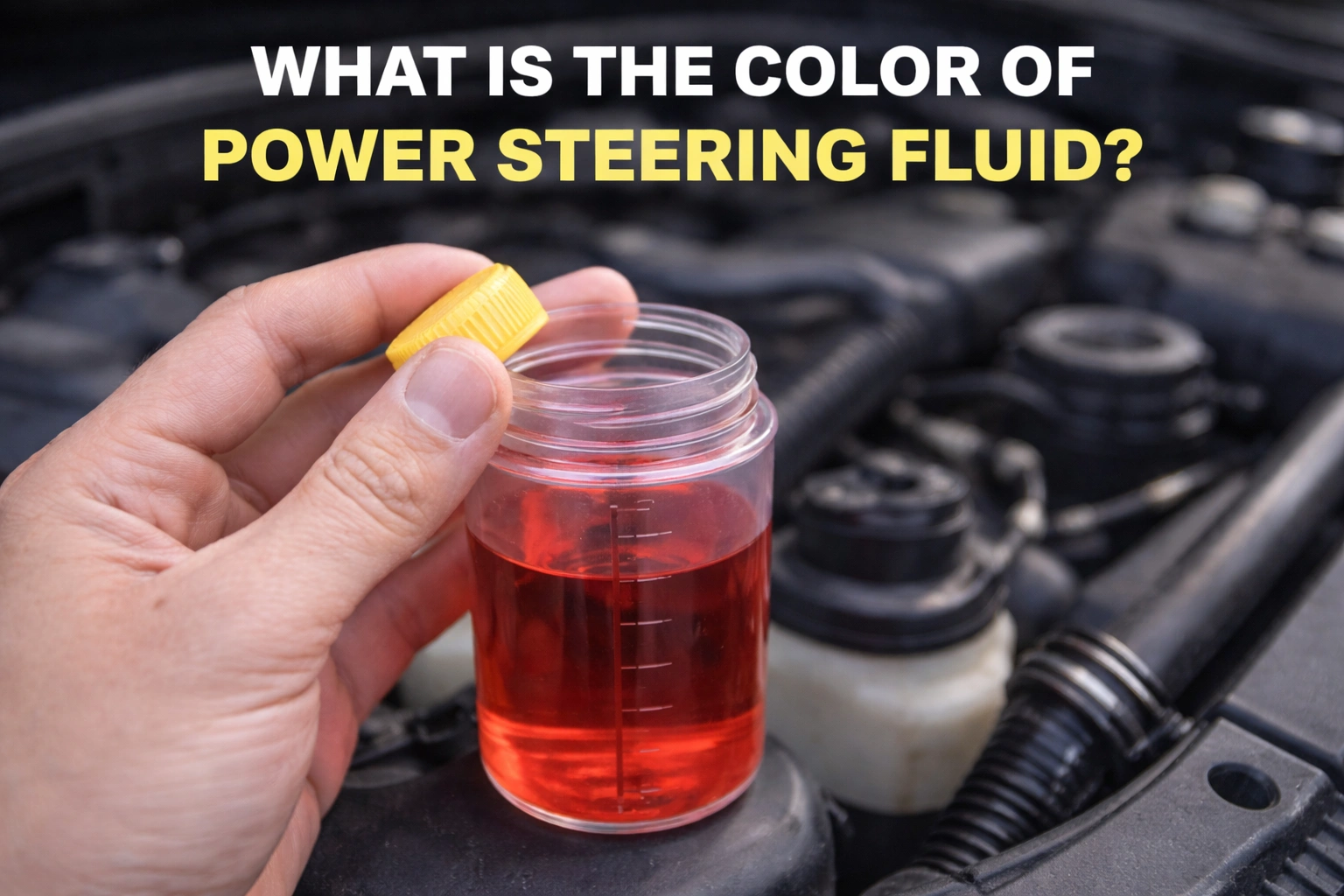
Fresh power steering fluid typically appears clear or slightly amber. The exact shade depends on the manufacturer and type of fluid used. Some vehicles use dedicated power steering fluid, while others specify automatic transmission fluid, which often has a reddish tint.
In general, new hydraulic fluid should look clean and transparent without debris. The consistency should be smooth and free from particles. This clarity indicates that the fluid is uncontaminated and capable of maintaining proper hydraulic pressure.
Light amber or pale red fluid usually signals good condition. As long as the fluid remains clear and within the correct level, the steering system should operate smoothly.
Red Tinted Fluid In Some Vehicles
Many manufacturers use automatic transmission fluid in the power steering system. This fluid is typically red when new. Over time, the red color may fade toward darker shades.
Red fluid does not indicate a problem. It simply reflects the fluid type used in that particular vehicle. Checking the owner’s manual confirms which type is required.
Matching the recommended fluid type is essential for maintaining proper steering function.
What Different Fluid Colors Mean
Dark Brown Or Black Fluid
Power steering fluid that turns dark brown or nearly black usually indicates contamination or overheating. Heat from engine operation gradually breaks down fluid additives. As the fluid degrades, it loses its protective properties and becomes darker.
Dark fluid may also contain microscopic metal particles from normal system wear. Over time, these particles accumulate and alter the fluid’s appearance.
When fluid becomes dark and opaque, replacement is recommended. Continued use may lead to increased steering effort or pump wear.
Milky Or Foamy Appearance
Milky fluid often signals air or moisture contamination. Air enters the system through leaks or low fluid levels. When air mixes with hydraulic fluid, it creates foam and reduces pressure efficiency.
Moisture contamination can occur if the system is exposed to water through damaged seals or condensation buildup. Water reduces lubrication and accelerates corrosion.
Foamy or milky fluid requires immediate attention. Identifying the source of contamination prevents further system damage.
Pink Or Faded Color
Fluid that shifts from bright red to pink or faded shades may simply reflect age. Over time, dye pigments weaken due to heat exposure.
If the fluid remains clear and free of debris, mild color fading alone does not always indicate severe deterioration. However, combining faded color with noise or stiffness suggests it may be time for replacement.
Evaluating both color and performance provides a complete assessment.
How To Check Power Steering Fluid Color Correctly
Locate The Reservoir Safely
The power steering reservoir is typically located near the engine’s front. It may have a labeled cap or steering wheel symbol. Always check fluid when the engine is cool to avoid burns.
Remove the cap carefully and use a clean dipstick or cloth to observe fluid color. Avoid introducing dirt into the reservoir during inspection.
Visual inspection under good lighting ensures accurate color assessment.
Compare With Fresh Fluid
If uncertain about the condition, compare a small sample with new fluid. Fresh fluid’s clarity makes contrast easy to identify.
If the existing fluid appears significantly darker or contaminated, consider flushing the system.
Regular inspection helps maintain smooth steering performance.
When To Replace Power Steering Fluid
Signs Beyond Color Change
While color provides important clues, additional symptoms often accompany deteriorated fluid. Whining noises during steering, increased steering effort, or vibration in the wheel may signal fluid breakdown.
Leaks around hoses or the pump also reduce fluid effectiveness. Low fluid level combined with discoloration requires prompt action.
Replacing fluid at recommended intervals preserves pump and steering rack longevity.
Flushing Versus Topping Off
Topping off fluid addresses low levels but does not remove contaminants. If fluid appears dark or dirty, a full flush is more effective. Flushing removes degraded fluid and replaces it with fresh hydraulic fluid.
Professional service ensures complete removal of old fluid. Some vehicles allow partial fluid replacement through careful siphoning and refill.
Maintaining clean fluid protects internal seals and components.
Preventing Power Steering Fluid Contamination
Regular inspection and maintenance reduce the risk of fluid degradation. Avoid mixing incompatible fluid types. Using incorrect fluid may alter color and compromise performance.
Address small leaks promptly to prevent air entry. Inspect hoses and clamps during routine service.
Keeping the reservoir cap secure minimizes exposure to moisture and debris.
Preventive care extends the lifespan of steering components and reduces repair costs.
The Bottom Line
Power steering fluid color offers a simple yet valuable indicator of system condition. Fresh fluid typically appears clear, amber, or red depending on the vehicle. Dark brown, black, or milky fluid often signals contamination or aging that requires attention.
Routine inspection under proper lighting helps identify early changes before steering performance declines. Replacing degraded fluid protects pumps, hoses, and steering racks from premature wear.
Monitoring fluid color, level, and system behavior ensures smooth steering response and long-term reliability. Proper maintenance keeps the hydraulic system functioning efficiently and reduces the likelihood of costly repairs.