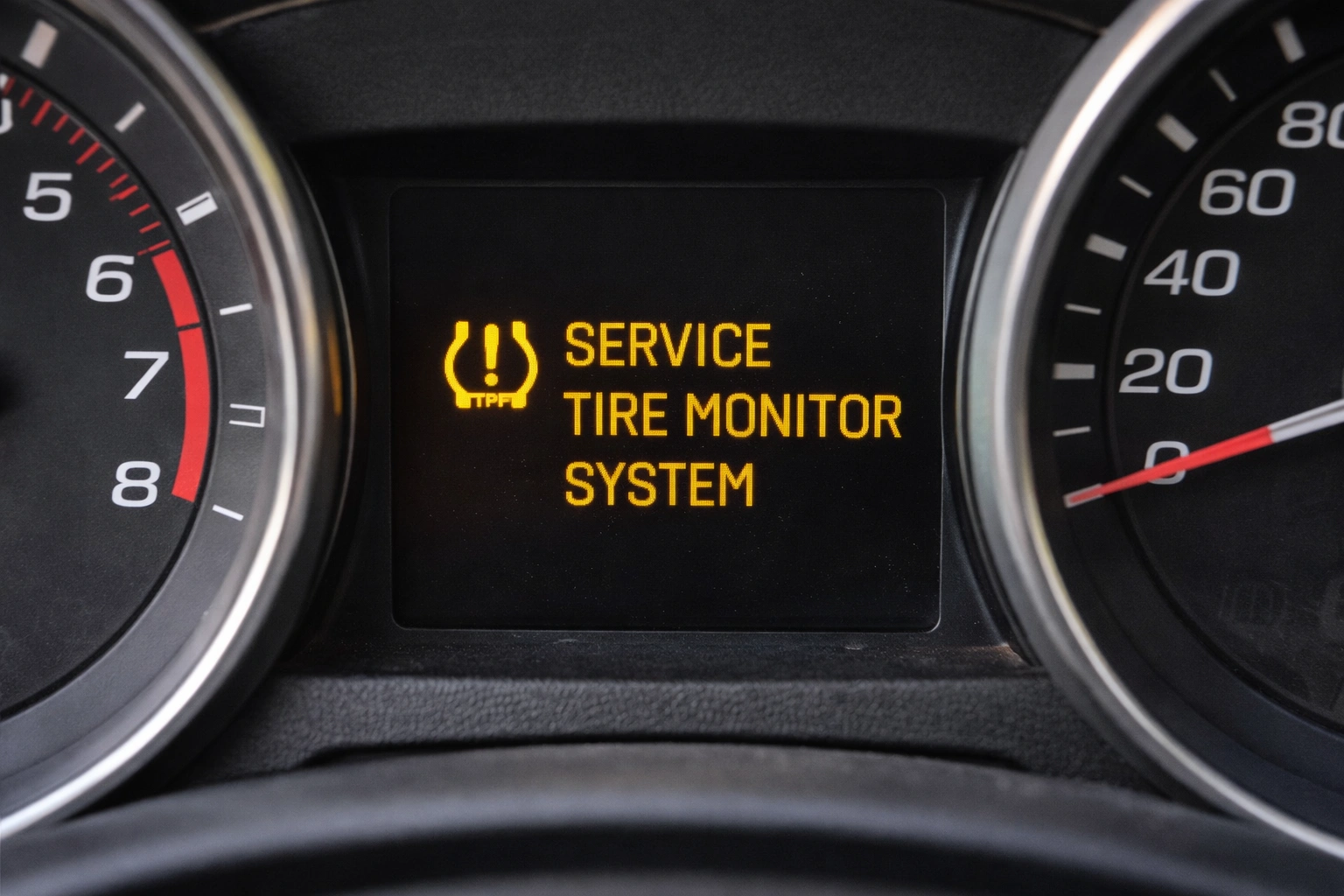
Modern vehicles rely on advanced safety systems to keep drivers informed about potential problems. One such feature is the Tire Pressure Monitoring System, commonly known as TPMS. When a dashboard message reads “Service Tire Monitor System,” it can create confusion. Unlike a simple low tire pressure warning, this message usually points to a malfunction within the monitoring system itself rather than the tire air level alone.
Tire pressure plays a critical role in safety, fuel efficiency, and tire longevity. Underinflated or overinflated tires can affect handling, braking distance, and overall stability. The monitoring system was introduced to help drivers stay aware of pressure changes in real time. When the system requires service, it means something in the detection or communication process is not working properly. Identifying the cause quickly ensures accurate pressure readings and restores the system’s protective function.
How The Tire Pressure Monitoring System Works
Direct And Indirect Monitoring Systems Explained
Vehicles typically use one of two types of monitoring systems: direct or indirect. Direct systems rely on pressure sensors mounted inside each wheel. These sensors measure air pressure and send wireless signals to the vehicle’s control module. If pressure drops below the recommended threshold, a warning light appears on the dashboard.
Indirect systems work differently. Instead of measuring air pressure directly, they use wheel speed sensors connected to the anti lock braking system. When a tire loses pressure, its diameter changes slightly, causing it to rotate at a different speed. The system detects this variation and triggers a warning.
Vehicles such as the Chevrolet Silverado 1500 and Toyota RAV4 commonly use direct TPMS systems. Each approach has advantages, but both aim to alert drivers before unsafe pressure levels affect vehicle stability.
Communication Between Sensors And Control Module
In direct systems, small battery powered sensors transmit radio signals to a receiver. The control module interprets these signals and displays pressure readings on the instrument cluster.
Each sensor has a unique identification code so the system can distinguish between wheels. When sensors fail to transmit properly, the system cannot provide accurate data. That is when the service message may appear.
Wireless communication must remain consistent. Interference, weak batteries, or damaged sensors can disrupt this connection.
A properly functioning system provides reliable real time pressure updates.
Common Reasons For Service Tire Monitor System Warning
Dead Or Weak TPMS Sensor Battery
Direct TPMS sensors contain internal batteries that typically last between five and ten years. Once the battery weakens, the sensor may stop transmitting pressure data.
When this happens, the system detects a communication failure and displays the service message instead of a simple low pressure alert.
Battery replacement usually requires installing a new sensor, as most TPMS units are sealed and not serviceable.
Older vehicles often experience this issue as sensors reach the end of their lifespan.
Damaged Or Faulty Sensors
Tire changes, potholes, or improper installation can damage sensors. A cracked housing or broken valve stem may prevent accurate readings.
Corrosion around the valve stem can also interfere with signal transmission. Harsh weather conditions contribute to sensor wear over time.
If one sensor fails, the system may disable overall monitoring and prompt service attention.
Inspection during tire replacement helps prevent accidental damage.
Relearn Or Calibration Issues
After rotating tires or replacing a sensor, the system may require recalibration. Each sensor must be correctly paired with its position on the vehicle.
Failure to complete the relearn procedure can trigger the service message. Some vehicles perform automatic relearning, while others require manual programming.
Consulting the owner’s manual ensures the correct reset procedure.
Proper calibration restores accurate pressure readings.
What To Do When The Warning Appears
Start by checking all four tires with a reliable pressure gauge. Inflate each tire to the manufacturer’s recommended level listed on the driver side door placard.
If the warning remains after correct inflation, the issue likely involves a sensor or communication fault.
Using a diagnostic scan tool can identify which sensor is malfunctioning. Repair shops and tire centers often have equipment designed to test TPMS sensors quickly.
Avoid ignoring the message. Without proper monitoring, gradual pressure loss may go unnoticed.
Prompt service maintains both safety and system accuracy.
Cost And Maintenance Considerations
Replacing a single TPMS sensor typically costs between $50 and $150 depending on vehicle model and labor rates. Programming fees may add to the total.
Routine tire maintenance reduces stress on sensors. Careful handling during tire mounting prevents accidental damage.
Vehicles like the Ford Escape incorporate TPMS as a standard safety feature. Keeping the system functional ensures compliance with safety regulations.
Regular inspection during tire service helps extend sensor lifespan.
The “Service Tire Monitor System” message indicates a malfunction within the tire pressure monitoring system rather than simply low air pressure. Common causes include dead sensor batteries, damaged components, or calibration issues.
Addressing the problem promptly restores accurate pressure monitoring and supports safe vehicle operation. Maintaining proper tire pressure and functional sensors protects handling performance, tire longevity, and overall road safety.