

Sedans have changed quietly over the last few years. While SUVs still dominate headlines, modern sedans have become more refined, more efficient, and far more comfortable than many buyers expect.
One feature that has played a big role in this shift is the panoramic sunroof. In 2026, it’s no longer limited to high-end luxury models—it now appears in well-equipped family sedans and mid-size cars as well.
This article is written for buyers who like sedans but want a more open, airy cabin without moving to a taller vehicle. It’s also for owners who are unsure whether a panoramic sunroof is worth the added cost, maintenance, and long-term ownership considerations.
Rather than selling the idea, this guide explains how panoramic sunroofs actually work in everyday use, where they add value, and where they can become a drawback. The goal is simple: help you decide if this feature truly fits your driving habits, climate, and ownership plans.
Sources and Research Note
Pricing estimates are derived from aggregated market data provided by Kelley Blue Book (KBB), TrueCar, Cars.com, Autotrader, and CarGurus, reflecting prevailing U.S. transaction ranges rather than advertised list prices.
Vehicle specifications, interior configurations, and performance metrics were verified using manufacturer technical releases and independently validated through MotorTrend, Car and Driver, Edmunds, and comparable automotive research publications.
What a Panoramic Sunroof Really Means in 2026
A panoramic sunroof is best understood as a design and comfort feature, not a performance upgrade. In most sedans, it consists of a large fixed glass panel over the rear seats and a smaller opening panel at the front. The emphasis is on natural light, not airflow.
Modern designs usually include:
- UV- and heat-rejecting laminated glass
- Power-operated sunshades
- Anti-pinch and safety sensors
What many buyers don’t realize is that panoramic sunroofs vary greatly in glass quality, insulation, and long-term durability. Two cars may look similar on paper but feel very different after a year of ownership.
Why Sedan Buyers Want Panoramic Sunroofs
From an industry standpoint, panoramic sunroofs help sedans compete with SUVs on perceived space. A lower roofline can feel tight without extra light, especially for rear passengers.
Common buyer motivations include:
- Making dark interiors feel brighter
- Improving rear-seat comfort
- Adding a premium touch without stepping into a luxury brand
That said, popularity doesn’t mean universal suitability.
5 Best Sedans with Panoramic Sunroofs in 2026
Below are notable 2026 sedans where panoramic sunroofs are widely available or standard on select trims.
1. Hyundai Sonata (2026)
The 2026 Hyundai Sonata continues to offer one of the most accessible panoramic sunroof setups in the mid-size sedan segment. Its design prioritizes cabin brightness and comfort rather than dramatic styling.
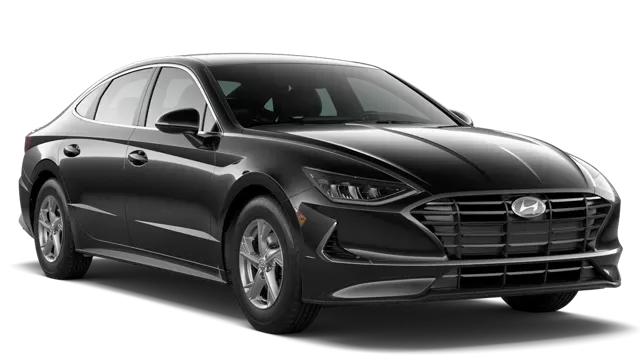
The glass area is large enough to benefit rear passengers, and the power sunshade does a reasonable job of managing heat in warm conditions. Hyundai’s focus on value means the panoramic roof is available without forcing buyers into the most expensive trim levels.
However, long-term owners should be aware that sunshade motors and drainage channels need basic upkeep. It’s a good option for buyers who want the feature for everyday comfort, but not ideal for those seeking maximum rear headroom or a sport-focused setup.
2. Honda Accord (2026)
Honda takes a conservative approach with the Accord’s panoramic sunroof. Instead of maximizing size, the focus is on structural integrity and long-term reliability.
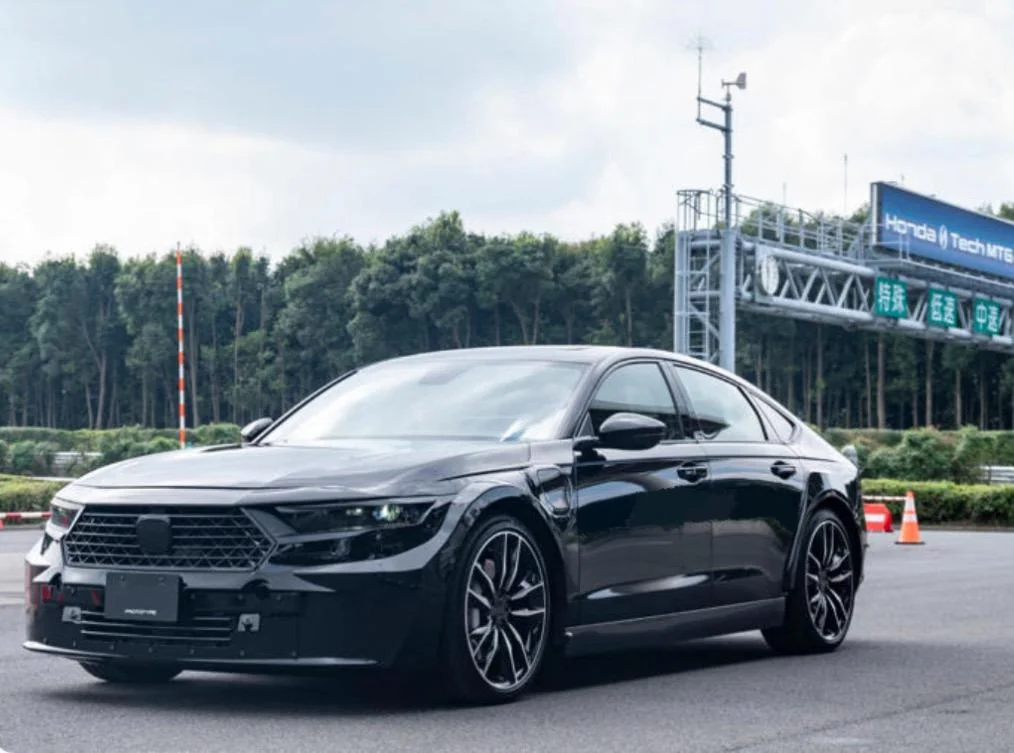
The glass is well-insulated, and road noise intrusion is minimal, even at highway speeds. Rear passengers benefit from improved light without feeling exposed. The limitation is availability—it’s typically reserved for higher trims, increasing overall cost.
The opening section is also smaller than some rivals, which may disappoint buyers expecting a more open feel. For drivers who prioritize durability and a calm cabin over visual drama, the Accord’s setup makes sense.
3. Toyota Camry (2026)
The 2026 Toyota Camry treats the panoramic sunroof as a comfort enhancement rather than a centerpiece feature. The design emphasizes longevity, with thick glass and well-sealed drainage systems.
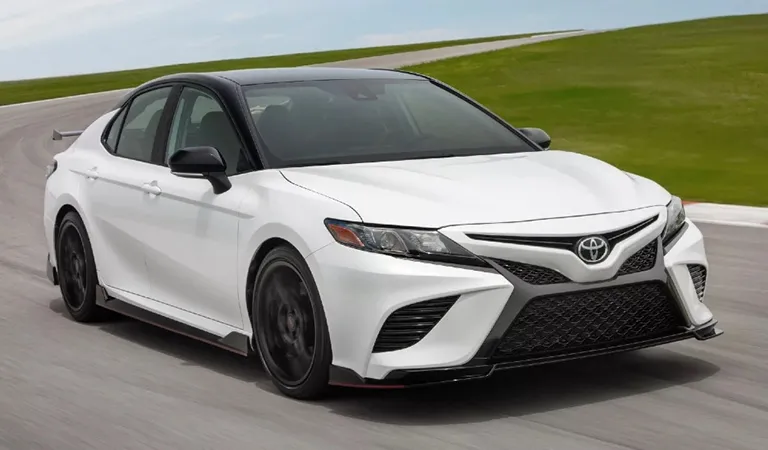
It brightens the interior effectively, especially in darker trims, but doesn’t feel oversized or intrusive. Toyota’s approach appeals to buyers who plan to keep their cars for many years.
The trade-off is that the cabin doesn’t feel as visually dramatic as some competitors. It’s a practical choice, not an emotional one, and works best for owners who value reliability over novelty.
4. Kia K5 (2026)
The Kia K5 uses its panoramic sunroof to enhance its sporty, low-slung design. The large glass area creates a striking cabin atmosphere, especially for rear passengers.
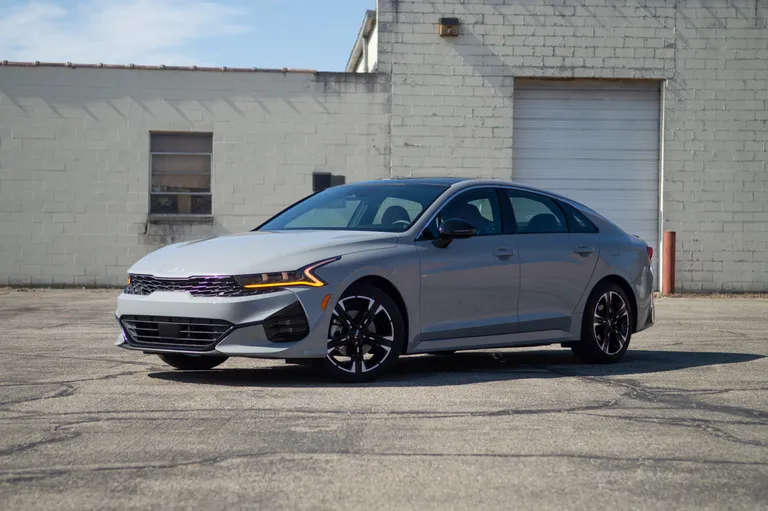
It feels more premium than the price suggests, which is a strong selling point. However, the sloping roofline means rear headroom is slightly compromised, and heat buildup can be noticeable in very hot climates if the sunshade isn’t used consistently.
This setup suits buyers who value style and cabin ambiance, but it’s not the best choice for tall rear occupants or regions with extreme heat.
5. BMW 3 Series (2026)
In luxury sedans, panoramic sunroofs are about refinement rather than size. The BMW 3 Series uses high-quality acoustic glass to maintain a quiet cabin, even with the sunshade open. Materials feel solid, and the mechanism operates smoothly.
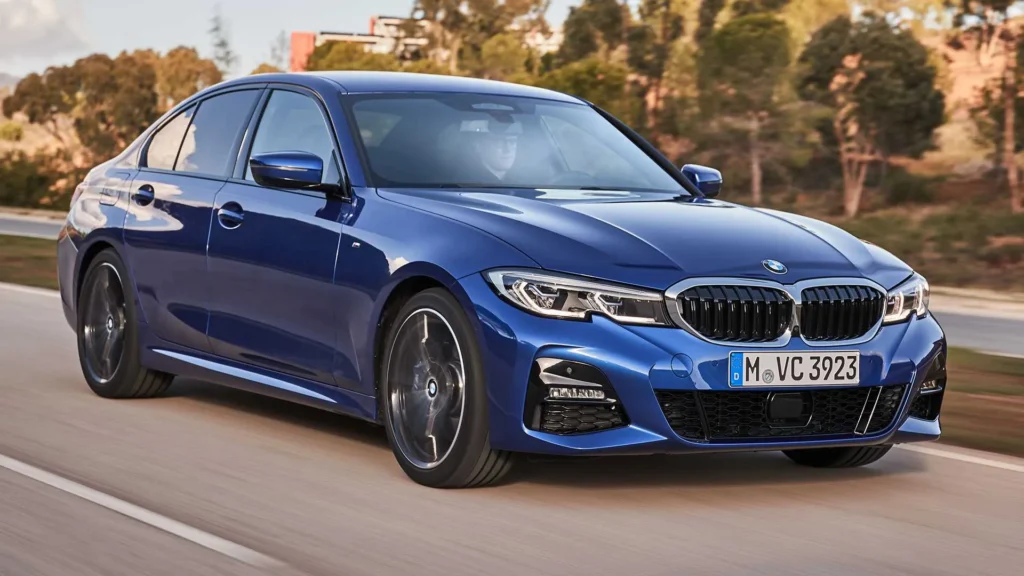
The downside is cost—both upfront and long-term. Repairs can be expensive, and the feature usually comes bundled with higher trims or option packages.
It’s best suited for buyers who lease or maintain their vehicles under warranty, rather than those focused on long-term ownership with minimal expenses.
Price & Specification Comparison
Pros and Cons
Pros
- Makes interiors feel more spacious
- Improves rear-seat comfort
- Enhances resale appeal in higher trims
Cons
- Increased cabin heat in sunny climates
- Higher repair and insurance costs
- Slight loss of headroom
- Added weight
Not recommended if:
You live in extremely hot regions, park outdoors daily, or plan to keep the car for a decade with minimal maintenance spending.
Practical ownership insights most buyers overlook
- Drain maintenance matters. Most leaks come from clogged drains, not faulty glass.
- Sunshades are not optional. Regular use protects interior materials.
- Insurance coverage varies. Glass roofs may fall under separate claim categories.
These are small details, but they shape long-term satisfaction.
Common buyer mistakes
- Choosing a trim solely for the sunroof
- Ignoring climate suitability
- Assuming luxury equals lower maintenance
A panoramic sunroof should complement your lifestyle, not complicate it.
Frequently Asked Questions
Does a panoramic sunroof affect fuel efficiency?
Only slightly. The added weight has a minor impact.
Are panoramic sunroofs safe in accidents?
Yes. They meet modern crash and rollover safety standards.
Do they always leak over time?
No. Most issues come from neglected drainage systems.
Can I reduce heat buildup?
Yes—use the sunshade and choose models with UV-treated glass.
Conclusion
A panoramic sunroof can meaningfully improve the sedan experience, especially for passengers and long-distance comfort. However, it’s not a universal upgrade. Climate, ownership duration, and maintenance habits matter more than brochure appeal.
When chosen thoughtfully, it adds comfort and value. When chosen blindly, it adds cost and complexity.