
A steering wheel is one of the most important control points in any vehicle, directly connected to safety and handling. When it suddenly refuses to move or becomes extremely stiff, it creates immediate concern. This issue can happen in parked cars, during ignition, or even while driving, depending on the cause. In most cases, it is linked to a built-in security feature or a mechanical fault that needs attention.
Modern vehicles are designed with steering lock systems to prevent theft, but these systems can sometimes catch drivers off guard. Other causes, such as ignition problems or power steering failure, can make the situation more serious. Knowing the exact reason behind a locked steering wheel helps in resolving it quickly and safely.
With the right approach, many cases can be handled without professional help, while others require proper diagnosis. A clear understanding of causes, solutions, and prevention methods ensures confidence in handling this issue.
Common Causes Of Steering Wheel Lock Up
Steering Lock Mechanism And Ignition Interaction
Most vehicles are equipped with a steering lock mechanism that activates when the key is removed from the ignition. This feature prevents the wheel from turning, adding an extra layer of security. When the steering wheel is slightly turned after removing the key, it locks into place, making it difficult to move.
The problem arises when pressure is applied to the wheel while inserting the key again. This creates tension between the lock pin and the steering column, preventing the key from turning. As a result, both the ignition and steering wheel remain stuck.
This situation is very common and does not indicate a fault. It simply requires releasing the tension by gently turning the wheel while turning the key. Once the pressure is relieved, the lock disengages, and normal operation resumes.
Drivers often panic when this happens, but it is a standard safety function rather than a mechanical failure. Learning how this system works can save time and avoid unnecessary repairs.
Ignition Cylinder Wear And Key Issues
Over time, the ignition cylinder can wear out, especially in vehicles that are frequently used. The internal components become less precise, making it harder for the key to engage properly. When this happens, the steering lock may not release smoothly.
A worn or damaged key can also contribute to the problem. If the key is bent or its grooves are worn down, it may not align correctly with the ignition cylinder. This prevents the cylinder from turning, keeping the steering wheel locked.
Dirt and debris inside the ignition can further worsen the situation. Dust particles can block smooth movement, causing the key to stick or fail to turn completely. Regular cleaning and using a spare key can help identify whether the issue lies with the key or the cylinder.
Ignoring these signs can lead to complete ignition failure, which requires replacement of the cylinder or even the entire ignition assembly.
Power Steering Failure And Mechanical Problems
In some cases, the steering wheel may feel locked due to a failure in the power steering system. This does not mean the wheel is physically locked, but it becomes extremely hard to turn. Power steering relies on hydraulic or electric assistance to reduce effort while steering.
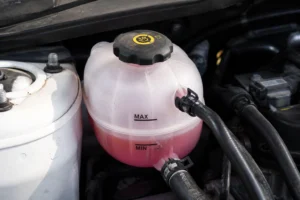
Low power steering fluid is a common cause in hydraulic systems. When the fluid level drops, the system cannot generate enough pressure, making steering stiff. Leaks in the system can also lead to sudden loss of assistance.
In electric power steering systems, faults in sensors or motors can cause similar issues. Warning lights may appear on the dashboard, indicating a problem that requires attention.
Mechanical issues such as a damaged steering rack or seized components can also restrict movement. These problems are more serious and usually require professional repair.
How To Fix A Locked Steering Wheel
Simple Method To Unlock Steering And Start Car
The most effective way to unlock a steering wheel involves a simple technique that balances both the key and the wheel. Insert the key into the ignition and apply gentle pressure to turn it. At the same time, try turning the steering wheel slightly in both directions.
The wheel will usually have a small range of movement even when locked. Turning it in the direction where it moves slightly helps release the pressure on the locking pin. Once the tension is reduced, the key should turn smoothly, unlocking the steering wheel.
It is important to avoid using excessive force. Forcing the key or the wheel can damage internal components, leading to more expensive repairs. A calm and controlled approach works best in most situations.
Repeating this process a few times may be necessary if the lock is tight. Patience plays a key role in resolving this issue without causing additional damage.
Fixing Ignition And Key Related Problems
If the steering wheel remains locked even after trying the basic method, the issue may lie in the ignition system. Start by inspecting the key for visible damage. Using a spare key can help determine whether the original key is worn out.
Applying a small amount of graphite lubricant inside the ignition cylinder can improve movement. This reduces friction and helps the key turn more smoothly. Avoid using oil-based lubricants, as they can attract dust and worsen the problem over time.
If the ignition cylinder is severely worn, it may need replacement. This process involves removing the steering column cover and installing a new cylinder. Professional assistance is recommended for this repair to ensure proper installation.
Regular maintenance of the ignition system can prevent these issues from developing in the first place.
Addressing Power Steering And Mechanical Faults
When the steering wheel feels stiff rather than completely locked, checking the power steering system is essential. Start by inspecting the fluid level if the vehicle uses hydraulic steering. Low fluid should be topped up with the recommended type.
Leaks in the system should be repaired promptly to prevent further loss of fluid. Hoses, seals, and the steering rack are common areas where leaks occur.
For vehicles with electric power steering, diagnostic tools may be required to identify faults. Issues with sensors or control modules can affect steering performance and require professional repair.
Mechanical faults such as worn steering racks or damaged linkages should not be ignored. These components are critical for safe operation and must be repaired or replaced by qualified technicians.
Preventing Steering Wheel Lock Issues
Proper Parking And Key Handling Habits
Developing good parking habits can significantly reduce the chances of steering wheel lock problems. Avoid turning the steering wheel after removing the key, as this activates the lock mechanism unnecessarily.
Keeping the front wheels straight before turning off the engine helps minimize tension in the steering system. This simple habit makes it easier to unlock the wheel later.
Handling the key carefully also plays a role. Avoid using excessive force when inserting or turning the key. Keeping the key clean and free from damage ensures smooth operation of the ignition system.
These small practices can prevent common issues and extend the life of both the steering lock and ignition components.
Regular Maintenance And Inspection
Routine maintenance helps identify potential problems before they become serious. Checking the power steering fluid level, inspecting for leaks, and ensuring all components are in good condition can prevent sudden steering issues.
Periodic inspection of the ignition system is also important. Cleaning the ignition cylinder and replacing worn keys can improve reliability.
Listening for unusual noises while turning the steering wheel can provide early warning signs of mechanical problems. Addressing these issues early reduces the risk of complete failure.
A well-maintained vehicle is less likely to experience unexpected steering lock problems, ensuring smoother operation over time.
Recognizing Early Warning Signs
Paying attention to early signs can help avoid sudden steering lock situations. Difficulty in turning the key, stiffness in the steering wheel, or unusual noises should not be ignored.
These symptoms often indicate underlying issues that can worsen if left untreated. Taking action at the first sign of trouble can prevent more serious problems.
Dashboard warning lights related to the steering system should also be taken seriously. They provide valuable information about the condition of the vehicle and should be checked promptly.
Being proactive in identifying and addressing these signs ensures safer and more reliable vehicle operation.
When To Seek Professional Help
Situations That Require Immediate Attention
Certain situations require professional intervention without delay. If the steering wheel remains completely locked and the key does not turn at all, it may indicate a serious ignition or locking mechanism failure.
Steering issues that occur while driving are particularly dangerous. Sudden stiffness or loss of control should be addressed immediately to avoid accidents.
Unusual noises, vibrations, or warning lights related to the steering system also require professional diagnosis. These signs often point to underlying mechanical or electrical problems.
Ignoring these issues can lead to more severe damage and higher repair costs.
Choosing The Right Repair Approach
Selecting a reliable repair shop ensures that the problem is diagnosed and fixed correctly. Experienced technicians can identify the root cause and recommend the best solution.
Using genuine or high-quality replacement parts improves durability and performance. Cheap or incompatible parts may lead to recurring issues.
Getting a detailed estimate before starting repairs helps in understanding the cost and scope of work. Transparency in pricing and service builds trust and ensures a smooth repair process.
Professional repairs may seem costly at first, but they provide long-term reliability and peace of mind.
Long Term Care For Steering System
Maintaining the steering system over time requires consistent care and attention. Regular servicing, proper fluid levels, and timely replacement of worn components keep the system functioning smoothly.
Avoiding harsh driving conditions and excessive strain on the steering system also helps extend its lifespan. Gentle handling and smooth operation reduce wear and tear.
Keeping the vehicle in good condition ensures that all systems, including steering, work together efficiently. This contributes to overall safety and performance.
A proactive approach to maintenance reduces the likelihood of unexpected issues and ensures a dependable driving experience.
Final Thoughts
A locked steering wheel can feel alarming, but in many cases, it is a simple issue with an easy solution. Knowing the difference between a normal security feature and a mechanical fault helps in handling the situation calmly.
Simple techniques can resolve most cases, while more complex problems require professional attention. Regular maintenance and good driving habits play a key role in preventing such issues.
Staying informed about how the steering system works allows for quicker troubleshooting and better decision-making. With the right knowledge and approach, steering wheel lock problems can be managed effectively without unnecessary stress.