A vehicle depends on a steady supply of electrical power to start, run, and keep essential systems working. The battery provides the initial burst needed to start the engine, while the alternator takes over once the engine is running, supplying power and recharging the battery. When the alternator begins to fail, the balance between these two components is disrupted, often leading to starting problems and electrical issues.
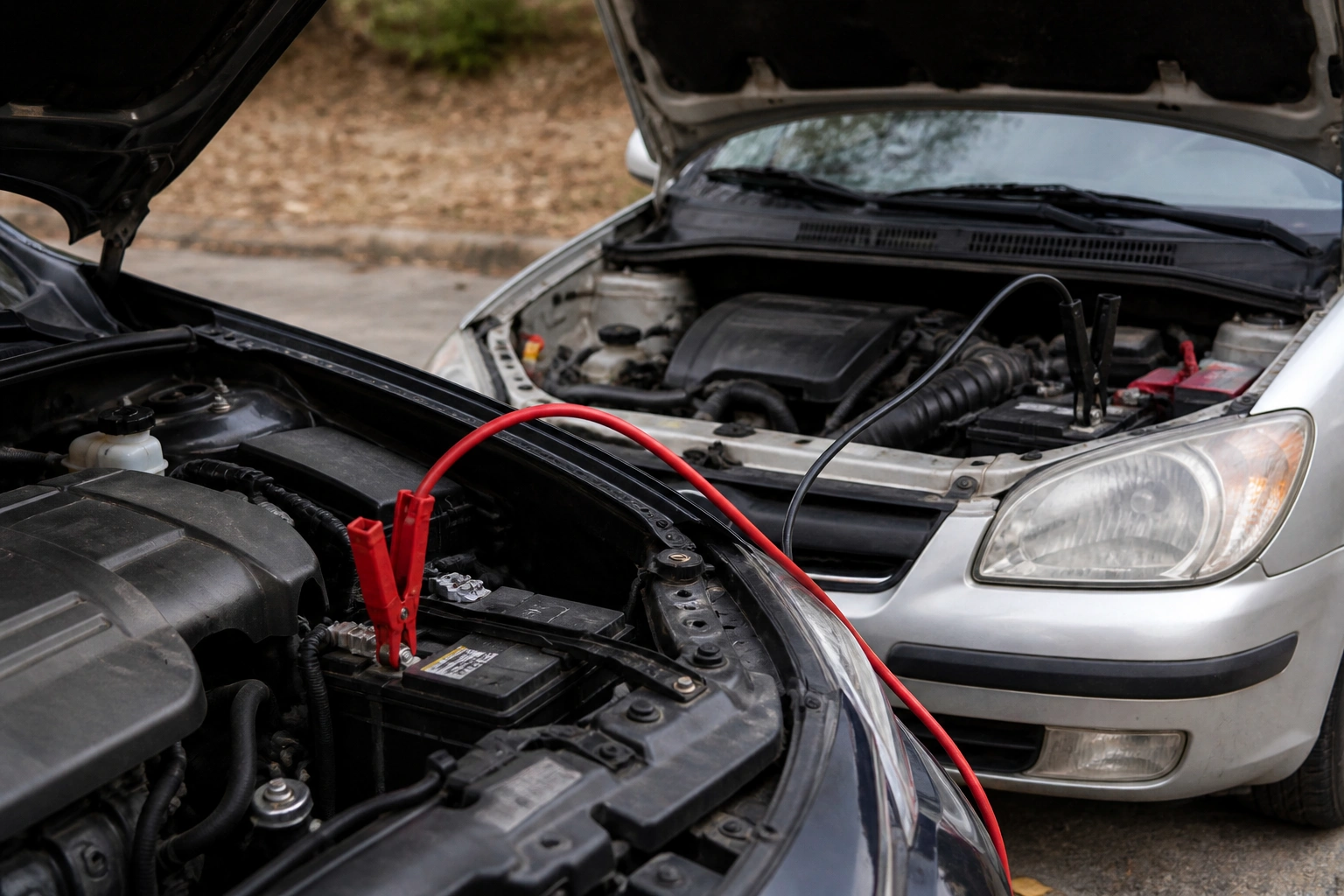
A common question that arises in this situation is whether a car can still be jump-started with a failing alternator. The answer is not as simple as a yes or no. A jump start may get the engine running temporarily, but it does not fix the underlying problem.
Knowing how the system works, what to expect after a jump start, and how long the car can run helps in handling the situation safely. Taking the right steps ensures that the vehicle can be moved without causing further damage.
How Alternator And Battery Work Together
Role Of The Alternator In Charging System
The alternator is responsible for generating electrical power while the engine is running. It converts mechanical energy from the engine into electricity, which is then used to power various components such as lights, ignition systems, and electronic controls.
At the same time, the alternator recharges the battery. This ensures that the battery remains ready for the next engine start. Without a functioning alternator, the battery becomes the sole source of power, which is not sustainable for long periods.
The alternator operates continuously while the engine is running. It maintains voltage levels and ensures that electrical systems function properly.
A failure in the alternator disrupts this process, leading to gradual battery drain and eventual loss of power.
How Battery Supports Engine Start
The battery provides the initial electrical energy required to start the engine. When the ignition key is turned, the battery sends power to the starter motor, which cranks the engine.
Once the engine starts, the alternator takes over the role of supplying power. The battery then shifts to a supporting role, storing energy for future use.
If the alternator fails, the battery continues to power the vehicle’s electrical systems. However, it cannot sustain this load for long, leading to eventual discharge.
Understanding this relationship helps explain why a jump start may only provide a temporary solution.
What Happens When Alternator Fails
When the alternator fails, the battery begins to lose charge as it powers the vehicle alone. Over time, this leads to dim lights, reduced performance of electrical components, and eventually a complete shutdown.
The vehicle may start normally at first, but the battery will gradually weaken. Warning signs such as a battery light on the dashboard often appear before complete failure.
Once the battery is drained, the engine will no longer start. At this point, a jump start may be required to get the vehicle running again.
However, without a working alternator, the battery will not recharge, and the problem will repeat.
Can You Jumpstart A Car With A Bad Alternator
What Happens After Jump Starting
A jump start provides temporary power to the battery, allowing the engine to start. Once the engine is running, the vehicle may operate normally for a short period.
However, since the alternator is not functioning properly, the battery continues to supply power without being recharged. This means that the vehicle is essentially running on borrowed energy.
As the battery drains, electrical systems may begin to fail. Lights may dim, and the engine may lose power.
Eventually, the vehicle will shut down once the battery is depleted.
How Long The Car Can Run After Jump Start
The duration a car can run after a jump start depends on the battery’s condition and the electrical load. A fully charged battery may allow the vehicle to run for a short distance, often ranging from a few minutes to around 30 minutes.
Using fewer electrical components, such as turning off the air conditioning and lights, can help extend this time slightly. However, this is only a temporary measure.
Driving longer distances without a functioning alternator is not reliable. The battery will eventually lose all charge, leaving the vehicle stranded.
Planning a short trip to a repair location is the safest approach.
Situations Where Jump Start May Not Work
In some cases, a jump start may not work at all. If the battery is completely damaged or unable to hold a charge, the engine may not start even with external power.
Severe alternator failure can also affect other components, preventing the engine from running properly. Additionally, electrical system faults may interfere with the starting process.
Repeated attempts to jump start in such conditions may not be effective and can strain the battery further.
Identifying the root cause helps determine whether a jump start is a viable option.
Signs Of A Bad Alternator
Warning Lights And Electrical Issues
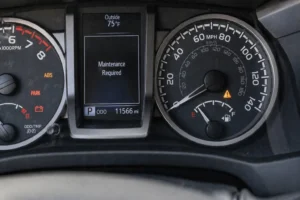
One of the earliest signs of alternator problems is the appearance of a battery warning light on the dashboard. This light indicates that the charging system is not functioning correctly.
Other electrical issues may include dim headlights, flickering interior lights, and malfunctioning accessories. These symptoms often appear gradually as the battery loses charge.
Electronic systems may behave unpredictably, affecting performance and reliability.
Recognizing these signs early helps prevent complete failure.
Engine Stalling And Loss Of Power
A failing alternator can cause the engine to stall unexpectedly. As the battery loses charge, it may not provide enough power to keep the engine running.
This can happen while driving, especially if multiple electrical systems are in use. The vehicle may lose power gradually before shutting down completely.
Restarting the engine becomes increasingly difficult as the battery weakens.
Addressing the issue promptly prevents dangerous situations.
Strange Noises From Alternator
Unusual noises such as grinding or whining may indicate internal problems within the alternator. These sounds can result from worn bearings or damaged components.
The noise may become more noticeable as the alternator continues to deteriorate. Ignoring it can lead to complete failure.
Inspecting and repairing the alternator early prevents further damage.
Quick Comparison Battery Vs Alternator Issues
| Symptom | Battery Problem | Alternator Problem |
| Car Won’t Start | Common | Possible |
| Starts After Jump Start | Yes | Yes (Temporary) |
| Dies While Driving | Rare | Common |
| Dim Lights | Possible | Common |
| Warning Light On Dashboard | Sometimes | Often |
What To Do If Alternator Is Bad
Safe Steps After Jump Starting
After successfully jump-starting the vehicle, the priority should be reaching a safe location or repair facility. Avoid unnecessary driving and limit the use of electrical components.
Turning off non-essential systems helps conserve battery power. Keeping the route short reduces the risk of the vehicle shutting down.
Monitoring warning signs during the drive ensures better control of the situation.
Taking these precautions helps avoid further complications.
Repair Or Replacement Options
A faulty alternator usually requires repair or replacement. Minor issues such as worn belts or loose connections may be fixed easily, but internal damage often requires replacement.
The cost of replacement varies depending on the vehicle and labor. Investing in a quality replacement ensures long-term reliability.
Professional inspection helps determine the best course of action.
Addressing the issue promptly restores proper function.
Preventing Future Alternator Problems
Regular maintenance helps extend the life of the alternator. Checking belts, connections, and electrical systems ensures proper operation.
Avoiding excessive electrical load and addressing issues early reduces strain on the system.
Routine inspections help identify potential problems before they become severe.
Maintaining the charging system ensures consistent performance.
Key Points To Remember
A jump start can temporarily get a car running even with a bad alternator, but it does not solve the underlying issue. The vehicle will continue to rely on the battery, which will eventually lose charge and cause the engine to stop. Using this method only to reach a repair location is the safest approach. Timely replacement of the alternator ensures reliable performance and prevents repeated starting problems.
Frequently Asked Questions?
Can You Drive A Car With A Bad Alternator After Jump Start?
Yes, but only for a short distance until the battery loses charge.
How Long Will A Car Run With A Bad Alternator?
It may run for a few minutes to around 30 minutes depending on battery condition.
Will Jump Starting Damage The Car?
No, but repeated jump starts without fixing the alternator can strain the battery.
Can A Bad Alternator Drain A Battery Overnight?
Yes, it can prevent the battery from charging and lead to a drained battery.
Is Alternator Replacement Expensive?
Costs vary, but it typically ranges from moderate to high depending on the vehicle.