The car cigarette lighter plug has evolved from a simple heating element into one of the most versatile power sources inside a vehicle. Once designed only to light cigarettes, it now serves as a convenient 12-volt outlet that powers a wide range of devices. From charging smartphones to running portable compressors, this small socket plays a much larger role in everyday driving.
Modern vehicles often include one or more of these outlets, sometimes labeled as a 12V power socket rather than a lighter. Despite the change in usage, the design remains largely the same, making it compatible with many accessories.
A properly functioning plug ensures that essential devices stay powered on the road. When issues arise, it can affect convenience and safety. Knowing how it works, what it supports, and how to fix common problems helps make the most of this simple yet essential feature.
What Is Car Cigarette Lighter Plug And How It Works
Basic Design And Function Of The Socket
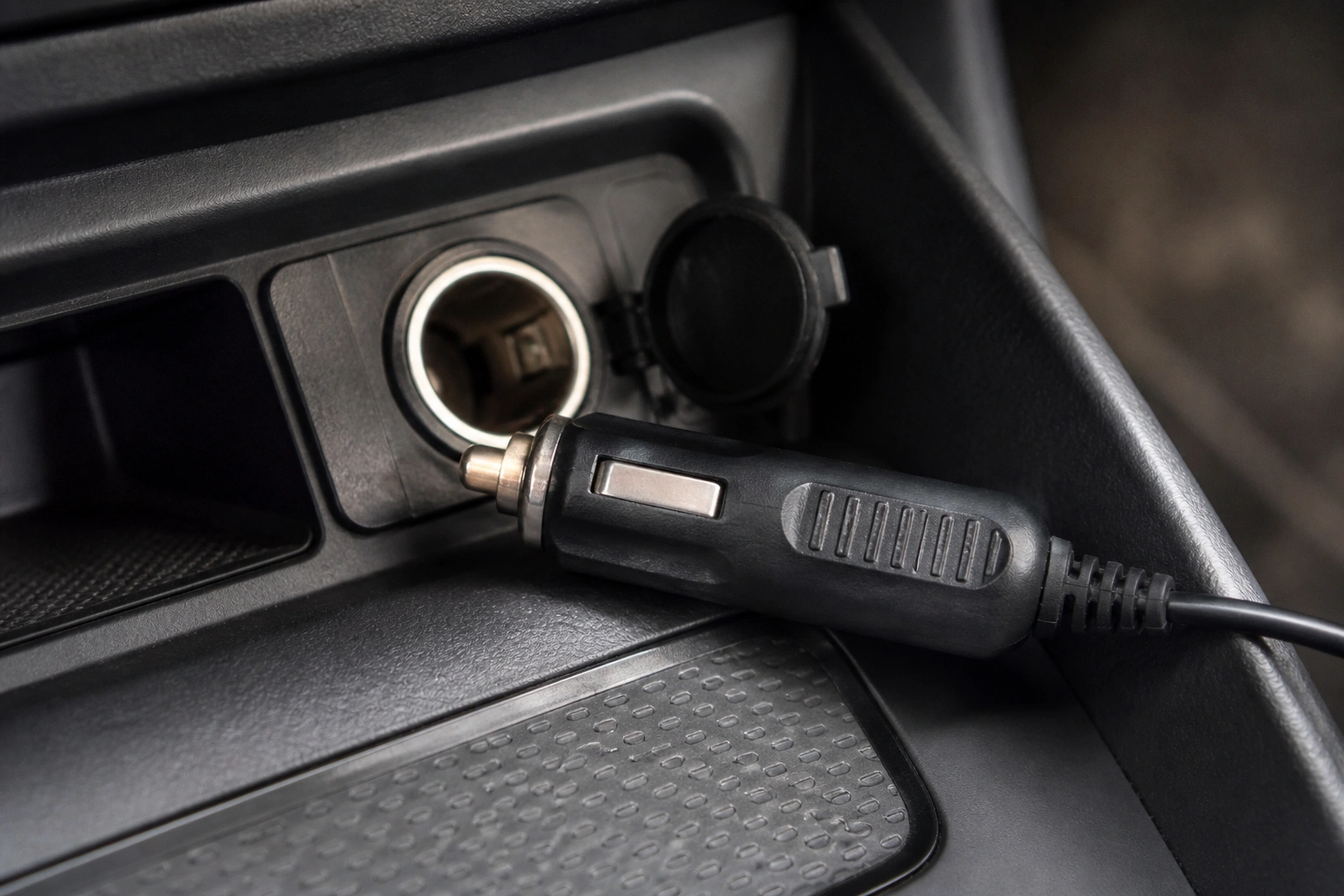
The car cigarette lighter plug is essentially a 12-volt electrical socket connected to the vehicle’s battery. It is designed to supply power to compatible devices through a cylindrical port located on the dashboard or center console. The socket includes a metal contact at the bottom and side contacts that complete the electrical circuit when a plug is inserted.
Originally, the plug was used with a heating element that would pop out once it reached a certain temperature. Today, most vehicles use the same socket design for powering accessories rather than heating elements. This allows for compatibility with a wide range of modern devices.
The simplicity of the design makes it reliable and easy to use. However, it also requires proper handling to ensure consistent performance and safety.
Understanding its structure helps in identifying issues and using it effectively.
Power Supply And Voltage Output
The cigarette lighter socket typically provides a 12-volt DC power supply. This voltage is sufficient for many automotive accessories, including chargers, lights, and small electronic devices. The power is drawn directly from the vehicle’s battery, which means it can be used even when the engine is off in some cases.
However, the available current depends on the vehicle’s electrical system and fuse rating. Exceeding this limit can cause the fuse to blow or damage connected devices. Most sockets are designed to handle moderate loads safely.
Some modern vehicles include additional protection features to prevent overheating or short circuits. These enhancements improve reliability and safety.
Knowing the voltage and current limits ensures proper use without risking damage.
Difference Between Old Lighter And Modern Power Outlet
Older vehicles included a dedicated cigarette lighter with a heating coil, while newer models often replace it with a power outlet. Although the appearance is similar, the function has shifted from heating to powering devices.
Modern outlets are often labeled clearly to avoid confusion. They may include additional features such as USB ports or protective covers. Despite these changes, the basic design remains compatible with traditional plugs.
This evolution reflects changing usage patterns, as drivers rely more on electronic devices than on the original purpose of the lighter.
The transition has made the socket more useful and relevant in today’s vehicles.
Common Uses Of Cigarette Lighter Plug
Charging Electronic Devices
One of the most common uses of the cigarette lighter plug is charging electronic devices. Adapters allow smartphones, tablets, and other gadgets to be powered directly from the vehicle.
These adapters convert the 12-volt supply into suitable voltage levels for different devices. Many include multiple ports, making it possible to charge more than one device at a time.
This convenience is especially valuable during long trips, ensuring that essential devices remain functional. It also reduces reliance on battery power alone.
Using high-quality adapters ensures efficient charging and protects connected devices.
Powering Car Accessories
The cigarette lighter socket supports a wide range of automotive accessories. These include portable air compressors, vacuum cleaners, dash cameras, and GPS units. Each accessory uses the socket as a convenient power source.
This versatility makes the socket an important feature for maintaining and enhancing the vehicle. Accessories can be used as needed without permanent installation.
However, it is important to ensure that the device does not exceed the socket’s power capacity. Overloading can lead to electrical issues.
Choosing compatible accessories ensures safe and effective use.
Emergency And Utility Applications
In addition to everyday use, the cigarette lighter plug can be used for emergency situations. Portable jump starters, tire inflators, and emergency lights often rely on this power source.
This makes it a valuable tool during unexpected situations on the road. Having the right accessories can help handle minor issues without external assistance.
The ability to power emergency equipment adds to the overall safety and convenience of the vehicle.
Keeping essential tools connected to this outlet ensures readiness for various situations.
Common Problems With Cigarette Lighter Plug
Socket Not Working Or No Power
A non-functioning socket is one of the most common issues. This can occur due to a blown fuse, loose connection, or internal damage. When the socket stops supplying power, connected devices will not operate.
Checking the fuse box is often the first step in diagnosing the problem. Replacing a blown fuse may restore functionality. If the issue persists, further inspection may be required.
Loose wiring or damaged contacts can also interrupt power flow. These issues may require professional repair.
Identifying the cause helps in restoring proper operation.
Loose Connection And Intermittent Power
A loose connection can cause intermittent power supply. The plug may not fit securely, leading to inconsistent performance. This can result in devices charging slowly or disconnecting unexpectedly.
Wear and tear over time can affect the socket’s internal contacts. Dirt or debris may also contribute to poor connection.
Cleaning the socket and ensuring proper fit can resolve minor issues. In some cases, replacing the socket may be necessary.
Maintaining a clean and secure connection ensures reliable performance.
Overheating And Fuse Blowing Issues
Overheating is another concern, especially when high-power devices are used. Excessive load can cause the socket to heat up, leading to potential damage or safety risks.
Blown fuses are often a result of overloading. This protects the electrical system but disables the socket until the fuse is replaced.
Using devices within the recommended power range prevents overheating. Monitoring usage helps avoid repeated issues.
Proper handling ensures safe operation of the socket.
Types Of Cigarette Lighter Plug Accessories
| Accessory Type | Function | Power Requirement |
| USB Charger | Charge Phones And Devices | Low |
| Air Compressor | Inflate Tires | Medium |
| Car Vacuum Cleaner | Clean Interior | Medium |
| Dash Camera | Record Driving Footage | Low |
| Portable Heater/Fan | Temperature Control | High |
How To Fix And Maintain Cigarette Lighter Plug
Checking Fuse And Electrical Connections
The first step in fixing a faulty socket is checking the fuse. The fuse box contains a dedicated fuse for the cigarette lighter, which protects the circuit from overload.
If the fuse is blown, replacing it with the correct rating restores power. Inspecting wiring connections ensures that there are no loose or damaged components.
This simple process often resolves common issues without requiring extensive repairs.
Regular checks help maintain proper function.
Cleaning The Socket Properly
Dirt and debris can accumulate inside the socket, affecting performance. Cleaning the socket using a soft tool or compressed air helps remove obstructions.
Ensuring that the contacts are clean improves electrical connection. Care should be taken to avoid damaging internal components.
Routine cleaning prevents buildup and maintains efficiency.
Keeping the socket clean ensures consistent operation.
Replacing Damaged Socket Or Adapter
If the socket is damaged, replacement may be necessary. This involves removing the old unit and installing a new one compatible with the vehicle.
Adapters and plugs should also be checked for wear. Using high-quality replacements ensures better performance and durability.
Professional assistance may be required for complex installations.
Replacing faulty components restores full functionality.
Key Points To Keep In Mind
The car cigarette lighter plug has become an essential feature for powering modern devices and accessories. Its versatility makes it useful for daily tasks as well as emergency situations. Proper use, regular maintenance, and attention to power limits ensure reliable performance.
Addressing issues such as blown fuses or loose connections early prevents further complications. Choosing quality accessories and keeping the socket clean helps maintain efficiency.
A well-maintained power outlet supports convenience, safety, and functionality throughout the vehicle’s lifespan.
Frequently Asked Questions?
What Is The Voltage Of A Car Cigarette Lighter Plug?
It typically provides a 12-volt DC power supply.
Can I Charge My Phone Using The Socket?
Yes, with a compatible adapter designed for charging devices.
Why Is My Cigarette Lighter Not Working?
Common causes include a blown fuse, loose connection, or damaged socket.
Is It Safe To Use High Power Devices?
Only if they are within the socket’s power limit to avoid overheating.
Can The Socket Work Without The Engine Running?
In many vehicles, yes, but it depends on the design and battery condition.