Steering is one of the most important systems in any vehicle, directly affecting control, safety, and overall stability. At the center of this system is the rack and pinion, a component that converts the movement of the steering wheel into motion that turns the wheels. When this system begins to fail, the change is often noticeable in how the vehicle responds to steering input.
Unlike sudden mechanical failures, rack and pinion problems usually develop gradually. Small issues such as fluid leaks or internal wear can grow over time, eventually affecting steering performance. Early signs may seem minor, but ignoring them can lead to serious safety concerns and costly repairs.
Recognizing the symptoms of a failing rack and pinion helps prevent further damage. With proper diagnosis and timely action, it becomes possible to restore steering precision and maintain safe handling on the road.
What Rack And Pinion Does In A Car
How The Steering System Works
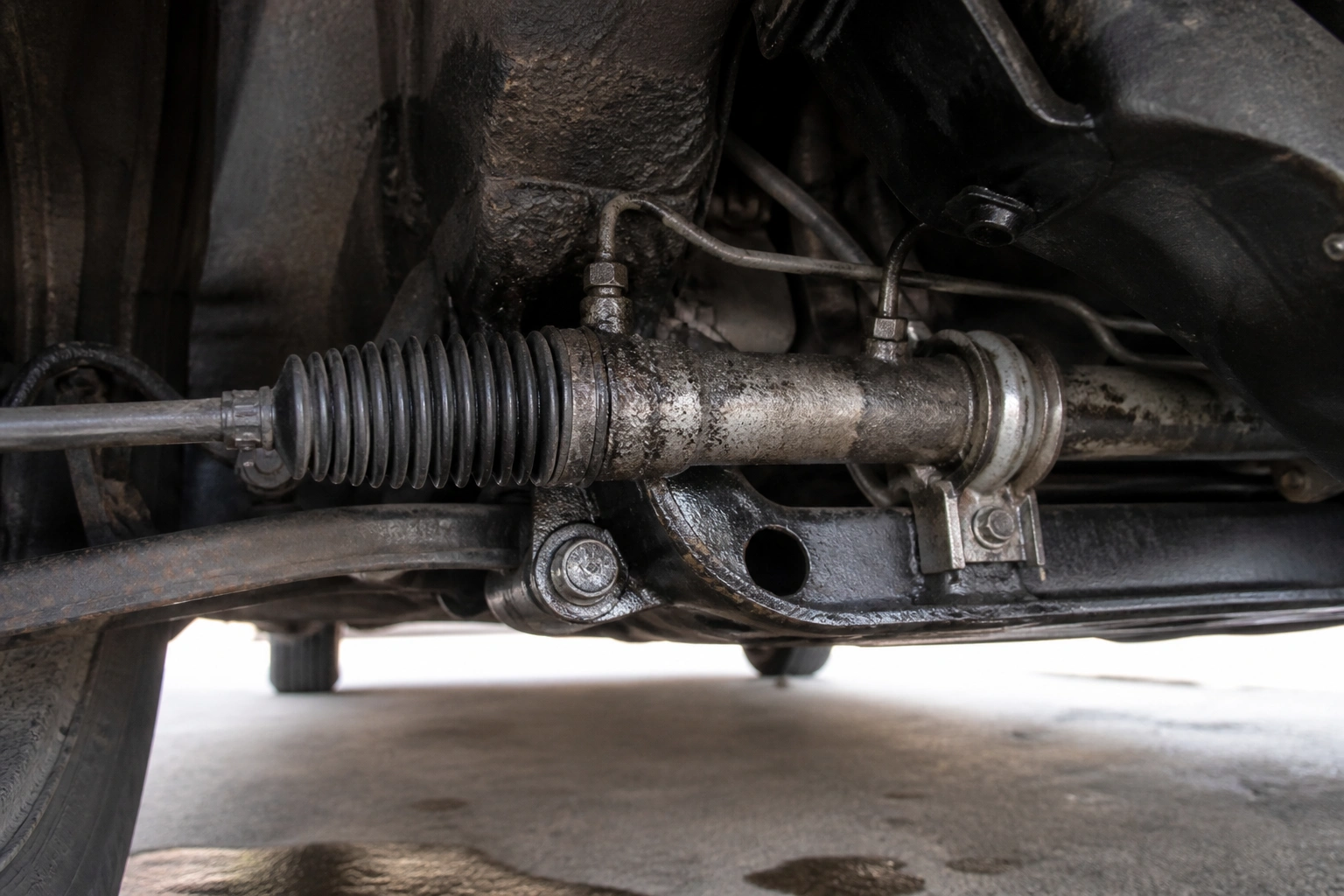
The rack and pinion system is responsible for translating the rotation of the steering wheel into the side-to-side movement needed to turn the wheels. When the steering wheel is turned, a small gear called the pinion rotates and moves the rack, which is a flat bar with teeth.
This movement pushes or pulls the wheels, allowing the vehicle to change direction. The system is designed to provide precise control and smooth response, making it widely used in modern vehicles.
Power steering systems, whether hydraulic or electric, assist this process by reducing the effort required to turn the wheel. This makes steering easier and more comfortable, especially at low speeds.
The combination of mechanical and assisted components ensures accurate and efficient steering control.
Components Inside Rack And Pinion Assembly
The rack and pinion assembly includes several parts that work together to ensure smooth operation. These include the rack, pinion gear, bushings, seals, and tie rods. Each component plays a specific role in maintaining stability and performance.
Seals are particularly important, as they keep power steering fluid contained within the system. Bushings help reduce vibration and maintain alignment, while tie rods connect the rack to the wheels.
Over time, these components can wear out or develop faults. This affects the overall performance of the system and leads to noticeable symptoms.
Understanding these parts helps in identifying where problems may occur.
Why Rack And Pinion Fails Over Time
Rack and pinion systems are subject to constant use and stress. Over time, wear and tear can affect internal components, leading to reduced performance. Factors such as road conditions, driving habits, and maintenance play a role in how quickly the system deteriorates.
Fluid leaks are a common cause of failure. When seals wear out, power steering fluid can escape, reducing lubrication and causing internal damage. Contaminated fluid can also accelerate wear.
External factors such as impacts from potholes or debris can damage the system. These stresses can misalign components and lead to uneven wear.
Regular maintenance helps extend the life of the rack and pinion and prevents major issues.
Common Symptoms Of A Bad Rack And Pinion
Hard Steering Or Stiff Wheel
One of the most noticeable signs of a failing rack and pinion is difficulty in turning the steering wheel. The wheel may feel stiff, especially at low speeds or when parking. This often indicates a problem with the power steering system or internal components.
Low or leaking power steering fluid can reduce the assistance provided by the system. This makes steering harder and less responsive. In some cases, internal wear within the rack can also cause resistance.
The stiffness may not be constant and can vary depending on driving conditions. However, any change in steering effort should be taken seriously.
Addressing this issue early helps prevent further damage and ensures safe handling.
Unusual Noises While Turning
A bad rack and pinion can produce unusual noises when the steering wheel is turned. These sounds may include clunking, grinding, or whining. Each type of noise can indicate a different issue within the system.
Grinding noises often suggest internal wear or lack of lubrication. Clunking sounds may indicate loose components or damaged bushings. Whining noises are commonly associated with low power steering fluid.
These noises may become more noticeable during sharp turns or when the vehicle is stationary. Ignoring them can lead to more severe problems.
Identifying the source of the noise helps in diagnosing the issue accurately.
Steering Wheel Play Or Loose Feel
Excessive play in the steering wheel is another sign of rack and pinion problems. The wheel may feel loose, requiring more movement before the vehicle responds.
This can be caused by worn internal components or damaged tie rods. The lack of precise control makes steering less predictable and can affect safety.
Drivers may notice delayed response when turning, especially at higher speeds. This reduces confidence and increases the risk of accidents.
Repairing or replacing the affected components restores proper steering response.
Signs Related To Power Steering Fluid Issues
Fluid Leaks Under The Vehicle
Power steering fluid leaks are a common indicator of rack and pinion problems. The fluid may appear as a reddish or brownish liquid under the vehicle, usually near the front.
Leaks occur when seals within the system wear out. This reduces the amount of fluid available for lubrication and pressure, affecting performance.
Ignoring leaks can lead to further damage and increased repair costs. Regular inspection helps detect leaks early.
Fixing the issue promptly ensures proper system operation.
Low Fluid Levels And Their Impact
Low power steering fluid levels can significantly affect steering performance. Without enough fluid, the system cannot provide adequate assistance, making the steering wheel harder to turn.
This condition can also cause overheating and increased wear within the system. Over time, it may lead to complete failure.
Checking fluid levels regularly helps maintain proper operation. Refilling the fluid may provide temporary relief, but the underlying cause should be addressed.
Maintaining proper fluid levels ensures smooth and reliable steering.
Contaminated Fluid And Internal Damage
Contaminated power steering fluid can damage internal components of the rack and pinion. Dirt, debris, or degraded fluid can reduce lubrication and increase friction.
This leads to faster wear and potential failure of seals and gears. Contaminated fluid may appear dark or have a burnt smell.
Flushing the system and replacing the fluid helps prevent further damage. Using high-quality fluid ensures better performance.
Regular maintenance keeps the system clean and efficient.
Diagnosis And Repair Cost Overview
How Mechanics Identify The Problem
Diagnosing rack and pinion issues involves a combination of visual inspection and testing. Mechanics check for leaks, inspect components, and evaluate steering performance.
They may also test fluid pressure and examine the condition of tie rods and bushings. This helps identify the exact cause of the problem.
Advanced tools may be used to detect internal faults. Accurate diagnosis ensures that the correct repairs are performed.
Professional inspection provides reliable results.
Repair Vs Replacement Options
Depending on the severity of the issue, the rack and pinion may be repaired or replaced. Minor problems such as leaks or worn seals can sometimes be fixed without replacing the entire assembly.
However, significant internal damage usually requires replacement. This ensures long-term reliability and restores proper function.
Choosing between repair and replacement depends on cost, condition, and vehicle requirements.
Making the right decision helps avoid repeated issues.
Average Cost Of Rack And Pinion Replacement
The cost of replacing a rack and pinion varies based on vehicle type and labor. The table below provides a general estimate:
| Repair Type | Average Cost Range |
| Seal Repair | $150 – $400 |
| Partial Repair | $400 – $800 |
| Full Replacement | $800 – $2,500 |
Labor costs can vary depending on the complexity of the installation. Understanding these costs helps in planning repairs.
How To Prevent Rack And Pinion Problems
Regular Maintenance And Fluid Checks
Routine maintenance is essential for keeping the steering system in good condition. Checking power steering fluid levels and replacing it when necessary helps maintain proper lubrication.
Inspecting components for wear and addressing minor issues early prevents major failures. Regular servicing ensures that the system operates smoothly.
Consistent maintenance reduces the risk of unexpected problems.
Avoiding Rough Driving Conditions
Driving over potholes, curbs, and rough roads can put stress on the rack and pinion. Avoiding these conditions or driving carefully reduces the risk of damage.
Smooth driving habits help extend the life of steering components. Reducing impact and strain improves durability.
Being mindful of road conditions protects the system.
Using Quality Parts And Fluids
Using high-quality replacement parts and fluids ensures better performance and longevity. Cheap or incompatible components may lead to premature failure.
Choosing reliable products and following manufacturer recommendations helps maintain system integrity.
Investing in quality reduces long-term costs.
Summary
A failing rack and pinion affects steering precision, safety, and overall vehicle control. Recognizing early symptoms such as stiffness, noise, or fluid leaks helps prevent further damage.
Timely diagnosis and proper repair restore performance and ensure reliable handling. Regular maintenance and careful driving habits play a key role in preventing issues.
Maintaining the steering system keeps the vehicle stable and safe on the road.
Frequently Asked Questions?
What Are The First Signs Of A Bad Rack And Pinion?
Common signs include hard steering, unusual noises, and fluid leaks.
Can You Drive With A Bad Rack And Pinion?
It is not recommended, as it affects steering control and safety.
How Long Does A Rack And Pinion Last?
It can last many years with proper maintenance, but wear varies by usage.
Is Replacement Always Necessary?
Not always, minor issues can sometimes be repaired.
How Much Does It Cost To Fix Rack And Pinion?
Costs range from $150 for minor repairs to over $2,500 for full replacement.