
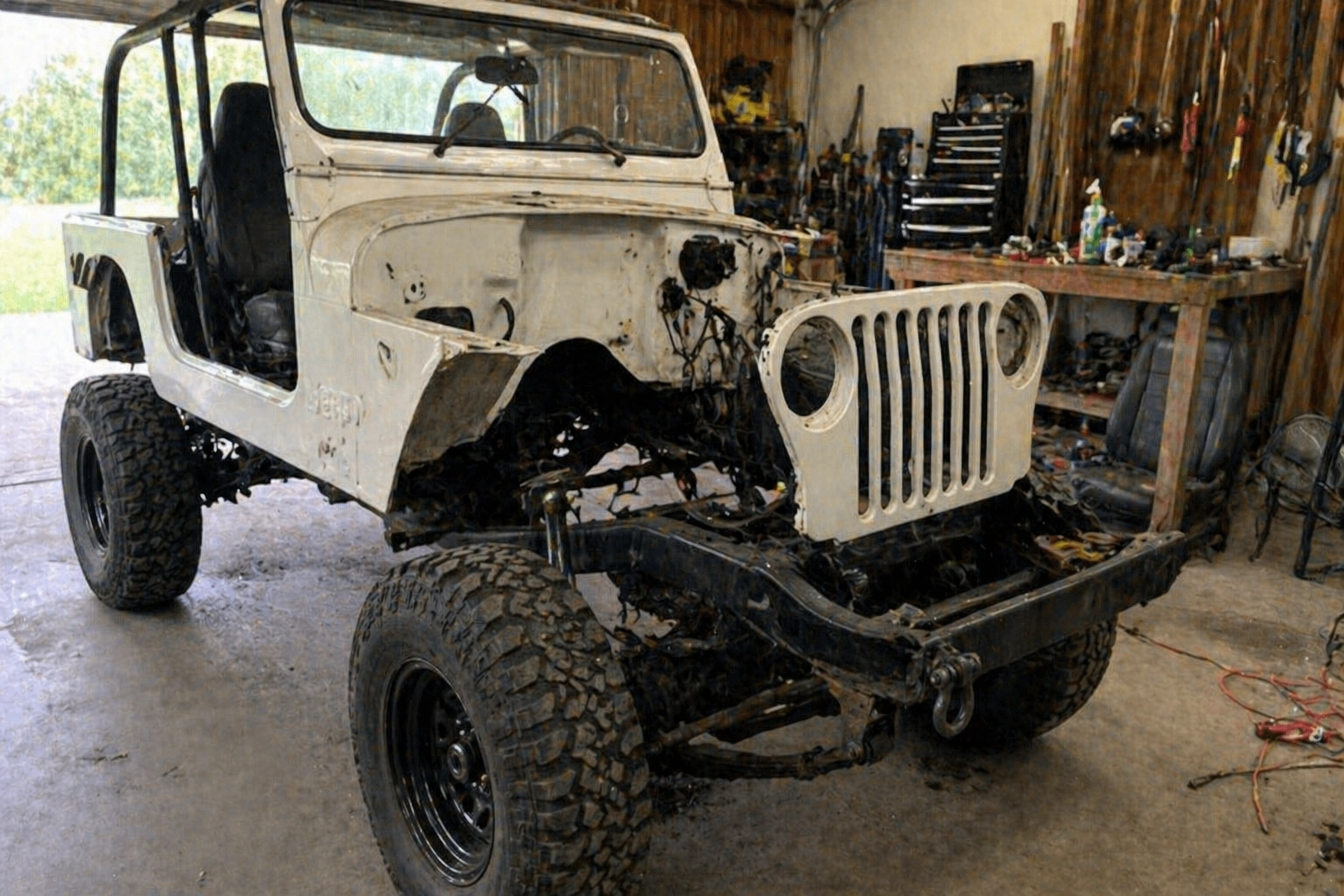
Projects in the automotive world often begin with small changes—new tires, a lift kit, maybe a few upgrades for better performance. Over time, those small steps can turn into something much bigger. What started as a simple modification quietly evolves into a full build, and before long, the vehicle barely resembles its original form. That moment when everything comes together can feel surprising, even overwhelming.
The idea of “accidentally” building a Jeep is not as strange as it sounds. Enthusiasts often dive into upgrades without realizing how far the process can go. Each improvement leads to another, creating a chain of decisions that transforms the vehicle completely. What matters most at this stage is knowing how to manage, refine, and maintain what has been built.
A well-thought-out approach can turn an unplanned project into a reliable and capable machine. With the right direction, even an unexpected build can deliver strong performance, durability, and long-term satisfaction.
What It Means To End Up With A Built Jeep
From Small Modifications To Full Transformation
The journey usually begins with basic upgrades that seem harmless at first. Installing larger tires or adding a suspension lift often feels like a minor improvement. However, these changes affect other components such as steering geometry, braking performance, and drivetrain stress. As a result, additional modifications become necessary to maintain balance and performance.
Over time, these changes add up. A stronger suspension leads to reinforced axles, upgraded shocks, and improved steering components. Engine tuning or intake upgrades may follow, along with protective accessories like skid plates and bumpers. Each addition builds on the last, gradually turning a stock vehicle into a highly modified one.
This transformation is not accidental in effort, but it can feel unexpected in scale. The vehicle evolves into something designed for specific conditions, such as off-road trails or rugged terrain. Recognizing this shift is important, as it changes how the vehicle should be maintained and used.
Why Jeep Builds Happen Naturally
Vehicles from Jeep are designed with customization in mind. Their modular structure makes it easy to swap parts, upgrade systems, and personalize features. This flexibility encourages owners to experiment and improve their vehicles over time.
The availability of aftermarket parts also plays a major role. From suspension kits to lighting upgrades, there are countless options available. Each upgrade opens the door to more possibilities, making it easy to continue modifying the vehicle.
Community influence adds another layer. Seeing other builds often inspires new ideas and encourages further changes. This shared enthusiasm creates a cycle where modifications become a natural part of ownership.
What begins as curiosity often turns into a full project. The process feels organic, even though it leads to a completely transformed vehicle.
Recognizing The Stage Of Your Build
Not all builds are the same, and identifying the current stage helps in planning the next steps. Some vehicles remain lightly modified, with only a few upgrades for comfort or style. Others reach an intermediate stage, where performance improvements become noticeable.
A fully built Jeep includes extensive modifications across multiple systems. Suspension, drivetrain, protection, and aesthetics all work together to create a specialized vehicle. At this level, the focus shifts from adding parts to refining performance and ensuring reliability.
Knowing where your build stands helps in making informed decisions. It prevents unnecessary upgrades and ensures that each modification serves a clear purpose. This approach keeps the vehicle balanced and functional.
Evaluating Your Jeep Build Properly
Checking Structural Integrity And Safety
Once the build reaches a significant level, safety becomes a top priority. Every modification should be inspected to ensure it meets proper standards. Suspension components, mounting points, and frame connections must be secure and aligned correctly.
Loose or poorly installed parts can lead to serious issues, especially under heavy use. Checking bolts, brackets, and welds ensures that everything is properly secured. Reinforcement may be necessary in areas that experience high stress.
Braking performance should also be evaluated. Larger tires and added weight can affect stopping distance. Upgrading brakes or ensuring they are in good condition helps maintain control.
A thorough inspection ensures that the vehicle is not only capable but also safe to operate in different conditions.
Balancing Performance And Reliability
A heavily modified vehicle often prioritizes performance, but reliability should never be overlooked. Each upgrade should work in harmony with the rest of the system. Imbalances can lead to excessive wear and reduced lifespan of components.
For example, increasing tire size without adjusting gearing can strain the engine and transmission. Similarly, adding power without upgrading cooling systems can lead to overheating. These factors must be considered to maintain long-term functionality.
Balancing performance and reliability involves careful planning. It requires selecting components that complement each other rather than conflict. This approach ensures that the vehicle performs well without compromising durability.
Consistency in performance makes the build more enjoyable and practical for regular use.
Understanding Legal And Practical Limits
Modifications can sometimes push a vehicle beyond legal limits for road use. Lift height, tire size, and lighting changes may be subject to local regulations. Ensuring compliance helps avoid fines and ensures safe operation on public roads.
Practical considerations also play a role. A highly modified Jeep may excel off-road but become less comfortable for daily use. Fuel efficiency, ride quality, and noise levels can change significantly.
Finding the right balance between capability and practicality ensures that the vehicle remains usable in different situations. It allows you to enjoy the benefits of the build without facing unnecessary challenges.
How To Improve And Refine Your Build
Fine Tuning Suspension And Handling
Suspension is one of the most critical aspects of any Jeep build. Fine-tuning it ensures that the vehicle handles well on both rough terrain and paved roads. Adjusting shock settings, alignment, and ride height can significantly improve performance.
Proper alignment is essential after installing lift kits or larger tires. It ensures even tire wear and stable handling. Incorrect alignment can lead to steering issues and reduced control.
Upgrading components such as sway bars and control arms can enhance stability. These improvements help maintain balance, especially during turns or uneven surfaces.
Fine-tuning suspension transforms the vehicle from a rough build into a well-rounded machine capable of handling various conditions.
Upgrading Supporting Components
As modifications increase, supporting components must also be upgraded. This includes brakes, cooling systems, and drivetrain parts. These upgrades ensure that the vehicle can handle the added stress of modifications.
Improved braking systems provide better control, especially with larger tires. Enhanced cooling systems prevent overheating during extended use. Strengthened drivetrain components handle increased torque and load.
Each supporting upgrade contributes to overall performance and reliability. Ignoring these areas can lead to premature wear and potential failures.
A comprehensive approach ensures that every part of the vehicle works together effectively.
Maintaining A Clean And Functional Setup
A well-organized build is easier to maintain and more reliable over time. Proper routing of wires, secure mounting of accessories, and clean installation of components reduce the risk of issues.
Cluttered setups can lead to loose connections and unnecessary complications. Keeping everything व्यवस्थित improves both functionality and appearance.
Regular cleaning and inspection help identify potential problems early. Dirt, mud, and debris can affect performance if not addressed.
A clean and functional setup reflects careful planning and attention to detail, ensuring long-term satisfaction with the build.
Living With A Fully Built Jeep
Daily Use Versus Off Road Capability
A fully built Jeep offers impressive capability, but it may not always be ideal for daily use. Larger tires and stiff suspension can affect comfort on regular roads. Noise levels and fuel consumption may also increase.
Balancing daily usability with off-road performance requires thoughtful adjustments. Choosing moderate upgrades instead of extreme ones can help maintain comfort while retaining capability.
Some owners choose to maintain a separate setup for different uses, while others adapt their build to suit both needs. The key is finding a balance that works for your lifestyle.
Adapting the vehicle to your routine ensures that it remains practical and enjoyable.
Maintenance Routine For Modified Vehicles
Modified vehicles require more attention compared to stock ones. Regular maintenance ensures that all components remain in good condition. Checking suspension parts, drivetrain components, and fluid levels should become a routine.
Frequent inspections help identify wear and tear early. Addressing small issues prevents them from turning into larger problems. This approach reduces long-term costs and ensures consistent performance.
Using high-quality parts and fluids further enhances reliability. Proper maintenance keeps the vehicle ready for both daily use and challenging conditions.
Consistency in care is essential for preserving the value and performance of a built Jeep.
Building Confidence Behind The Wheel
Driving a modified Jeep requires familiarity with its characteristics. Changes in handling, braking, and acceleration take time to adapt to. Spending time behind the wheel helps build confidence and control.
Practicing in safe environments allows you to understand how the vehicle responds to different conditions. This knowledge improves safety and ensures better performance.
Confidence comes from experience and proper preparation. Knowing how the vehicle behaves helps in making informed decisions during challenging situations.
A well-built Jeep combined with confident handling creates a reliable and capable driving experience.
Final Thoughts
Ending up with a fully built Jeep may feel surprising, but it often reflects a natural progression of upgrades and improvements. Each step contributes to a vehicle that is uniquely tailored to specific needs and preferences.
The key to managing such a build lies in evaluation, refinement, and maintenance. Ensuring safety, balancing performance, and staying within practical limits helps create a reliable and functional vehicle.