Every engine produces heat, and managing that heat is essential for keeping a vehicle running smoothly. Coolant plays a central role in this process, circulating through the engine to absorb and release heat while also protecting internal components.
Despite its importance, many drivers are unsure about which type of coolant their car actually requires. The variety of colors, formulas, and labels on store shelves can make the choice feel confusing.
Using the wrong coolant is not just a minor mistake. It can affect performance, reduce efficiency, and even lead to long-term damage inside the cooling system.
Each vehicle is designed with specific materials and requirements in mind, which means the coolant must match those needs. Taking the time to identify the correct type ensures proper temperature control, corrosion protection, and reliable operation over time.
Understanding What Coolant Does Inside Your Car
How Coolant Regulates Engine Temperature
Coolant is a specially formulated liquid that moves through the engine and radiator to control temperature. As the engine runs, it generates heat from combustion and friction. Without a system to manage this heat, internal components would quickly reach unsafe temperatures.
The coolant absorbs heat from the engine block and carries it to the radiator. There, airflow helps release the heat into the surrounding air. This continuous cycle keeps the engine within a stable temperature range, allowing it to operate efficiently.
In addition to heat control, coolant also prevents freezing in cold conditions. Its chemical composition lowers the freezing point, ensuring that the liquid continues to flow even in low temperatures. This dual function makes coolant essential for both hot and cold environments.
A balanced cooling system ensures that the engine does not overheat or run too cold. Maintaining this balance supports consistent performance and helps avoid unnecessary wear on internal parts.
Protection Beyond Temperature Control
Coolant does more than just manage heat. It also protects the engine and cooling system from corrosion and buildup. Inside the system, there are various metals such as aluminum, steel, and copper. Without proper protection, these materials can react with the coolant and form rust or deposits.
Modern coolant includes additives that prevent corrosion and keep internal surfaces clean. These additives form a protective layer that reduces the risk of damage over time. They also help maintain smooth flow within the system, ensuring that heat transfer remains efficient.
Another important function is lubrication. Coolant helps lubricate components such as the water pump, reducing friction and extending the life of these parts. This added benefit supports overall system reliability.
Using the correct coolant ensures that all these protective features work as intended. It helps maintain the condition of the engine and prevents issues that could lead to costly repairs.
Types Of Coolant And How They Differ
Common Coolant Categories Explained
Coolant comes in several types, each designed with specific formulations and additives. The most common categories include traditional green coolant, organic acid technology coolant, and hybrid formulations. Each type is developed to meet different requirements based on vehicle design and materials.
Traditional coolant, often green in color, has been used for many years. It contains additives that provide basic corrosion protection but may require more frequent replacement. This type is commonly found in older vehicles.
Organic acid technology coolant, often seen in colors like orange or red, is designed for longer service intervals. It uses different additives that provide extended protection and reduce the need for frequent changes. Many modern vehicles are designed to use this type.
Hybrid formulations combine elements of both traditional and organic acid technologies. These are often used in specific vehicle models that require a balance of protection and longevity. The exact formulation can vary depending on the manufacturer.
Understanding these categories helps in identifying which type is suitable for a particular vehicle. Each type is tailored to meet specific performance and maintenance needs.
Why Coolant Colors Can Be Misleading
Coolant color is often used as a quick reference, but it should not be the only factor in choosing the right type. While certain colors are commonly associated with specific formulations, there is no universal standard that guarantees consistency across brands.
For example, two coolants with the same color may have different chemical compositions. Mixing incompatible types can lead to reduced effectiveness or even damage to the cooling system. This is why relying solely on color can be misleading.
Manufacturers may use different colors to distinguish their products, but the actual formulation is what matters. Reading the label and checking compatibility with the vehicle’s requirements is far more reliable than judging by appearance.
Choosing coolant based on specifications rather than color ensures that the system receives the correct protection. It also helps avoid issues caused by mixing incompatible fluids.
How To Find The Right Coolant For Your Car
Checking Manufacturer Recommendations
The most reliable way to determine the correct coolant is by referring to the vehicle’s manual. Manufacturers provide specific guidelines based on the design of the engine and cooling system. These recommendations take into account factors such as material compatibility and performance requirements.
The manual usually lists the type of coolant required, along with any specifications that must be met. It may also include details about the mixture ratio and maintenance intervals. Following these guidelines ensures that the cooling system operates as intended.
If the manual is not available, manufacturer websites or authorized service centers can provide accurate information. These sources offer details tailored to the specific make and model of the vehicle.
Using the recommended coolant helps maintain warranty coverage and prevents potential issues. It ensures that the engine receives the protection it was designed for.
Matching Coolant To Engine And Climate Needs
Different engines have unique requirements based on their design and materials. Some engines use aluminum components, while others may include a mix of metals. The coolant must be compatible with these materials to prevent corrosion and ensure efficient heat transfer.
Climate also plays a role in selecting the right coolant. In colder regions, a higher concentration of antifreeze may be needed to prevent freezing. In warmer climates, maintaining proper heat dissipation becomes more important.
The standard mixture is often a 50/50 blend of coolant and water, but this can vary depending on conditions. Using distilled water is recommended to avoid introducing impurities into the system.
Matching the coolant to both engine requirements and environmental conditions ensures optimal performance. It helps maintain stability across different driving situations and weather conditions.
Signs You May Be Using The Wrong Coolant
Performance Issues And Warning Signs
Using the wrong coolant can lead to noticeable changes in how the vehicle operates. One of the most common signs is overheating. If the coolant does not effectively manage heat, the engine may run hotter than normal.
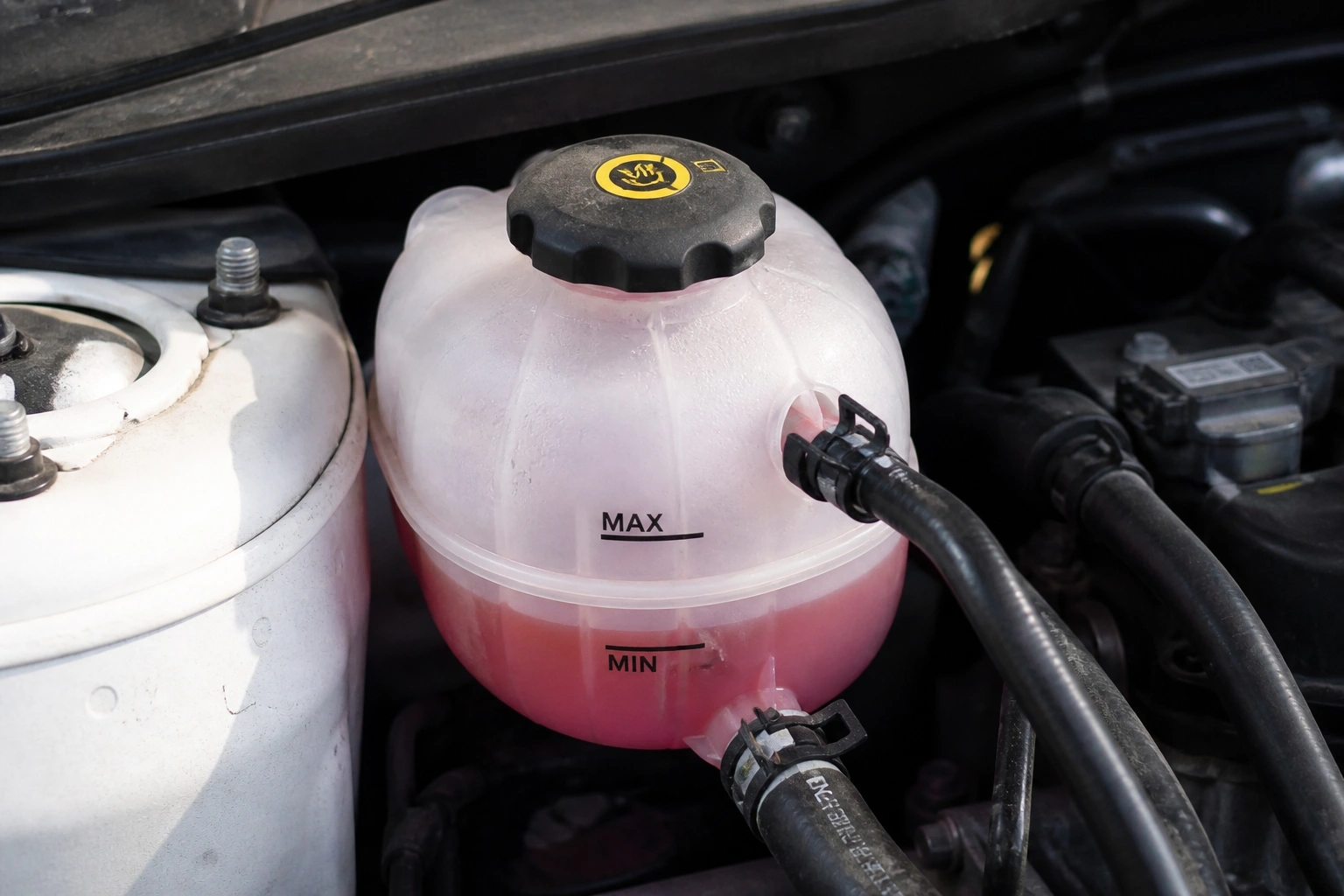
Another indicator is the presence of unusual deposits or discoloration in the coolant reservoir. This can suggest a chemical reaction between incompatible fluids or a breakdown of additives. These changes can affect the efficiency of the cooling system.
Reduced heater performance is another sign. If the coolant is not circulating properly, it can impact the heating system inside the vehicle. This may result in inconsistent or weak airflow.
Paying attention to these signs helps identify issues early. Addressing them promptly prevents further complications and ensures that the cooling system remains effective.
Long Term Effects On The Cooling System
Over time, using the wrong coolant can cause damage to various components. Corrosion may develop inside the radiator, water pump, and engine passages. This can lead to leaks, reduced efficiency, and costly repairs.
Incompatible coolant mixtures can also form sludge or deposits. These blockages restrict flow and reduce the system’s ability to transfer heat. As a result, the engine may experience uneven temperature distribution.
Seal and gasket damage is another potential issue. Certain coolant formulations may not be compatible with specific materials, leading to deterioration over time. This can cause leaks and further complications.
Maintaining the correct coolant type helps prevent these long-term problems. It ensures that all components remain in good condition and function as intended.
Bottom Line
Selecting the correct coolant is essential for maintaining engine health and overall performance. Each vehicle is designed with specific requirements, and matching those requirements ensures proper temperature control and protection.
Relying on manufacturer recommendations, rather than assumptions based on color or convenience, provides the most reliable results. It helps avoid compatibility issues and supports long-term reliability.
Regular checks and proper maintenance keep the cooling system functioning efficiently. With the right coolant in place, the engine remains protected against heat, corrosion, and wear, allowing it to perform consistently over time.