Engines are built to handle heat, but only within a controlled range. When that balance is disturbed, even a well-maintained vehicle can start showing warning signs. One of the most noticeable situations is when a car runs fine while moving but begins to heat up when sitting still. This pattern often points to an issue within the cooling system rather than a general engine fault.
At idle, the engine continues to produce heat, yet airflow and cooling efficiency drop compared to when the vehicle is in motion. This makes the system rely more heavily on components like fans, coolant flow, and proper circulation. When any of these elements fail to perform as expected, temperature can rise quickly. Identifying the reason behind this behavior helps prevent serious damage and keeps the engine operating within a safe range.
Why Cars Overheat Specifically At Idle
Reduced Airflow And Heat Build Up
When a vehicle is moving, air flows naturally through the front grille and across the radiator. This airflow helps remove heat from the coolant, allowing the engine to maintain a stable temperature. At idle, this natural airflow disappears, and the system must rely on other methods to manage heat.
Without sufficient airflow, the radiator cannot release heat as effectively. The coolant continues to circulate, but the lack of cooling causes temperatures to rise gradually. This is why overheating at idle often appears after a few minutes of standing still rather than immediately.
Environmental factors can make this worse. Hot weather, heavy traffic, or enclosed spaces like parking areas reduce the effectiveness of heat dissipation. In such conditions, even a minor issue in the cooling system can lead to noticeable temperature increases.
The engine itself does not stop generating heat when idling. It continues to run, and without proper cooling support, that heat accumulates. This makes idle conditions more demanding on certain components, especially those responsible for airflow and circulation.
Increased Dependence On Cooling Components
At idle, the cooling system depends heavily on specific parts to maintain temperature. The radiator fan becomes the primary source of airflow, replacing the natural air movement that occurs during driving. If this fan fails or operates inefficiently, heat begins to build up quickly.
The water pump also plays a critical role. It ensures that coolant moves continuously through the engine and radiator. Any reduction in its performance can slow down circulation, making it harder to transfer heat away from the engine.
Thermostats regulate coolant flow based on temperature. If the thermostat does not open properly, it restricts coolant movement, leading to overheating. This issue may not be as noticeable while driving but becomes more evident when the car is stationary.
Each of these components works together to manage heat at idle. When one part fails, the entire system struggles to compensate, resulting in rising temperatures and potential engine stress.
Common Causes Of Overheating While Idling
Radiator Fan Failure Or Weak Performance
The radiator fan is one of the most important components for cooling at idle. It pulls air through the radiator, helping remove heat from the coolant. When this fan stops working or runs at reduced speed, the cooling process becomes less effective.
Fan issues can result from electrical faults, worn motors, or damaged blades. In some cases, the fan may not turn on at all, while in others it may operate intermittently. Both situations can lead to overheating when the vehicle is not moving.
A simple way to identify this problem is by observing whether the fan activates when the engine temperature rises. If it remains still or runs weakly, it is likely the cause of the issue. Addressing fan problems early helps restore proper airflow and prevents further complications.
Regular inspection of the fan and its connections ensures that it remains in good working condition. This small component plays a major role in maintaining stable temperatures during idle conditions.
Low Coolant Level Or Poor Circulation
Coolant is essential for absorbing and transferring heat away from the engine. When levels are low, the system cannot function effectively. This leads to uneven cooling and increased temperature, especially when the car is stationary.
Leaks, evaporation, or neglect can cause coolant levels to drop over time. Even a small reduction can impact performance, as the system relies on a specific volume to maintain proper flow. Checking and maintaining the correct level is a basic but important step.
Circulation issues can also contribute to overheating. A failing water pump or blocked passages can prevent coolant from moving efficiently. This reduces the system’s ability to carry heat away from the engine.
Ensuring that coolant is both at the right level and circulating properly helps maintain consistent cooling. It supports the overall performance of the system and reduces the risk of overheating at idle.
Thermostat Malfunction And Blockages
The thermostat controls when coolant flows through the radiator. It opens when the engine reaches a certain temperature, allowing heat to be released. If it becomes stuck or fails to operate correctly, coolant flow is restricted.
A stuck thermostat can trap heat inside the engine, causing temperatures to rise quickly. This issue is often more noticeable at idle, where the system relies heavily on proper circulation. Replacing a faulty thermostat is usually a straightforward solution.
Blockages within the cooling system can also cause similar problems. Dirt, rust, or debris can accumulate over time, reducing flow and efficiency. These blockages prevent coolant from moving freely, leading to uneven cooling.
Regular maintenance, including flushing the system, helps prevent buildup and ensures that all components function as intended. Keeping the system clean supports consistent temperature control.
How To Diagnose The Problem Step By Step
Observing Temperature Patterns And Warning Signs
The first step in diagnosing overheating is paying attention to how and when it occurs. If the temperature rises only when the car is idling but drops once it starts moving, the issue is likely related to airflow or fan operation.
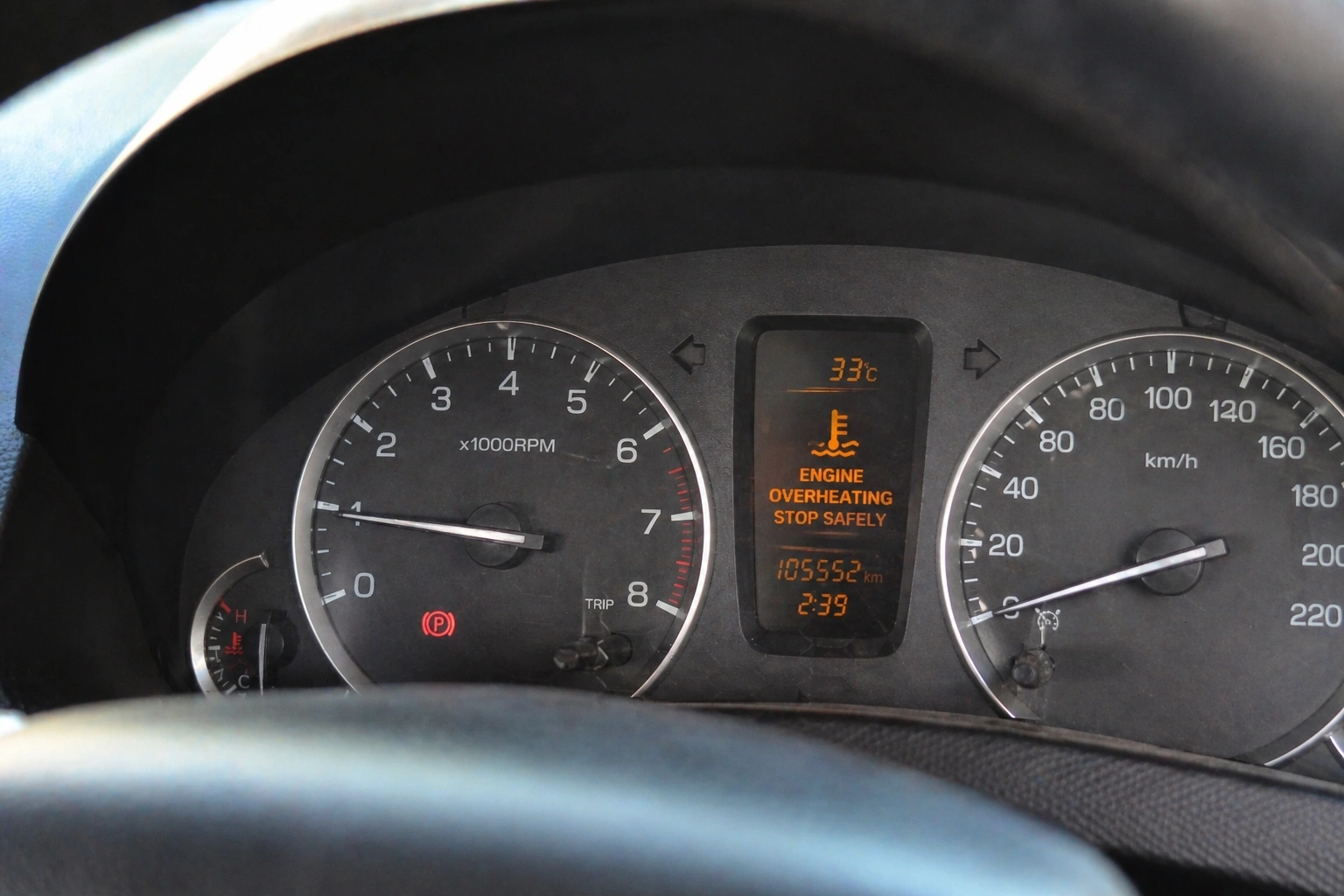
Dashboard indicators and warning lights provide valuable information. A rising temperature gauge or warning signal should never be ignored. These signs indicate that the engine is operating at its safe range.
Listening for unusual sounds can also help. A failing fan may produce noise or fail to activate altogether. Similarly, irregular engine behavior can point to circulation issues.
Keeping track of these patterns helps narrow down the possible causes. It provides a clearer picture of what needs to be checked and addressed.
Checking Key Components Safely
Before inspecting any components, it is important to ensure that the engine has cooled down. Working on a hot engine can be dangerous and lead to burns or other injuries. Allowing sufficient cooling time makes the process safer.
Start by checking the coolant level. Ensure that it is within the recommended range and that there are no visible leaks. Inspecting hoses and connections can reveal signs of wear or damage.
Next, observe the radiator fan. Turn on the engine and monitor whether the fan activates as the temperature rises. If it does not, further inspection of electrical connections or the fan motor may be needed.
Examining the thermostat and water pump may require professional tools or expertise. If basic checks do not reveal the issue, seeking professional assistance ensures accurate diagnosis and repair.
Solutions And Preventive Measures
Fixing The Root Cause Effectively
Once the cause of overheating is identified, addressing it promptly is essential. Replacing a faulty radiator fan restores airflow and improves cooling at idle. Ensuring that electrical connections are secure also supports proper operation.
Refilling or replacing coolant helps maintain the system’s efficiency. Using the correct type of coolant ensures compatibility and optimal performance. If leaks are present, repairing them prevents further loss and maintains pressure within the system.
Thermostat replacement is often necessary when it fails to regulate flow. This simple fix can have a significant impact on temperature control. Cleaning or flushing the system removes blockages and restores proper circulation.
Taking these steps ensures that the cooling system functions as intended. It prevents recurring issues and supports long-term reliability.
Preventing Overheating In Daily Use
Preventive care plays a major role in avoiding overheating problems. Regularly checking coolant levels and inspecting components helps identify issues early. Small problems can be addressed before they lead to larger complications.
Keeping the radiator clean ensures that airflow is not restricted. Dirt and debris can reduce efficiency, especially in environments with heavy dust or pollution. Cleaning the radiator surface improves heat dissipation.
Monitoring temperature during driving provides early warning of potential issues. If the gauge begins to rise unexpectedly, taking action immediately can prevent damage. Turning off the engine and allowing it to cool is often the safest response.
Consistent maintenance and attention to detail help keep the cooling system in good condition. This reduces the likelihood of overheating and ensures smooth operation under مختلف conditions.
Bottom Line
Overheating while idling is often a sign that the cooling system is not performing as it should under low airflow conditions. Identifying the cause requires attention to patterns, components, and overall system behavior. Each part plays a role, and even a small fault can disrupt the balance.
Addressing issues early prevents damage and maintains engine health. Regular maintenance, proper coolant levels, and functional components ensure that the system can handle both moving and stationary conditions.
A well-maintained vehicle remains stable across different situations. Keeping the cooling system in good shape ensures reliable performance and reduces the risk of unexpected مشاكل on the road.