Every modern engine depends on a precise balance of fuel and air to run smoothly. Too much fuel can flood the system, while too little can leave the engine struggling to perform.
Maintaining this balance is not just about efficiency, it directly affects how the vehicle starts, accelerates, and responds on the road. One of the key components responsible for keeping this balance stable is the fuel pressure regulator.
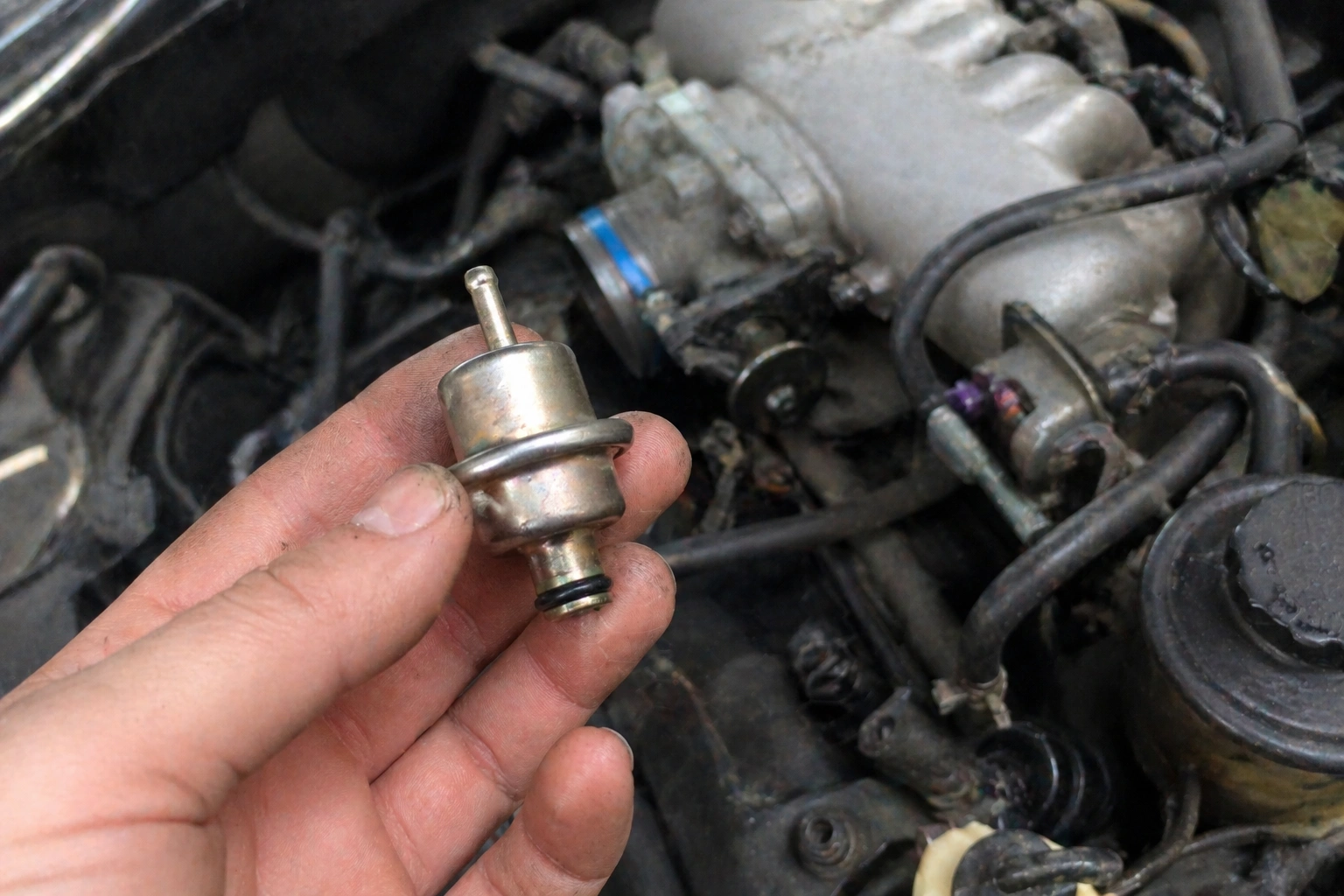
This small yet critical part manages how much fuel reaches the engine by controlling pressure within the fuel system. When it works correctly, the engine receives a steady and consistent supply.
When it begins to fail, that balance is disturbed, and the effects become noticeable in several ways. Recognizing early signs can prevent larger issues and help keep the vehicle running reliably without unnecessary complications.
What A Fuel Pressure Regulator Does In A Car
How It Controls Fuel Flow And Pressure
The fuel pressure regulator is designed to maintain a consistent level of pressure within the fuel system. It ensures that the right amount of fuel is delivered to the engine based on its needs. This balance allows the engine to operate efficiently across different speeds and loads.
Fuel is pumped from the tank toward the engine under pressure. The regulator adjusts this pressure by allowing excess fuel to return to the tank when needed. This keeps the system stable and prevents fluctuations that could affect performance. Without this control, the engine would either receive too much fuel or not enough, both of which lead to problems.
The regulator responds to changes in engine demand. When more power is required, it adjusts pressure to supply additional fuel. When demand decreases, it reduces pressure to avoid waste. This constant adjustment ensures that the engine runs smoothly under varying conditions.
A properly functioning regulator keeps fuel delivery consistent. This stability supports efficient combustion and helps maintain overall engine health.
Why Proper Fuel Pressure Matters For Engine Performance
Fuel pressure plays a direct role in how well an engine performs. When pressure is correct, fuel mixes properly with air, allowing combustion to occur efficiently. This results in smooth operation, steady acceleration, and balanced fuel usage.
If pressure becomes too high, the engine may receive more fuel than it can handle. This can lead to incomplete combustion, increased emissions, and reduced efficiency. On the other hand, low pressure means the engine does not get enough fuel, causing hesitation, loss of power, and difficulty starting.
The regulator ensures that pressure remains within the correct range at all times. It acts as a control point that keeps the system balanced regardless of driving conditions. This consistency is essential for maintaining performance and avoiding unnecessary strain on engine components.
When fuel pressure is stable, the engine operates as intended. It delivers reliable power and maintains efficiency without sudden changes in behavior.
Common Symptoms Of A Failing Fuel Pressure Regulator
Engine Performance Issues And Power Loss
One of the most noticeable signs of a failing regulator is a change in engine performance. The vehicle may feel sluggish, especially during acceleration. This happens because the engine is not receiving the correct amount of fuel.
In some cases, the engine may hesitate or struggle when more power is needed. This can make driving feel uneven and unpredictable. The lack of consistent fuel delivery affects how the engine responds to input, leading to reduced performance.
Power loss may also be accompanied by rough operation. The engine might not run as smoothly as it normally does, and vibrations can become more noticeable. These changes often indicate that the fuel system is not maintaining proper pressure.
Addressing these symptoms early helps prevent further complications. Restoring proper fuel pressure allows the engine to regain its normal performance and stability.
Difficulty Starting And Rough Idling
Starting problems are another common symptom linked to fuel pressure issues. When the regulator fails, the engine may not receive enough fuel during startup. This can result in longer cranking times or failure to start altogether.
Even after the engine starts, it may not run smoothly. Rough idling is often a sign that fuel delivery is inconsistent. The engine may shake or fluctuate in speed while idling, indicating that the balance of fuel and air is off.
These issues can become more noticeable over time. What starts as a minor delay in starting can develop into more frequent problems. Ignoring these signs can lead to situations where the vehicle becomes unreliable.
Ensuring that the fuel system maintains proper pressure helps restore smooth starting and stable idling. It allows the engine to operate consistently without interruptions.
Increased Fuel Consumption And Black Smoke
A faulty regulator can also lead to increased fuel consumption. When pressure is too high, the engine receives more fuel than necessary. This excess fuel is not fully burned, leading to waste and reduced efficiency.
One visible sign of this issue is black smoke from the exhaust. This smoke indicates that fuel is not being burned completely. It is a clear sign that the fuel-air mixture is too rich.
Higher fuel consumption not only affects efficiency but also increases operating costs. It can also contribute to carbon buildup within the engine, which may cause additional problems over time.
Maintaining proper fuel pressure ensures that the engine uses fuel efficiently. It reduces waste and supports cleaner operation.
Causes Behind Fuel Pressure Regulator Failure
Wear And Tear Over Time
Like many components in a vehicle, the fuel pressure regulator is subject to wear over time. Continuous exposure to fuel, heat, and pressure can gradually affect its performance. Internal parts may lose their ability to respond accurately, leading to inconsistent pressure control.
Seals and diaphragms inside the regulator can degrade with age. When these parts wear out, they may fail to maintain proper pressure levels. This results in fluctuations that affect engine operation.
Regular use naturally contributes to this wear. Over time, even a well-maintained regulator may begin to show signs of decline. Recognizing these changes early helps in planning timely replacement.
Replacing worn components restores proper function and prevents further issues. It ensures that the fuel system continues to operate efficiently.
Contamination And Fuel System Issues
Contamination within the fuel system is another common cause of regulator failure. Dirt, debris, or impurities in the fuel can affect how the regulator operates. These contaminants may block passages or interfere with internal mechanisms.
Poor fuel quality can accelerate this problem. Impurities can accumulate over time, reducing the effectiveness of the regulator. This can lead to inconsistent pressure and related performance issues.
Other fuel system components, such as filters, also play a role. A clogged filter can restrict flow, placing additional strain on the regulator. This added stress can contribute to premature failure.
Keeping the fuel system clean and well-maintained helps prevent contamination-related issues. It supports consistent performance and extends the life of the regulator.
How To Diagnose And Fix The Problem
Identifying Symptoms Through Inspection
Diagnosing a faulty regulator begins with observing the symptoms. Changes in performance, starting issues, and unusual exhaust behavior provide valuable clues. Paying attention to these signs helps narrow down the possible causes.
Visual inspection can reveal additional information. Checking for fuel leaks or damaged components around the regulator can indicate problems. These signs often point to issues that need immediate attention.
Testing fuel pressure is another effective method. Using the right tools, it is possible to measure whether pressure levels are within the expected range. This helps confirm whether the regulator is functioning correctly.
Accurate diagnosis ensures that the right solution is applied. It prevents unnecessary repairs and focuses attention on the actual issue.
Repair And Replacement Solutions
Once a faulty regulator is identified, addressing it promptly is important. In most cases, replacement is the most effective solution. Installing a new regulator restores proper pressure control and resolves related symptoms.
During replacement, it is important to ensure that all connections are secure and that the system is free from contamination. This helps prevent recurring issues and supports long-term reliability.
In some cases, cleaning or repairing related components may also be necessary. Ensuring that the entire fuel system is in good condition improves overall performance.
Taking a thorough approach to repair ensures that the problem is fully resolved. It allows the engine to return to normal operation without lingering issues.
Conclusion
The fuel pressure regulator plays a vital role in maintaining engine balance and efficiency. When it begins to fail, the effects can be seen in performance, fuel usage, and overall operation. Recognizing these signs early helps prevent more serious problems.
A well-functioning regulator ensures that the engine receives the right amount of fuel at all times. This stability supports smooth operation and reliable performance. Addressing issues promptly keeps the fuel system in good condition.
Regular maintenance and attention to warning signs help extend the life of the regulator and the entire fuel system. Keeping these components in proper working order ensures that the vehicle remains dependable and efficient over time.